



All Molecular Biology articles – Page 18
-
News
New mouse model mimics rare GRIN2D disorder
Researchers at Tel Aviv University have developed a new mouse model that accurately mimics a rare and severe genetic disorder caused by mutations in the GRIN2D gene – allowing for study of the disease’s progression and the testing of potential drug therapies.
-
 News
NewsLINC01235 identified as driver of aggressive breast cancer
Researchers at Cold Spring Harbor Laboratory have demonstrated that an obscure RNA molecule, LINC01235, plays a crucial role in the progression of aggressive triple-negative breast cancer (TNBC) – potentially allowing for the development of targeted therapies against it.
-
 News
NewsQTX153 reverses Rett symptoms and crosses key drug delivery barrier
QTX153, a novel HDAC6 inhibitor, has shown significant symptom reversal in preclinical models of Rett syndrome. This represents progress toward a therapy for a condition with no approved options.
-
 Article
How dual-targeting ADCs aim to tackle resistance
Find out how dual-target ADCs and tumour-specific Treg depletion are shaping the next wave of targeted cancer therapies.
-
 News
NewsNew data backs Myo4 for obesity treatment
MitoRx Therapeutics has announced new preclinical data for its small molecule Myo4, showing restored insulin sensitivity and enhanced fat loss with muscle preservation in an obesity model - offering a potential alternative to GLP-1-based therapies.
-
News
FGF19 hormone could be the key to new obesity treatments
A hormone produced in the gut, FGF19, has been shown to act directly on the brain to boost energy expenditure, burn fat and improve blood sugar control in obese mice - offering a potential route for developing new obesity therapies.
-
 News
NewsLiver organoids grow functional blood vessels in lab breakthrough
Scientists have successfully grown liver organoids with fully functional blood vessels- potentially allowing for the development of new treatments for haemophilia and liver disease.
-
 News
NewsSOD1 protein found to trigger treatable Parkinson’s progression
Scientists at the University of Sydney have discovered a malfunctioning brain protein linked to Parkinson’s - which could lead to new therapies for the debilitating condition in the future.
-
 News
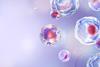
NewsMeet the hemifusome: a new organelle with big impact
Scientists have discovered a previously unknown organelle inside human cells - the hemifusome - that could change our understanding of rare genetic disorders.
-
 News
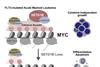
NewsDisabling the SETD1B enzyme halts leukaemia cell growth
Japanese researchers have identified the epigenetic enzyme SETD1B as a key driver of aggressive acute myeloid leukaemia (AML) – which could lead to new treatment strategies targeting the cancer’s underlying biology in the future.
-
News
How bowel cancer beats treatment - and how AI can stop it
Scientists have developed a new AI-guided tool that predicts how bowel cancer becomes resistant to treatment – which could lead to development of new personalised therapies.
-
 News
NewsProtein folding milestone achieved with quantum tech
Kipu Quantum and IonQ have set a new benchmark in quantum computing by solving the most complex protein folding problem ever tackled on quantum hardware – creating potential for real-world applications in drug discovery.
-
News
Key to potential new Alzheimer’s drugs found in sugar enzyme
A new study reveals that blocking the enzyme ST6Gal-I reduces toxic plaque buildup in Alzheimer’s disease by suppressing BACE1 expression - highlighting a new target for future treatment strategies.
-
 News
NewsBird flu is changing - AI might help us keep up
Researchers at the University of North Carolina at Charlotte have used artificial intelligence to look at how the H5N1 bird flu virus is evolving to evade the immune system - insights that could make way for development of effective future therapies.
-
 Article
The biotech mapping thousands of hidden therapeutic clues
Think drug discovery is slow? This biotech is moving faster, smarter and deeper – by asking the question that no one else has.
-
 News
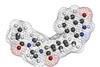
NewsWhy PARP inhibitors fail: key role of the CST complex in BRCA1-deficient cancers
Researchers from UT Health San Antonio have identified the CST protein complex as a key driver of resistance to PARP inhibitors in BRCA1-deficient cancers – which could lead to more personalised treatments for breast, ovarian and prostate cancer patients.
-
News
$250K grant fuels development of new type 1 diabetes therapy
Researchers at Washington University in St. Louis have received a $250,000 grant from the Critical Path Institute’s Translational Therapeutics Accelerator (TRxA) to develop a novel CD22 bidentate therapeutic for type 1 diabetes to support formulation and new preclinical studies.
-
News
New discovery shows how viral vectors release genes in therapy
Researchers at The University of Osaka have found how structural changes in the VP1 protein of AAV vectors trigger genome release - offering insights for improving the safety, efficiency and stability of gene therapy delivery systems.
-
 News
News‘Delete-to-recruit’: new gene-editing method targets sickle cell
Researchers have developed a novel gene therapy approach that reactivates dormant genes by repositioning them closer to genetic switches called enhancers - showing promise for treating blood disorders like sickle cell disease.
-
 News
NewsExperimental drug targets gene driving severe seizures in children
Researchers at the Fralin Biomedical Research Institute are developing a targeted KCNT1 inhibitor that has shown early promise in reducing seizures in preclinical models.