



All Molecular Biology articles – Page 19
-
 News
NewsScientists grow 3D brain that mimics the real thing
Researchers at POSTECH have developed a new 3D brain model that closely mimics the structure and function of human brain tissue – marking a major advance in early disease detection.
-
 News
NewsTurning AI into a biological design engine
DenovAI has unveiled a powerful AI-driven protein design platform capable of creating new, functional synthetic proteins from scratch - marking a big step forward for drug discovery.
-
 News
NewsNew nanoparticle enhances cancer drug penetration
Researchers at Southern Medical University have developed a self-propelled ferroptosis nanoinducer that penetrates deeper into tumour tissues - offering a new strategy for safer and more effective cancer treatment.
-
News
New polymer boosts mRNA vaccine safety
A new material developed at Cornell University offers a more effective way to deliver mRNA vaccines by replacing polyethylene glycol (PEG) with a water-loving polymer poly(carboxybetaine) (PCB).
-
News
Scientists discover enzymes that redefine glycan pathways
Researchers at Tokyo University of Science have identified three new enzyme families that degrade the complex bacterial carbohydrate β-1,2-glucan – offering new opportunities for enzyme engineering.
-
 News
NewsNew therapy for incurable brain disease heads to clinical trials
SynaptixBio has selected its lead drug candidate, SB H-19642, for clinical trials to treat H-ABC - a rare, fatal neurodegenerative disease with no current cure.
-
 News
NewsDual-action therapy clears MDR bacteria in preclinical models
Centauri Therapeutics has published data showing that CTX-09’s ability effectively clears drug-resistant Gram-negative bacteria through a novel dual mechanism, marking a promising development for new infection therapies.
-
 News
News3D model reveals hidden drivers of smell regeneration
Scientists have developed a simple- 3D mouse tissue model to study how the nose regenerates smell-sensing neurons. The goal is to create an organoid system that can be used to screen potential therapies for smell loss.
-
 News
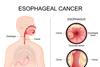
NewsOrganoids take on ESCC’s toughest tumours
A new study at Science Tokyo has developed patient-derived organoids to better understand and combat resistance in oesophageal squamous cell carcinoma (ESCC).
-
 Article
The next phase of the multiomics evolution, powered by AI
Genomics laid the foundation for precision medicine, but on its own, it offers only part of the picture. This article explores how integrated multiomics can provide the deeper biological context needed to drive more effective therapies forwards.
-
 News
NewsReelin identified as key marker of cocaine-activated brain cells
Researchers at the University of Alabama have identified reelin, a glycoprotein known for its role in brain development, as a key regulator of neurons in the brain's reward centre, potentially making way for targeted therapies against cocaine use.
-
News
Stanford grows vascularised mini-organs
Stanford scientists have successfully grown heart and liver organoids that include functioning blood vessels. This breakthrough overcomes a major size and maturity barrier, which could advance disease modelling and regenerative therapies in the future.
-
 News
NewsSB000: a safer path to anti-aging therapies
Shift Bioscience has announced new aging research, highlighting the discovery of SB000. This novel single-gene target reverses cellular aging without activating dangerous pluripotency pathways.
-
 News
NewsEngineered DNA aptamers outsmart viral infection pathways
EPFL scientists have engineered virus-inspired DNA aptamers that bind infection targets with record selectivity. This innovation could change how we diagnose and treat infectious diseases.
-
 News
NewsHow one carbon atom is changing drug development
Researchers at the University of Oklahoma have found a way to improve drugs by adding just one carbon atom. This simple change could speed up drug discovery and lower costs.
-
 News
NewsInside the immune ‘handbook’ set to disrupt fibrosis research
Nearly a billion people are affected by chronic organ scarring, yet treatments remain limited. Now, Duke-NUS researchers have compiled a scientific ‘handbook’ of immune cell insights that could fast-track breakthroughs in fibrosis therapy.
-
 Article
New tRNA tech aims to rewrite rare disease treatment
Alltrna is redefining the future of rare disease treatment with engineered tRNA therapeutics that target genetic mutations - not just individual diseases. CEO Michelle Werner shares how this bold, mutation-driven approach could unlock universal treatments for thousands of patients long overlooked by traditional medicine.
-
 News
NewsBCG alters bone marrow to strengthen anti-cancer response
A new study reveals that BCG, a decades-old bladder cancer treatment, reprograms the immune system at the bone marrow level, offering a new perspective into how this immunotherapy boosts the body’s defence against cancer.
-
 News
NewsStudy identifies safer target for dopamine-linked disorders
A rare genetic glitch causes dopamine to leak in the brain - now researchers may have found a way to stop it, without the risks of current treatments.
-
 News
NewsScientists create advanced 3D liver model mimicking real tissue
Scientists have developed a 3D liver model, known as the periportal assembloid. This model replicates the liver’s complex structure and bile transport system, enabling more precise study of disease progression.