



All Neurological disorders articles – Page 11
-
 News
NewsNew standards for brain organoids aim to boost drug discovery
A new international framework introduces rigorous validity standards for the use of brain organoids and iPSC-derived models in studying neuropsychiatric disorders. These guidelines aim to accelerate drug discovery and bring precision treatments closer to reality.
-
 News
NewsNew drug GAI-17 reduces stroke-induced brain cell death
A new stroke treatment, GAI-17, developed by researchers in Japan, has shown encouraging results in reducing brain cell death and paralysis in animal models – potentially allowing for future development of treatments for other brain disorders.
-
 Article
The future of CNS drug development: signs of real progress
New therapeutic approaches are emerging for CNS disorders – but can they overcome the toughest barriers in drug development? Find out what is driving progress and what still stands in the way.
-
 News
NewsMicroglia replacement halts ALSP progression in landmark trials
Scientists from Fudan University have halted the progression of ALSP, a rare and fatal brain disease, using a pioneering microglia replacement therapy - marking the first effective clinical approach to tackling the disease.
-
 News
NewsMicroglia discovery offers clues to Alzheimer’s progression
Immune cells in the brain called microglia may hold the key to improving blood flow and tackling diseases like Alzheimer’s, new research from the University of Virginia suggests.
-
News
Gene therapy boosts CAR-T power against glioblastoma
Researchers at SR-TIGET in Milan have developed a novel gene therapy approach that supercharges CAR-T cell therapy against glioblastoma – strengthening treatment against one of the world’s deadliest brain cancers.
-
 Article
What single cells are revealing about brain disorders
Single-cell and spatial technologies are giving researchers an unprecedented view of how brain diseases like Alzheimer’s really work. The result? Faster discovery, clearer targets and a new path towards more effective treatments.
-
 News
NewsSlowing intracellular transport boosts potential for RNA therapies
Researchers at the University of Basel and Roche have discovered that slowing the intracellular transport of RNA-based drugs significantly improves their therapeutic impact.
-
 News
NewsNew mouse model mimics rare GRIN2D disorder
Researchers at Tel Aviv University have developed a new mouse model that accurately mimics a rare and severe genetic disorder caused by mutations in the GRIN2D gene – allowing for study of the disease’s progression and the testing of potential drug therapies.
-
 News
NewsQTX153 reverses Rett symptoms and crosses key drug delivery barrier
QTX153, a novel HDAC6 inhibitor, has shown significant symptom reversal in preclinical models of Rett syndrome. This represents progress toward a therapy for a condition with no approved options.
-
News
FGF19 hormone could be the key to new obesity treatments
A hormone produced in the gut, FGF19, has been shown to act directly on the brain to boost energy expenditure, burn fat and improve blood sugar control in obese mice - offering a potential route for developing new obesity therapies.
-
 News
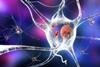
NewsSOD1 protein found to trigger treatable Parkinson’s progression
Scientists at the University of Sydney have discovered a malfunctioning brain protein linked to Parkinson’s - which could lead to new therapies for the debilitating condition in the future.
-
News
Key to potential new Alzheimer’s drugs found in sugar enzyme
A new study reveals that blocking the enzyme ST6Gal-I reduces toxic plaque buildup in Alzheimer’s disease by suppressing BACE1 expression - highlighting a new target for future treatment strategies.
-
 Article
Inside AACR: DARPins take aim at hard-to-treat tumours
Amelie Croset of Molecular Partners breaks down the DARPin developments featured at AACR 2025 – from targeted radiopharmaceuticals to precision-engineered immune cell engagers.
-
 News
NewsExperimental drug targets gene driving severe seizures in children
Researchers at the Fralin Biomedical Research Institute are developing a targeted KCNT1 inhibitor that has shown early promise in reducing seizures in preclinical models.
-
 News
NewsNew therapy for incurable brain disease heads to clinical trials
SynaptixBio has selected its lead drug candidate, SB H-19642, for clinical trials to treat H-ABC - a rare, fatal neurodegenerative disease with no current cure.
-
 Article
The next phase of the multiomics evolution, powered by AI
Genomics laid the foundation for precision medicine, but on its own, it offers only part of the picture. This article explores how integrated multiomics can provide the deeper biological context needed to drive more effective therapies forwards.
-
 Article
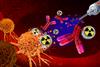
Why radiopharmaceuticals are gaining ground in the fight against cancer
Radiopharmaceuticals represent a rapidly advancing field in oncology, using radioactive compounds to both detect and treat cancer at the molecular level. This article explores how targeted radiation is improving patient outcomes while reducing systemic toxicity.
-
 Article
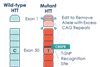
Allele-selective gene editing: a breakthrough in Huntington's disease treatment
Huntington's disease remains a major challenge, but allele-selective gene editing offers new hope. By targeting only the mutant gene, this approach could provide a one-time, durable treatment. Life Edit’s Dr Amy Pooler reveals how this innovative therapy could reshape HD treatment.
-
 News
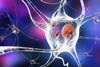
NewsFibril 'fuzzy coats' boost Parkinson’s protein spread
New research reveals that the flexible ‘fuzzy coat’ surrounding α-synuclein fibrils plays a critical role in how Parkinson’s disease spreads between brain cells.