



All Neurological disorders articles – Page 10
-
 News
NewsCholesterol drug restores brain barrier function in 22q11.2 syndrome models
Researchers have found that mitochondrial dysfunction in the blood-brain barrier may drive neuropsychiatric disease in 22q11.2 deletion syndrome – and that a cholesterol drug could restore barrier function and ease symptoms.
-
 News
NewsRepurposed epilepsy drugs show potential for new autism therapies
Researchers identified hyperactivity in a specific brain region as a driver of autism-like behaviours in mice – and reversed these symptoms using drugs first designed to treat epilepsy.
-
 News
NewsFrom graphene to grey matter: tech that supercharges brain organoids
Researchers at UC San Diego have discovered a graphene-based technology that accelerates the maturation of human brain organoids, offering a safer, non-invasive way to model diseases like Alzheimer’s.
-
 News
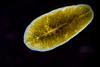
NewsPlanaria flatworms provide new way to study schizophrenia drugs
A new study has shown that small pond worms, called planaria, respond to psychiatric drugs like rodents – offering a promising new way of studying mental health conditions such as schizophrenia and addiction.
-
 News
NewsStriosomes may hold the key to better treatments for mental disorders
Scientists have developed a new computational model that reveals how the striosomal compartment of the brain’s striatum influences decision-making – which could lead to improved therapies for psychiatric disorders.
-
 News
NewsResearchers identify early intervention target for cerebral palsy dystonia
Researchers have developed an easy-to-use method for measuring leg dystonia in children with cerebral palsy – allowing doctors to personalise treatments more effectively.
-
 Article
What if drug discovery took months, not decades?
Drug discovery is slow, costly and often unsuccessful. DTR hears how GATC Health is applying AI and multiomics to make the process faster, more precise and less reliant on trial and error.
-
 News
NewsEvenamide targets multiple symptoms in schizophrenia models
New preclinical research suggests that evenamide – a glutamate modulator – targets hippocampal hyperexcitability, potentially addressing positive, negative and cognitive symptoms of schizophrenia.
-
 News
NewsLithium deficiency identified as key Alzheimer’s trigger
New research from Harvard Medical School shows that natural lithium deficiency in the brain may be a key early factor driving Alzheimer’s disease – which allow for the development of new approaches to preventing and reversing cognitive decline.
-
News
Targeted microglia transplant reverses signs of rare brain disorder
Stanford Medicine researchers have developed a targeted brain cell transplant that replaced most diseased microglia in mice with Sandhoff disease – extending their lifespan and reversing symptoms
-
News
New patent for traumatic brain injury drug announced
Drug discovery company, TauGen, has filed a US patent application for a new series of drug candidates targeting endoplasmic reticulum (ER) stress – a key factor in secondary brain injury following traumatic brain injury (TBI).
-
 News
NewsAI-driven Alzheimer’s therapies show promise in early studies
Porosome Therapeutics has announced new advancements in Alzheimer’s treatment – presenting therapies that restore neuronal function, reduce Tau protein levels and reverse disease pathology in human brain organoids.
-
News
Whole-brain organoid offers breakthrough in neurological research
Johns Hopkins University scientists have engineered a new multi-region brain organoid that mimics early human brain development. The model offers a powerful new tool for studying disorders like autism, schizophrenia and Alzheimer’s disease.
-
 News
NewsScientists discover how 5-HT1A receptor shapes brain signalling
Researchers at Mount Sinai have mapped how the 5-HT1A serotonin receptor controls brain signalling – finding a hidden lipid ‘co-pilot’ that could lead to the development of more targeted antidepressants.
-
 News
NewsIntersectin protein discovery may help treat cognitive disorders
Researchers have discovered that the protein intersectin plays a crucial role in organising synaptic vesicles – enabling direct communication essential for learning and memory.
-
 News
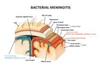
NewsMast cells: new target for preventing meningitis and brain disease
Scientists at Washington University School of Medicine have discovered that mast cells – immune cells best known for triggering allergic reactions – also help protect the brain from bacterial and viral infections. This could have important implications for treating brain infections in the future.
-
 News
NewsNew stroke drug reduces brain damage by 60 percent in preclinical study
Cambridge researchers have discovered a new drug that could dramatically improve stroke recovery by reducing brain damage caused when blood flow is restored.
-
 News
NewsAutoimmune breakthrough: Egr-1 regulates treg cells in diseases like MS
Scientists have found a key mechanism driving immune regulation in autoimmune diseases like MS and IBD – which could lead to new targeted treatments.
-
 News
NewsNew weekly injection could transform Parkinson’s disease treatment
A new weekly injection developed by University of South Australia scientists could change Parkinson’s treatment by replacing the need for multiple daily pills – potentially helping millions of patients worldwide.
-
 News
NewsHow a PRL3-targeting cancer drug could help millions see again
Singapore researchers have found that cancer drug PRL3-zumab shows strong potential for treating wet age-related macular degeneration and diabetic retinopathy - two leading causes of blindness worldwide.