



All Neurological disorders articles – Page 9
-
 News
NewsDARG cells may drive neurodegeneration in progressive MS
Scientists have discovered a rare type of brain cell that appears to drive the chronic inflammation seen in progressive multiple sclerosis – which could potentially lead to new disease-modifying therapies.
-
 News
NewsNew gene therapy restores brain function in SYNGAP1 disorder
Scientists have developed a new gene therapy that reversed symptoms of SYNGAP1-related brain disorders in mice, which could lead to new treatments for this group of neurological conditions.
-
 Article
Eye movements as objective biomarkers: accelerating CNS drug development
Measuring disease progression remains one of the biggest hurdles in CNS drug development. Eye movements, now trackable with just a laptop and webcam, are emerging as a sensitive and scalable biomarker that could transform how trials are designed and therapies reach patients.
-
 News
NewsDDHD2 enables neurons to synthesise and burn fat for energy
Scientists have discovered that neurons can burn and make their own fats for energy – a finding that could lead to new treatments for rare and currently untreatable brain diseases.
-
 News
NewsNew nanotherapy clears amyloid-β reversing Alzheimer’s in mice
Researchers have developed bioactive nanoparticles that restore the brain’s blood-brain barrier and clear toxic proteins, reversing Alzheimer’s symptoms in mice and offering a promising new approach to treating the disease.
-
 News
NewsScientists track amyloid plaques in living mice for first time
A new fibre-optic method lets researchers monitor amyloid plaque buildup in living, freely moving mice – offering a minimally invasive way to track Alzheimer’s disease progression and test potential therapies.
-
 Article
Fighting MS progression: why GPR17 is the target to watch
Despite major advances in multiple sclerosis treatment, stopping disease progression has remained out of reach. Targeting the receptor GPR17 may harness the brain’s own repair system, offering the prospect of genuine remyelination and lasting benefit for patients.
-
 News
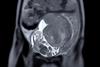
NewsSevere flu during pregnancy compromises placental and brain barriers
Severe flu in pregnancy may weaken the placenta and foetal brain, allowing harmful molecules to leak in and disrupt development, a new study finds
-
 News
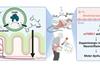
NewsOral bacteria in gut could play role in Parkinson’s disease development
Korean researchers have discovered that oral bacteria in the gut may contribute to Parkinson’s disease – highlighting a potential new target for treatment.
-
 News
NewsGlioblastoma treatment boosted by new drug combination strategy
Researchers in China have discovered how glioblastoma adapts to low-oxygen conditions – revealing a new treatment strategy that combines an orphan drug with standard chemotherapy to overcome resistance.
-
News
ProRNA3D-single: new AI for drug discovery and disease research
Virginia Tech computer scientists have created a new AI tool, ProRNA3D-single, that can generate 3D models of how viral RNA binds to human proteins – a development that could speed up drug discovery.
-
 News
NewsNew therapies boost deep brain stimulation accuracy in epilepsy
In a new study, researchers have discovered that deep brain stimulation targeting the centromedian nucleus could help patients with drug-resistant epilepsy improve seizure control.
-
 News
NewsNew stem cell approach could repair stroke-damaged brains
A new experimental stem cell therapy shows promise in repairing brain damage after ischemic strokes – potentially allowing for the development of future treatments that extend the recovery window.
-
 Article
Better assays: the key step in moving drugs from lab to clinic
From gene therapy to Long Covid, better assays are helping researchers move promising drug candidates from early studies into clinical trials. Dr Alexandre Lucas explains the technologies, challenges and innovations driving this progress.
-
 News
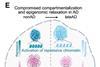
NewsTargeting gene regulation may hold key to future Alzheimer’s therapies
Researchers have discovered that Alzheimer’s disease is driven by a deeper loss of gene regulation in brain cells – offering potential new targets for future therapies.
-
 Article
Lab of the future: four technologies to watch
From precision proteomics to AI-powered immune profiling, next-generation laboratory technologies are changing how new therapies are discovered and developed. Here are four innovations set to shape the lab of the future - and the future of drug discovery.
-
 News
NewsBreakthrough glioblastoma research wins £400k charity funding
King’s College London and Medicines Discovery Catapult have secured £400,000 from The Brain Tumour Charity to fast-track a new drug delivery approach for glioblastoma, the most aggressive brain cancer. The project will support preclinical studies to move potential treatments closer to patients.
-
 News
NewsChronic neuron overactivation drives Parkinson’s cell death
New research from Gladstone Institutes shows that chronic overactivation of dopamine-producing neurons can directly trigger their death, offering new insights into why these cells deteriorate in Parkinson’s disease which could lead to potential therapies to slow its progression.
-
 News
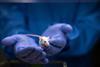
NewsNon-invasive method images brain development in juvenile mice
Stanford researchers have developed a non-invasive method to make juvenile mice’s skin transparent, allowing repeated imaging of developing neural circuits. The breakthrough could be used to develop new treatments for neurodevelopmental disorders.
-
 Article
Inside the Alzheimer’s study backing stem cells, not drugs
In this first-in-human Alzheimer’s study, Wnt-activated autologous stem cells are delivered intracerebroventricularly (directly into the brain) to address neuronal loss, while also reducing amyloid and tau biomarkers and improving cognition. Early data from this regenerative approach could help early drug discovery teams shape target selection, biomarker development and trial design.