



All Rare & Genetic Disorders articles – Page 4
-
 News
NewsNew drug combination shows potential to treat enteroviruses
Researchers in Norway have identified a promising oral drug combination that may stop the replication of enteroviruses, a group of viruses responsible for illnesses ranging from the common cold to type 1 diabetes.
-
 Article
Driving diversity and leadership in the biotech industry
Judy Ashworth, CMO of Novadip Biosciences, shares her journey in advancing treatments for rare paediatric conditions and championing diversity in STEM.
-
 News
NewsNew study identifies key immune cells that prevent food allergies
A specialised group of immune cells in the gut has been found to prevent allergic reactions - a discovery that could lead to new treatments for allergies and autoimmune diseases.
-
 Article
Pioneering cellular therapies for age-related diseases
Discover how Immorta Bio's cellular therapies are addressing cancer and liver failure, with the potential to transform healthcare.
-
 News
NewsStem cell study uncovers shared genes for hearing and vision repair
New research, led by USC Stem Cell scientists, has identified key genetic barriers to sensory cell regeneration in the ear and eye, paving the way for future drug therapies to restore hearing and vision.
-
News
Alzheimer’s treatment targets root causes, not just symptoms
Porosome Therapeutics has made a groundbreaking discovery in Alzheimer’s research by targeting the disease’s molecular causes, focusing on restoring secretory and metabolic functions. This approach could not only slow progression but potentially reverse early-stage pathology.
-
 Article
Gene silencing: a step forward for rare disease therapy
Gene silencing offers a promising approach to treating rare neurological diseases like H-ABC. With clinical trials on the horizon, find out how targeted therapies could bring real hope to patients and families.
-
 News
NewsNew research offers hope for high-grade glioma treatment
High-grade glioma, an aggressive brain cancer affecting both paediatric and adult patients, remains difficult to treat. A collaborative study from the University of Michigan, Dana-Farber Cancer Institute, and the Medical University of Vienna reveals a promising new treatment approach.
-
 Article
New insights into surfactant spread for lung drug delivery
A recent study led by Dr Richard McNair highlights the role of the Marangoni effect in surfactant spreading, offering potential improvements in drug development and delivery for lung diseases.
-
 Article
The future of cell therapy: scaling production for global reach
Scaling up cell therapy is no easy feat. PluriCDMO's Andy Lewin reveals the critical factors for success and how they are helping companies bring life-saving therapies to market.
-
 News
NewsRare diseases, big advances: how research is powering a new era of treatments
This Friday, February 28, marks Rare Disease Day 2025, a global initiative raising awareness for the 300 million people living with rare conditions. Dr David Reynolds, CEO of LoQus23 Therapeutics, explores how advancements in rare disease research are driving the development of new treatments.
-
 News
NewsBlood pressure drug shows promise in ADHD symptom reduction
A study by the University of Surrey suggests that amlodipine, a common blood pressure medication, could be repurposed as a safer, more accessible treatment for ADHD. This offers a promising alternative to current medications and highlights the potential of drug repurposing in advancing treatment options.
-
 News
NewsStudy identifies new genetic targets for neuropsychiatric diseases
Scientists identify thousands of novel enhancers linked to neuronal differentiation and neuropsychiatric disorders, offering new pathways for drug discovery and potential therapeutic targets.
-
 News
NewsThe immune cells that fuel food allergies
A new study reveals how specific immune cells contribute to the exaggerated immune response in food allergies, offering hope for improved treatments in the future.
-
 News
NewsGlox Therapeutics secures £500K to develop antibiotics for cystic fibrosis
Glox Therapeutics has received a portion of a £3 million fund to combat antimicrobial resistance in cystic fibrosis patients.
-
 News
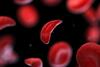
NewsFirst patient enrolled in fostamatinib trial for sickle cell disease
Rigel Pharmaceuticals has announced the enrolment of the first patient in a Phase I trial evaluating fostamatinib for sickle cell disease.
-
 Report
Beyond the Lab: Stem cell research
Download our latest report to discover how stem cell research is revolutionising treatments for chronic diseases, cancer and regenerative medicine.
-
 News
NewsNew painless vaccine technology targets viruses
Learn how Kindeva and Emervax are advancing vaccine delivery with painless, needle-free technology designed to improve accessibility and uptake worldwide.
-
 News
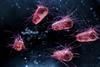
NewsPhage therapy: A step forward in the fight against antibiotic resistance
A new study shows how phages, viruses that kill bacteria, can coexist on a single bacterial strain. This offers valuable insights for developing more effective therapies against antibiotic-resistant infections.
-
 News
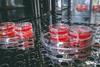
NewsPHC Corporation to present LiCellGrow at Advanced Therapies Week 2025
The LiCellGrow cell expansion system enables real-time metabolic monitoring and automated culture optimisation to accelerate cell and gene therapy manufacturing.