



All Rare & Genetic Disorders articles
-
 News
NewsSolute carrier transporters open new frontier in neurological drug discovery
A comprehensive review of solute carrier transporters argues that the 464-strong SLC protein family represents a largely unexplored opportunity for developing treatments across a range of neurological and psychiatric conditions, from epilepsy and autism to Alzheimer’s disease.
-
 News
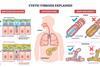
NewsEngineered tRNAs and lipid nanoparticles target nonsense mutation cystic fibrosis
A preclinical study combining chemically modified suppressor tRNAs with inhaled lipid nanoparticles has restored functional CFTR protein production across bronchial epithelial cells, mouse models and patient-derived organoids, offering a potential new therapeutic strategy for nonsense mutation-driven cystic fibrosis.
-
 Article
How rare genetic variants could uncover new drug targets
What if extreme levels of common traits have a different genetic basis? New research suggests rare, large-effect variants could help explain the extremes and identify potential drug targets.
-
 News
NewsGlymphatic gene therapy platform targets brain’s glial cells precisely
A new gene therapy platform exploiting the brain’s glymphatic transport system and engineered AAV5 vectors could offer a targeted treatment route for multiple sclerosis, Huntington’s disease and rare white matter disorders.
-
 Article
Why inherited retinal disease treatment requires more than gene therapy
Most inherited retinal diseases still have no approved therapy despite advances in gene therapy. This article explores why researchers are targeting shared disease mechanisms alongside individual mutations.
-
 News
NewsBMP3 protein identified as therapeutic target for pulmonary arterial hypertension
Scientists at the Fralin Biomedical Research Institute have identified bone morphogenetic protein 3 as a protective factor in lung blood vessels, with preclinical data showing that restoring its levels can reverse hallmark features of pulmonary arterial hypertension.
-
 News
NewsLandmark fibromyalgia study highlights neurological targets for new therapies
A landmark genome-wide study of more than 2.5 million adults has identified 26 genomic regions linked to fibromyalgia, confirming a neurological basis for the condition and opening new avenues for targeted drug discovery.
-
 News
NewsNew drug target identified to protect hearts in DMD patients
Researchers at the University of South Florida have identified NOX4 as a potential therapeutic target for DMD-related cardiomyopathy, with experimental drug Setanaxib demonstrating cardioprotective effects in preclinical models.
-
 News
NewsGene therapy restores key features in fragile X syndrome mouse model
Researchers at Cincinnati Children’s have demonstrated that AAV-mediated delivery of the human FMR1 gene can restore FMRP expression and reverse multiple disease-related features in a fragile X syndrome mouse model, offering a promising preclinical foundation for future clinical trials.
-
 News
NewsGene therapy shows durable correction of methylmalonic acidemia in preclinical study
Preclinical findings from Genespire and SR-TIGET suggest a single administration of a liver-directed lentiviral gene therapy could provide lifelong correction of methylmalonic acidemia, a rare inherited metabolic disorder with no approved disease-targeted treatments.
-
 News
NewsmRNA vaccine shows promise against childhood neuroblastoma cancer
Preclinical study demonstrates effectiveness of experimental mRNA vaccine against neuroblastoma, reducing tumour size by 70 percent and delaying development. RCSI researchers used peptide nanoparticles targeting GPC2 protein to direct immune response against cancer cells, offering potential new treatment approach for aggressive childhood malignancy.
-
 News
NewsThalidomide shows potential for treating rare brain vascular malformations
Researchers in China have reported encouraging preclinical and early clinical evidence that thalidomide may help stabilise and reduce rare vascular malformations affecting the brain and spinal cord, potentially offering the first medical treatment option for patients with central nervous system arteriovenous malformations who are unsuitable for invasive procedures.
-
 News
NewsGlycine transporter suppression restores NMDAR function in autism models
Researchers have identified a novel therapeutic strategy for autism spectrum disorder by suppressing the glycine transporter SLC6A20, successfully restoring NMDA receptor function in both mouse models and human cortical organoids carrying SHANK2 and SHANK3 mutations.
-
 News
NewsStudy suggests senolytic therapies could slow spinal disc degeneration
Thomas Jefferson University researchers have demonstrated that senolytic therapies targeting cellular senescence may delay early intervertebral disc degeneration, a major cause of chronic back and neck pain.
-
 News
NewsMetabolic vulnerabilities identified in rare Fibrolamellar liver cancer
Researchers have identified metabolic vulnerabilities in Fibrolamellar cancer, a rare liver malignancy affecting adolescents and young adults, using functional profiling and mass spectrometry. The findings suggest chemotherapy-resistant tumours may be susceptible to metabolism-targeted therapies.
-
 News
NewsOrganoid study reveals valproate’s impact on developing brain
German researchers have used cerebral organoids to investigate how the epilepsy medication valproate interferes with early brain development, identifying significant disruption to the extracellular matrix and neuronal maturation that may explain increased neurodevelopmental risks in exposed foetuses.
-
 News
NewsCircio’s circular RNA platform shows 40-fold gene expression boost
Circio Holding has presented preclinical data at ASGCT demonstrating that its circVec circular RNA platform achieved up to 40-fold greater gene expression in cardiac tissue and 50-fold in ocular tissue compared with conventional AAV gene therapy approaches, potentially enabling significant dose reductions and improved safety profiles.
-
 Article
Women in STEM: resilience and leadership in rare disease research
Rare neurological diseases remain one of the most challenging areas in drug discovery, with many patients still lacking treatment options. Dr Nitza Thomasson discusses returning to Servier to lead its rare neurology therapeutic area and explains why resilience, curiosity and persistence are essential for those looking to build a meaningful career in STEM.
-
 News
NewsMolecular switch discovery could lead to new bone disease treatments
A molecular switch that activates an alternative energy-burning pathway in brown fat has been identified by McGill University researchers, offering potential new approaches to treating bone disease and metabolic disorders through the TNAP enzyme’s glycerol pocket.
-
 Article
Variant or viable target? How resolving complex genomic regions is reshaping rare disease therapeutics
Dr Aaron Wenger reveals how improvements in long-read sequencing technology is enabling the elucidation of complex disease mechanisms for targeted and effective treatments for rare diseases.