



All Small Molecules articles – Page 2
-
 News
NewsFertility gene PRDM9 linked to relapse in glioblastoma
A study by University of Sydney scientists has discovered why patients with glioblastoma often relapse, identifying a hidden population of cancer cells that hijack a fertility gene to survive chemotherapy.
-
 News
NewsAI-powered CKD drug ISM4808 licensed for kidney disease therapy
Insilico Medicine has partnered with TaiGen Biotechnology to exclusively license its AI-designed PHD inhibitor, ISM4808, for the treatment of CKD-related anaemia in Greater China.
-
 Article
Protein folding interference: a new path to hard-to-drug targets
Protein folding interference offers access to targets long considered unreachable by traditional drug discovery. By acting on transient folding intermediates, this approach presents a new opportunity to eliminate disease-driving proteins.
-
 News
NewsBlocking the P2X4 receptor: a potential pathway to new therapies
Researchers have discovered how to inhibit the P2X4 receptor, a key protein linked to chronic pain, inflammation and certain cancers.
-
 News
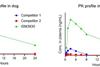
NewsAI powers discovery of new CBLB inhibitor ISM3830
Insilico Medicine has announced ISM3830, an AI-designed CBLB inhibitor that has demonstrated promising preclinical results.
-
 News
NewsKinase inhibitors shown to accelerate protein breakdown
A new study has revealed that many kinase inhibitors – key drugs used in cancer and other diseases – also trigger the accelerated degradation of their target proteins, which could inform future therapies.
-
 Article
Mapping lipid pockets to drug the undruggable proteome
Tasca Therapeutics is using chemical proteomics to map lipid-binding pockets on proteins. By targeting auto-palmitoylation, the company aims to turn previously undruggable cancer drivers into viable therapeutic targets.
-
 Article
Chemistry-aware AI offers new routes in small molecule design
AI has advanced molecule design, yet synthetic feasibility remains a bottleneck. Chemistry-first approaches offer a practical way forward.
-
 Article
Inside Zasocitinib: a new model for TYK2 inhibition in immune-mediated diseases
Zasocitinib is a highly selective, investigational TYK2 inhibitor developed to target immune-mediated diseases with fewer off-target effects than traditional JAK inhibitors. This article explores its mechanism, selectivity data and clinical progress.
-
 Article
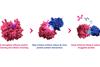
The science behind the systematic discovery of molecular glues
For decades, molecular glues have been stumbled upon rather than designed. A new scientific approach is now changing that – expanding what is considered druggable.
-
 News
NewsSoil’s hidden bacteria could hold future antibiotic breakthroughs
Researchers have unlocked the genetic secrets of soil’s hidden bacteria, discovering hundreds of previously unknown genomes and two promising new antibiotics.
-
 Article
Inside the search-and-develop model tackling 1,000 untreated skin diseases
With over 1,000 skin diseases lacking approved treatments, a search-and-develop model is changing how new therapies are sourced and developed. Chief Scientific Officer, Jacob Pontoppidan Thyssen, outlines the strategy behind it.
-
 Article
Gene therapies that listen and respond: the power of RNA regulation
Most gene therapies rely on static DNA promoters to control gene activity, but nature uses far more sophisticated tools. Dr Matthew Dale explores how harnessing RNA-level control could enable treatments that sense and respond in real time, offering unprecedented precision and safety.
-
 Article
From injections to pills: oral peptides set to transform drug development
Oral peptide-based drugs are set to revolutionise the pharmaceutical industry, overcoming the long-standing challenge of poor bioavailability. Santosh Kulkarni reveals how new breakthroughs in drug discovery and delivery offer the potential for more convenient, effective treatments for a range of conditions – without the need for injections.
-
News
New class of chiral molecules offers strong stability for drug development
Scientists have created a new class of ultra-stable chiral molecules – a discovery that could lead to more precise drug design by preventing potentially harmful molecular “flipping” over time
-
 News
NewsQTX153 reverses Rett symptoms and crosses key drug delivery barrier
QTX153, a novel HDAC6 inhibitor, has shown significant symptom reversal in preclinical models of Rett syndrome. This represents progress toward a therapy for a condition with no approved options.
-
 News
NewsSmall molecule therapy improves islet transplant success in diabetes
A study from Weill Cornell Medicine shows that pre-treating pancreatic islet cells with a small molecule cocktail significantly improves survival after transplantation in type 1 diabetes models. The approach could help make donor cells go further and transplants more efficient.
-
 News
NewsNew data backs Myo4 for obesity treatment
MitoRx Therapeutics has announced new preclinical data for its small molecule Myo4, showing restored insulin sensitivity and enhanced fat loss with muscle preservation in an obesity model - offering a potential alternative to GLP-1-based therapies.
-
 Article
Pain relief without the risk: why SRP-001 could change everything
A practicing surgeon turned biotech CEO is developing a novel pain medicine that could sidestep the failures of both opioids and paracetamol.
-
 News
NewsAI targets protein linked to most human cancers
Scientists have used AI to design a molecule that disrupts a key protein interaction driving up to 70 percent of cancers - once thought impossible to drug.
- Previous Page
- Page1
- Page2
- Page3
- Page4
- Next Page