



All Toxicology articles – Page 2
-
 Article
Peptides in practice: what it takes to advance these therapies to clinic
Peptide therapeutics are emerging as a powerful class of medicines capable of targeting diseases that challenge traditional modalities. This article reveals their rising clinical impact and the key development, safety and translational challenges that must be addressed to bring them successfully to patients.
-
 News
NewsNew research aims to make FDA-approved drugs safer for the brain
Life-saving HIV and cancer drugs can carry serious neurological risks, and new funding will help UMBC researchers discover how these medicines damage the brain – which could help to inform safer treatments.
-
 News
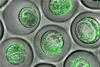
NewsStem cell liver model reproduces rare immune drug reactions
A new human liver organoid platform could help predict which drugs trigger dangerous immune reactions in susceptible patients.
-
 Article
An ethical shift in NHP research: iPSC-derived cardiomyocytes for safer pharmacology
As regulators move to phase out primate testing, NHP-derived iPSC cardiomyocytes are emerging as a scalable, ethical and scientifically robust alternative - offering drug developers a clear path to faster, more predictive, and more responsible innovation.
-
 Article
Lab of the future: four technologies to watch
From precision proteomics to AI-powered immune profiling, next-generation laboratory technologies are changing how new therapies are discovered and developed. Here are four innovations set to shape the lab of the future - and the future of drug discovery.
-
 News
NewsKidney organoids reveal hidden toxicities in AAV gene therapy
Stem cell-derived kidney organoids have revealed hidden toxicities in adeno-associated virus (AAV) gene therapy delivery – offering a powerful new way to improve the safety of future treatments.
-
 Article
Fixing failed drugs: AI solutions for toxicity in drug discovery – part 3
What role could large language models and AI agents play in drug safety? In Part 3, Layla Hosseini-Gerami of Ignota Labs discusses how emerging technologies might make toxicity analysis faster, more accessible and part of the drug discovery workflow from day one.
-
 Article
Fixing failed drugs: AI solutions for toxicity in drug discovery – part 2
Why do so many drug candidates fail before reaching patients – and can AI help stop the losses? In Part 2, Layla Hosseini-Gerami of Ignota Labs outlines the scope of the toxicity problem and explains why failures often come too late to fix.
-
 Article
Fixing failed drugs: AI solutions for toxicity in drug discovery – part 1
Why do so many drug candidates fail before reaching patients – and can AI help stop the losses? In Part 1, Layla Hosseini-Gerami of Ignota Labs outlines the scope of the toxicity problem and explains why failures often come too late to fix.
-
 Article
Fixing drug discovery’s most persistent problem with AI
AI will not replace drug discovery, but it might finally fix one of its most frustrating bottlenecks. Read how a targeted approach to ADMET is cutting through the noise.
-
 Article
Time for change: non-human primates in drug research
As ethical pressures and new regulations shake up preclinical research, the industry faces a turning point: can we finally move beyond non-human primates? Dr Mariana Argenziano, Associate Director Manufacturing Technologies at Ncardia, discusses the innovations reshaping drug development and what’s coming next.
-
 News
NewsScientists grow 3D brain that mimics the real thing
Researchers at POSTECH have developed a new 3D brain model that closely mimics the structure and function of human brain tissue – marking a major advance in early disease detection.
-
 Article
Pain relief without the risk: why SRP-001 could change everything
A practicing surgeon turned biotech CEO is developing a novel pain medicine that could sidestep the failures of both opioids and paracetamol.
-
 Article
A spatial approach to understanding drug dynamics using mass spectrometry imaging
What if you could actually see where a drug travels in the body down to the cellular level. Find out how mass spectrometry imaging (MSI) is making that possible – reshaping drug development from the inside out.
-
 Article
Building better drugs: how 3D models are shaping pre-clinical development
Three-dimensional (3D) models are reshaping pre-clinical drug development by providing more accurate insights into drug safety and efficacy. Explore how these advanced in vitro systems help improve predictions and reduce the risk of failure in early-stage drug discovery.
-
 News
NewsCN Bio advances hepatotoxicity testing to reduce drug failures
CN Bio has developed an advanced hepatotoxicity testing solution to improve preclinical drug safety, providing more human-relevant insights and reducing the risk of drug failures due to liver damage.
-
 Article
New research improves the safety and effectiveness of ADC cancer treatments
Learn how the University at Buffalo is pioneering safer, more effective ADC therapies.
-
 Article
Toxicology transformed: Why accuracy now leads the way
Regulatory changes are reshaping toxicology, with precision now at the forefront. We explore how accurate target analysis is transforming drug development, particularly for biotherapeutics.
-
 News
NewsNew network model efficiently identifies cancer driver genes
The model enables researchers to expand the number of tumours that they can study, increasing their ability to detect novel interactions.
-
 Article
Rapid delivery of toxicological material
With increasingly rapid timelines for achieving IND-ready processes, a bottleneck has emerged in the provision of toxicology data to support INDs for new therapeutics and hence delivery of FIH studies, explains Alejandro Fernandez Martell and James Berrie from Lonza.
- Previous Page
- Page1
- Page2
- Page3
- Next Page