



All Translational Science articles – Page 13
-
 Article
AI and the future of biomarker analysis in early R&D
AI is transforming biomarker analysis in early drug discovery, revealing hidden biological patterns that improve target discovery, patient selection and trial design for more precise and predictive R&D.
-
 News
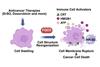
NewsFGD3 protein enhances breast cancer therapies
Scientists have identified a little-known protein, FGD3, that can boost the power of key breast cancer treatments by helping drugs rupture tumour cells and activate the immune system.
-
 News
NewsNew study shows ageing may help prevent cancer growth
Scientists at Stanford University have discovered that older mice develop far fewer and less aggressive lung tumours than younger ones, challenging the long-held belief that cancer risk rises with age.
-
 News
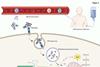
NewsHow antibody-drug conjugates are improving gynaecological cancer outcomes
Antibody-drug conjugates (ADCs) are emerging as a breakthrough in the fight against gynaecological cancers, offering targeted treatment for cervical, ovarian and uterine tumours.
-
 Article
Circular RNA technology: the future of gene therapy
Pioneering circular RNA could redefine what the future of gene therapy looks like. Erik Digman Wiklund, CEO of Circio, shares how his company’s platform is enhancing gene expression and tackling toxicity challenges through smarter design and scientific collaboration.
-
 News
NewsNew framework enhances reliability of virtual cell models
Shift Bioscience have announced new research revealing that AI-driven virtual cell models perform far better than previously thought when assessed with correctly calibrated metrics.
-
 Article
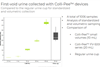
Why first-void urine could potentially change the future of HPV screening
From richer biomarker content to patient-friendly sampling, first-void urine is emerging as a promising tool in precision health. Here is why scientists are paying attention.
-
 News
NewsPARP14: the human gene that fights against herpes and COVID
Researchers have identified a human gene, PARP14, that not only helps the body’s immune system to combat multiple viruses but could also potentially be used to treat inflammatory and autoimmune diseases.
-
 News
NewsNext-gen MRI agents improve stability and effectiveness
Scientists have developed a new class of MRI contrast agents that are both more stable and 30 percent more effective than previous designs.
-
 News
NewsHow a psychedelic found in mushrooms could help fight alcoholism
Scientists have discovered that psilocin – the compound produced in the body from the psychedelic found in magic mushrooms – may reduce alcohol consumption by calming activity in brain regions linked to stress.
-
 News
NewsTRβ receptor could be key to slowing prostate cancer
A thyroid hormone receptor may play a key role in prostate cancer growth, offering a potential new target for treating aggressive forms of the disease.
-
 News
NewsGLP-1 weight loss drugs may protect against pancreatitis
A new study has found that GLP-1 weight loss drugs do not increase the risk of pancreatitis or heart problems in patients with high triglycerides – and may even help protect against the condition.
-
 Article
Nasal drug delivery: the non-invasive future of treatment
Advances in formulation science and device technology are transforming nasal drug delivery, enhancing absorption, stability and patient adherence. This article examines the innovations driving its growth and highlights future applications ranging from systemic treatments to nose-to-brain therapies and vaccines.
-
 News
NewsScientists use AI to create antibodies entirely from scratch
Scientists at the University of Washington’s Institute for Protein Design have used artificial intelligence to create antibodies entirely from scratch, a breakthrough that could reshape drug discovery.
-
 Article
Beyond weight loss: the gap in current drug development for obesity
Current obesity drug development remains overly focused on short-term weight reduction, despite obesity being a chronic, multifactorial disease. Broader, mechanism-driven approaches are needed to ensure durable efficacy, safety and accessibility.
-
 News
NewsAlzheimer’s may disrupt fat tissue and raise metabolic disease risk
Researchers have discovered that Alzheimer’s may disrupt communication between nerves and blood vessels in fat tissue which could explain why people with Alzheimer’s are often diagnosed with heart disease and metabolic problems.
-
 News
NewsProtein FSP1 found to help melanoma survive in lymph nodes
New research has discovered a key survival mechanism in metastatic melanoma, revealing that cancer cells spreading to lymph nodes depend on a protein called FSP1 to avoid cell death.
-
 Article
Recombinant KLK1: the next step in stroke and preeclampsia treatment
With its lead candidate DM199, DiaMedica Therapeutics is advancing a recombinant form of KLK1 to restore blood flow, improve endothelial function and address unmet needs in the treatment of stroke and preeclampsia.
-
 News
NewsSugar-coated tumours: a new target for pancreatic cancer
Researchers have discovered that pancreatic tumours evade the immune system by disguising themselves with a sugar coating. To combat this, they have developed a new antibody therapy that blocks this ‘don’t-attack’ signal, which slows tumour growth.
-
 News
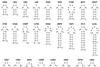
NewsRNA folding: new model could change future drug design
A Japanese research team has simulated how RNA molecules fold, using cutting-edge computational tools to model complex structures with accuracy – a breakthrough that could accelerate the development of RNA-based medicines and therapies.