Advances in formulation science and device technology are transforming nasal drug delivery, enhancing absorption, stability and patient adherence. This article examines the innovations driving its growth and highlights future applications ranging from systemic treatments to nose-to-brain therapies and vaccines.
The pharmaceutical industry has been continually innovating to overcome the limitations of traditional administration routes. Oral medications can suffer from poor bioavailability due to first-pass metabolism, while injectable therapies, although effective, present challenges of patient discomfort and the need for trained professionals. Non-invasive drug delivery methods have been gaining traction, with nasal drug delivery emerging as a particularly attractive and rapidly developing alternative. Nasal spray product development is seeing substantial growth across both preclinical and clinical stages. As a result, the global nasal drug delivery technology market is projected to rise from $82.68 billion in 2024 to $168.58 billion, expanding at a compound annual growth rate of 7.38 percent.1
Here, I look at the key innovations driving this evolution and explore how they are reshaping the capabilities and applications of nasal drug delivery systems. Advances in formulation science, device technology and understanding of nasal anatomy are driving a new era in drug delivery. These innovations promise better patient adherence and new treatment possibilities across multiple therapeutic areas.
Technologies enabling progress
The landscape of nasal drug delivery is built on breakthroughs in enabling technologies, particularly in formulation science and device engineering. These innovations have acted as game-changers for the industry, overcoming historical limitations and unlocking new therapeutic possibilities.
The landscape of nasal drug delivery is built on breakthroughs in enabling technologies, particularly in formulation science and device engineering.
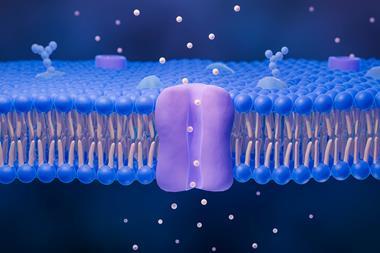
A critical breakthrough in nasal drug delivery has been made through the strategic use of formulation enhancers, designed to optimise drug absorption within the complex nasal environment. Penetration enhancers play a pivotal role by temporarily and reversibly increasing the permeability of the nasal membrane. This allows larger or more hydrophilic drug molecules, which would otherwise struggle to cross the epithelial barrier, to be absorbed more efficiently into the underlying tissues or directly into neural pathways. Examples include surfactants, bile salts and cyclodextrins.
Mucoadhesives, on the other hand, are crucial for enhancing absorption efficiency by prolonging the drug’s residence time on the nasal mucosa. These agents, such as chitosan and carbopol, adhere to the mucosal lining, counteracting the rapid clearance mechanisms (mucociliary clearance) of the nasal cavity. By keeping the drug in contact with the absorption site for a longer period, mucoadhesives greatly enhance the amount of drug available for uptake, improving bioavailability and therapeutic effect.
Advancements in device technology
Beyond formulation, the evolution of device technology has played a crucial role in refining nasal drug delivery. Traditional nasal sprays, although convenient, often offered limited control over where the drug landed in the nasal cavity. Modern advancements have led to more sophisticated devices capable of achieving precision delivery.
Traditional nasal sprays, although convenient, often offered limited control over where the drug landed in the nasal cavity. Modern advancements have led to more sophisticated devices capable of achieving precision delivery.
These targeted devices can specifically improve drug deposition in particular nasal regions, such as the highly innervated olfactory region (crucial for nose-to-brain pathways), compared with the more vascularised respiratory region (primarily for systemic absorption). This precision is achieved through careful control over spray characteristics like plume geometry, spray pattern and droplet size, ensuring that the therapeutic agent reaches its intended site of action. Advanced formulation enhancers and precision device technologies have profoundly shaped the development of nasal drug delivery. Together, they are making previously challenging drug molecules and therapeutic targets viable for this non-invasive route.
The rise of nasal dry powders
Traditional solution-based nasal sprays often face inherent limitations around solubility, drug stability and shelf life. Many active pharmaceutical ingredients, particularly complex biological molecules or those prone to hydrolysis, can undergo degradation when suspended in an aqueous solution over time. This instability means that specific storage conditions and short expiry dates are required, restricting the types of drugs suitable for liquid nasal delivery. Additionally, solution based nasal sprays often require high concentration formulations due to the small volume requirements. This leads to challenges in drug solubility. In contrast, nasal dry powder formulations offer a robust solution to these issues. By formulating the drug in a solid, dehydrated state, they significantly enhance the stability of the drug, particularly for highly sensitive compounds.2 The absence of water dramatically reduces degradation pathways, which leads to longer shelf lives and less stringent storage requirements, such as no refrigeration. This stability also opens the door to a wider range of therapeutic molecules that were previously unsuitable for nasal administration. This inherent stability also makes dry powders an attractive option for therapies destined for remote or resource-limited settings where cold chain logistics are a challenge.
Patient centricity of nasal dry powders
Beyond their stability advantages, nasal dry powders also contribute markedly to improving the patient experience and compliance through:
- Ease of use
Dry powder formulations feature simple device mechanisms. - Reduced discomfort
They may cause less irritation or post-nasal drip than some liquid sprays, which can contain preservatives or have varying osmolarities and pH that patients find uncomfortable. - Improved adherence
The combination of user-friendliness and consistent dosing, made possible by enhanced drug stability, directly leads to improved patient adherence. Patients are more likely to stick to their prescribed regimen when the delivery method is convenient, comfortable and reliable, leading to improved therapeutic outcomes. Also, compared to traditional oral routes, nasal dry powders, like their liquid counterparts, offer the distinct advantage of metabolism bypass and improved bioavailability:
- Similar to nasal liquids, dry powders bypass the gastrointestinal tract’s harsh environment and first-pass metabolism in the liver.
- This direct absorption through the nasal mucosa results in higher system bioavailability and a more predictable drug effect, making them an appealing option for patient-centric care.3
Nose-to-brain drug delivery
One of the most exciting and actively pursued applications of nasal drug delivery is nose-to-brain delivery, which offers a direct conduit to the central nervous system (CNS). The rationale is compelling: the brain is protected by the blood-brain barrier (BBB), a highly selective physiological gatekeeper that severely restricts the passage of most drugs from the bloodstream.4 This has historically limited the efficacy of many treatments for neurological disorders. Nose-to-brain delivery bypasses this obstacle by leveraging direct pathways.5 Drugs can be transported along the olfactory and trigeminal nerve pathways, which connect the nasal cavity directly to the brain, effectively bypassing systemic circulation. This offers a therapeutic option for a wide array of neurodegenerative diseases like Alzheimer’s, Parkinson’s and Huntington’s disease, as well as psychiatric disorders such as depression and anxiety.
Moreover, nose-to-brain delivery is being explored for acute conditions like stroke and traumatic brain injury, where rapid, targeted brain access is crucial and even for delivering therapies directly to brain tumours. This area has seen extensive ongoing research, promising more effective and precise neurological interventions.
Nasal spray vaccines
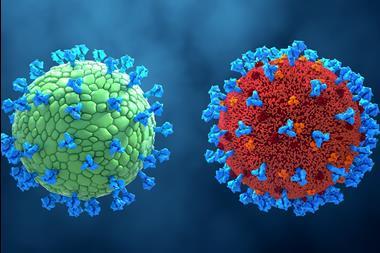
Beyond CNS therapies, nasal drug delivery is set to redefine the future of immunisation with nasal spray vaccines. These offer compelling benefits: they are non-invasive, eliminating the discomfort and logistical challenges associated with needles. They also enable at-home administration, increasing accessibility and compliance. These vaccines can induce mucosal immunity at the primary entry points of many pathogens (nose, throat, lungs), potentially offering superior protection against respiratory infections.
Interest in these novel vaccines has been sparked by previous global health events, such as the COVID-19 pandemic, where the rapid development of mRNA vaccine technology highlighted the need for diverse and easily administrable vaccine platforms. Nasal spray vaccines offer a clear opportunity for enhanced convenience and broader public access compared to traditional injectable vaccines, potentially improving vaccination rates and public health outcomes.
Looking further into the future of nasal drug delivery
Although these advancements in nasal drug delivery are undeniably innovative, their implementation is not without its complexities. Addressing emerging challenges, particularly within the regulatory sphere, will be crucial for unlocking the full potential of this delivery route. Beyond regulatory aspects, continuous innovation in device technology and patient adherence remains a cornerstone of future success. Human factors studies are essential in guiding the design of user-friendly devices that reflect patients’ diverse capabilities and preferences. New solutions are already emerging, including two-pronged devices engineered for consistent placement in the nasal cavity to ensure accurate drug deposition.
The future also holds promise for smart devices with verbal instructions or integrated training features, making complex administration regimens more accessible.
The future also holds promise for smart devices with verbal instructions or integrated training features, making complex administration regimens more accessible. The industry also has an opportunity to improve patient education and adherence through modern accessibility tools. For example, QR codes can link to concise video tutorials, offering a more effective alternative to traditional, often dense, product inserts. These advancements promise to make nasal therapies more intuitive, reliable and effective in the hands of patients.
The immense potential of nasal drug delivery as a key route for future therapies, particularly in overcoming barriers such as the blood-brain barrier (BBB) and offering convenient, patient-centric solutions, is now more evident than ever. As research deepens our understanding of nasal physiology and drug-device interactions, several key areas are poised for significant advancement, promising to redefine the landscape of patient care. Although challenges such as regulatory clarity on sterility and particulates persist, the industry’s commitment to continuous innovation and a patient-centric approach signals a promising future. The ongoing push for non-invasive, convenient and targeted treatments will ensure nasal drug delivery remains a vibrant and essential area of pharmaceutical innovation for decades to come.
References
1. https://www.precedenceresearch.com/nasal-drug-delivery-technology-market
2. https://pmc.ncbi.nlm.nih.gov/articles/PMC8001606/
3. https://pmc.ncbi.nlm.nih.gov/articles/PMC11279750/
4. https://www.mdpi.com/2227-9059/12/10/2302
5. https://pmc.ncbi.nlm.nih.gov/articles/PMC10818989
Meet the author
 Justin Lygrisse is the Director of Research & Development (R&D) for the Nasal Spray business unit at Kindeva Drug Delivery. He received a Bachelor’s and Master’s degree in Chemistry from Wichita State University in 2005 and 2009 respectively. He has been a researcher in the fields of analytical chemistry and drug development for more than 20 years. In his current capacity as Director of R&D, he leads nasal spray drug product development for Kindeva Drug Delivery.