



All Translational Science articles – Page 12
-
 News
NewsDexamethasone may halt metastases in resistant breast cancer
Researchers have discovered that dexamethasone, a widely used anti-inflammatory drug, could help combat metastases in hormone-resistant ER+ breast cancer.
-
 News
NewsOral arginine reduces harmful amyloid in Alzheimer’s models
A naturally occurring amino acid commonly found in supplements has reduced harmful amyloid build-up and eased symptoms in animal models of Alzheimer’s disease.
-
 Article
Mapping lipid pockets to drug the undruggable proteome
Tasca Therapeutics is using chemical proteomics to map lipid-binding pockets on proteins. By targeting auto-palmitoylation, the company aims to turn previously undruggable cancer drivers into viable therapeutic targets.
-
 News
NewsBlood stem cell and islet cell transplant combo reverses type 1 diabetes
Stanford researchers have cured Type 1 diabetes in mice using a combination of blood stem cell and pancreatic islet cell transplants.
-
 Article
Advancing disease biomarker research with EV multiplex profiling
Vanitha Margan, Global Product Manager for Bio-Plex Multiplex Immunoassays at Bio-Rad Laboratories, reveals how multiplexing is being used to realise the full potential of extracellular vesicles in disease monitoring.
-
 News
NewsNew stealth CRISPR method reduces immune interference in tumours
Researchers have developed a novel CRISPR method that evades the immune system in mice, allowing scientists to study tumour growth and metastasis more accurately.
-
 Article
AI and policy reform set to reshape UK drug development
BCG’s Chris Meier outlines how advances in AI and new UK policies could accelerate drug development, streamline clinical trials and strengthen the country’s life sciences sector.
-
 News
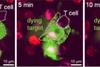
NewsNew CAR-T cell therapy capable of destroying glioblastoma cells
A new CAR-T treatment developed in Switzerland has shown striking early success against glioblastoma, one of the deadliest brain cancers, and is now moving towards human trials.
-
 News
NewsRecycled nuclear fuel to power new cancer treatments in the UK
The UK is set to turn recycled nuclear fuel into new cancer treatments, thanks to a £18.8 million investment in a project using lead-212 to develop Targeted Alpha Therapies.
-
 Article
Tackling the organ shortage through vascular bioengineering
Frontier Bio’s vascular bioengineering research connects tissue modelling with graft development to advance regenerative medicine and drug discovery.
-
 Article
Transforming central labs with automation and AI: setting new standards for modern trials
Demands on central laboratories are consistently increasing, heightening the challenge to deliver operational excellence and the highest standard of scientific integrity with both speed and agility. ICON Laboratories is transforming the way we leverage data and intelligent operational models to meet evolving trial needs.
-
 News
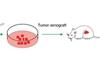
NewsPDX models: a new tool for colorectal cancer research
Patient-derived xenograft models are reshaping colorectal cancer research by preserving the complexity of real tumours, potentially helping scientists to develop new therapies in the future.
-
 News
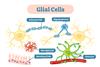
NewsBacterial traces discovered within gliomas and brain metastases
Scientists have discovered active bacterial traces inside brain tumours, overturning assumptions about the brain’s sterility and opening up new possibilities for understanding – and potentially treating – gliomas and brain metastases.
-
 Article
RVX-001: a universal vaccine to tackle antimicrobial resistance
Drug-resistant infections are on the rise, endangering global health. Neil Murray from ReNewVax explains how the company’s universal pneumococcal vaccine, RVX-001, could reduce antibiotic use and help curb antimicrobial resistance.
-
 News
NewsDeepTarget tool helps identify secondary cancer drug targets
A new computational tool, DeepTarget, is demonstrating context-specific targets and repurposing opportunities, showing that what may be a side effect in one patient could serve as a treatment in another.
-
 News
NewsCRISPR disruption of NRF2 re-sensitises tumours to chemo
Researchers have shown that using CRISPR to disable the NRF2 gene can restore chemotherapy sensitivity and slow tumour growth.
-
 News
NewsScripta Therapeutics raises $12m to advance neurodegenerative research
Oxford-based techbio start-up Scripta Therapeutics has announced a $12 million seed funding round helping them to reshape conventional drug discovery.
-
 Article
Resetting retinal networks with a gene-agnostic approach
What if treating blindness did not mean fixing a single faulty gene? Find out how modifier gene therapy is designed to protect vision by targeting broader retinal pathways.
-
 Article
Deep data not big data
Bigger isn’t always better. In drug discovery, Dr Michael Ritchie argues that the future belongs not to those with the most data, but to those who understand its biological depth.
-
 News
NewsNasal HPV vaccine could replace surgery for cervical cancer
Japanese researchers have developed a nasal HPV vaccine that could offer a non-invasive, fertility-preserving alternative to surgery for cervical cancer.