
Discover the real-world strategies, technologies and manufacturing models enabling the transition from single-patient success stories to repeatable, high-impact genomic medicine.
Baby KJ’s landmark treatment, the first personalised mRNA base editing therapy for a life-threatening urea cycle disorder, demonstrated that precision gene editing can save a single life. However, the true challenge for the field is scale, transforming singular breakthroughs into solutions that can reach all who need them.
Key learning points:
- Learn how to overcome key manufacturing bottlenecks
- Understand how N=1 therapies can scale sustainably
- Explore real-world case studies shaping the future of CRISPR
Register to save your free spot now >>
This webinar brings together a panel of translational experts to explore the intellectual, technical and translational journey from this N-of-1 clinical triumph to a platform capable of treating many patients. Achieving this vision requires new models of partnership, grounded in platform thinking and shared innovation.
Speakers will discuss how optimized process development, scalable manufacturing, advanced QC analytics and evolving regulatory frameworks must come together to convert bespoke interventions into reproducible, accessible and cost-effective genetic medicines.
Who should attend? This session is designed for professionals working in cell & gene therapy, biopharmaceutical manufacturing, translational research, process development, regulatory affairs and clinical development.
If you are involved in bringing advanced therapies from concept to clinic - this webinar is for you.
Attendees will learn how organisations are approaching the transition from personalised therapies to scalable platforms and the key challenges in enabling broader clinical uses.
Secure your spot to watch live >>
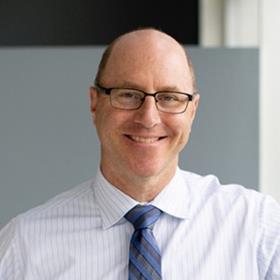
Tom Foti - Vice President, Scientific Partnerships, Aldevron
Co-founder of Aldevron’s Protein Business Unit (est. 2009) and currently serves as Vice President of Scientific Partnerships, where he works with biotechnology innovators to advance scientific and strategic initiatives. He previously spent 16 years leading the division as General Manager and Vice President, overseeing protein development and manufacturing for research, diagnostic, and therapeutic use, and helping grow it into a global provider. He also played a key role in building Aldevron’s CRISPR portfolio, supporting gene editing programs from early concept to clinical development. Tom holds a BSc in Biotechnology and Microbiology from North Dakota State University, an MBA from Edgewood College, and a Management Leadership Certificate from MIT.
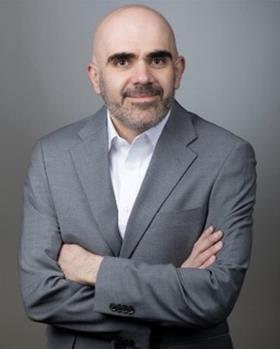
Sadik Kassim, Ph.D - Chief Technology Officer, Life Sciences Omics Solutions Group
He has held leadership roles at Vor Bio, Kite Pharma, Mustang Bio, and Novartis, where he drove development and manufacturing of advanced therapies including CRISPR-edited HSPC, CAR-T, and TCR-based treatments. Sadik has contributed to three approved CAR-T therapies—Kymriah, Yescarta, and Tecartus—and most recently to K-abe, the first patient-specific gene-edited drug delivered in just six months. He completed postdoctoral training at the National Cancer Institute, the University of Pennsylvania, and Johnson & Johnson, and holds a B.S. from Tulane University and a Ph.D. from Louisiana State University.
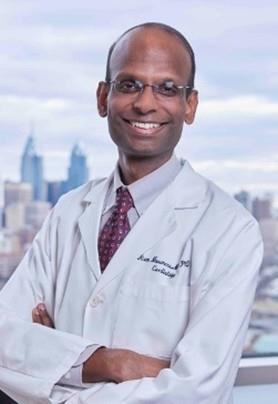
Kiran Musunuru, MD, PhD, MPH, ML - Associate Professor of Cardiovascular Medicine and Genetics in the Perelman School of Medicine at the University of Pennsylvania
Kiran’s research focuses on the genetics of heart disease and the development of gene-editing therapies, including a one-time “vaccination” approach to prevent heart attacks. An actively practicing cardiologist and educator, he trained at leading institutions including Harvard, Johns Hopkins, and Penn, and has received numerous honors such as the Presidential Early Career Award from President Barack Obama and major awards from the American Heart Association and other scientific organizations.
Scott Ripley - Vice President & General Manager, Nucleic Acid Therapeutics & Nanomedicine, Cytiva
Scott Ripley is a biotechnology executive with over two decades of experience in commercial strategy, bioprocessing, and advanced therapeutics. As Vice President of Nucleic Acids and Nanomedicine at Cytiva, he led the integration of Precision Nanosystems and is advancing solutions for mRNA, lipid nanoparticles, and emerging therapies. He previously held senior leadership roles at GE Healthcare, driving global bioprocess marketing and strategy, and also serves as Chairperson of the Board at Testa Center in Sweden. Scott holds a Ph.D. from the University of Cambridge and is focused on translating innovative science into impactful healthcare solutions.

Venkata Indurthi, Ph.D. - Chief Scientific Officer, Aldevron
Venkata Indurthi, PhD, is Chief Scientific Officer at Aldevron, where he leads scientific strategy and drives platform growth with a particular focus on RNA technologies. Since joining the company in 2016, he has held progressively senior roles across production, quality, and R&D. He holds a BSc in Biotechnology from SRM University and a PhD in Pharmaceutical Science from North Dakota State University, and has published and presented widely in his field.
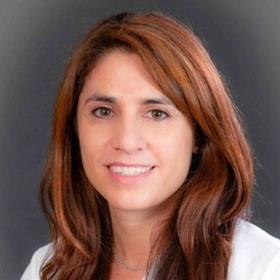
Patricia L Musolino MD, PhD - Associate Professor of Neurology, Harvard Medical School
Patricia Musolino, MD, PhD, is a neurocritical care and vascular neurologist specializing in neurogenetics and cerebrovascular disorders. She cares for patients in the ICU, Emergency Department, and Pediatric Stroke Clinic, and serves as Co-director of the Pediatric Stroke and Cerebrovascular Service. Her research focuses on how specific genetic mutations drive brain inflammation and stroke, using neuroimaging and gene-editing tools to study blood-brain barrier and cerebrovascular function. This work has led to a preclinical high-throughput drug screening platform and a phase II clinical trial. A former Mass General Brigham Neurology resident and neurocritical care fellow at MGH, she is junior faculty in Neurocritical Care, Stroke, and Child Neurology, with research supported by NINDS and recognized by multiple professional awards.
Is the panel discussion free?
Yes – there is no charge to watch the panel discussion, either live or on-demand.
When will the panel discussion take place?
The webinar will be taking place on 2nd June 2026
Can I watch it later?
The panel discussion will become available to watch on-demand shortly after the live webinar takes place.
How long will the panel discussion be?
This panel discussion will last up to an hour.
What do I need to watch this panel discussion?
All you need is a computer with an internet connection. We recommend using headphones if possible if you’re in an office environment.