



All Analytical Techniques articles – Page 12
-
 News
NewsA gentle squeeze: Scientists use physical force to transform stem cells into bone
Researchers at the National University of Singapore have discovered that physically squeezing stem cells through narrow spaces can trigger their transformation into bone-forming cells – potentially allowing for development of new bone repair therapies.
-
 News
NewsTargeting MAPK and PI3K/mTOR pathways halts ovarian cancer growth
A new preclinical study has combined two experimental drugs that effectively block ovarian tumour growth – a strategy that could lead to new treatments against this genetically complex cancer.
-
 News
NewsBile acid-enhanced liver organoids set to improve liver disease treatment
Researchers in Japan have developed long-lasting 3D liver organoids from stem cells by incorporating bile acids into the culture medium - offering a new model for studying chronic liver diseases.
-
 Article
NGS is evolving: collaboration and tech lead the way
Next-generation sequencing (NGS) is advancing fast – and it’s not happening in isolation. Strategic partnerships and automation are streamlining workflows and reshaping what's possible in genomics research.
-
 News
NewsMicroglia discovery offers clues to Alzheimer’s progression
Immune cells in the brain called microglia may hold the key to improving blood flow and tackling diseases like Alzheimer’s, new research from the University of Virginia suggests.
-
 News
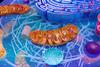
NewsMitochondria: melanoma’s hidden vulnerability
Scientists at Lund University have shown that aggressive melanoma tumours are driven by overactive mitochondrial processes – revealing a potential treatment strategy using drugs already approved for other conditions.
-
 Article
Fixing failed drugs: AI solutions for toxicity in drug discovery – part 1
Why do so many drug candidates fail before reaching patients – and can AI help stop the losses? In Part 1, Layla Hosseini-Gerami of Ignota Labs outlines the scope of the toxicity problem and explains why failures often come too late to fix.
-
 News
NewsCan skin heal like our mouth? A new study says it might
The mouth heals wounds rapidly - and without scarring. A new preclinical study has identified a unique molecular pathway responsible for this ability - which could lead to future skin healing therapies.
-
 Article
What single cells are revealing about brain disorders
Single-cell and spatial technologies are giving researchers an unprecedented view of how brain diseases like Alzheimer’s really work. The result? Faster discovery, clearer targets and a new path towards more effective treatments.
-
 News
NewsRapid cell reprogramming creates lung-like cells to combat COPD
Scientists from Nagoya University have developed a fast and safe method to create lung cells from skin-like fibroblasts - without using stem cells. This technique could allow for new regenerative therapies for diseases like chronic obstructive pulmonary disease (COPD).
-
 News
NewsSlowing intracellular transport boosts potential for RNA therapies
Researchers at the University of Basel and Roche have discovered that slowing the intracellular transport of RNA-based drugs significantly improves their therapeutic impact.
-
 Article
Fixing drug discovery’s most persistent problem with AI
AI will not replace drug discovery, but it might finally fix one of its most frustrating bottlenecks. Read how a targeted approach to ADMET is cutting through the noise.
-
 News
NewsNew mouse model mimics rare GRIN2D disorder
Researchers at Tel Aviv University have developed a new mouse model that accurately mimics a rare and severe genetic disorder caused by mutations in the GRIN2D gene – allowing for study of the disease’s progression and the testing of potential drug therapies.
-
 News
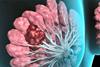
NewsLINC01235 identified as driver of aggressive breast cancer
Researchers at Cold Spring Harbor Laboratory have demonstrated that an obscure RNA molecule, LINC01235, plays a crucial role in the progression of aggressive triple-negative breast cancer (TNBC) – potentially allowing for the development of targeted therapies against it.
-
 News
NewsLeukaemia-on-a-chip mimics bone marrow for better CAR T testing
A new “leukaemia-on-a-chip” device replicates human bone marrow and immune interactions, enabling researchers to observe CAR T cell therapies in action - potentially allowing for more personalised treatment strategies for leukaemia patients.
-
 News
NewsQTX153 reverses Rett symptoms and crosses key drug delivery barrier
QTX153, a novel HDAC6 inhibitor, has shown significant symptom reversal in preclinical models of Rett syndrome. This represents progress toward a therapy for a condition with no approved options.
-
 News
NewsSmall molecule therapy improves islet transplant success in diabetes
A study from Weill Cornell Medicine shows that pre-treating pancreatic islet cells with a small molecule cocktail significantly improves survival after transplantation in type 1 diabetes models. The approach could help make donor cells go further and transplants more efficient.
-
 News
NewsVirtual cell model rankings just got a major upgrade
Shift Bioscience has published a new study introducing enhanced metrics and baselines for evaluating virtual cell models - boosting gene target discovery and accelerating its rejuvenation therapeutics pipeline.
-
 Article
Machine Learning and AI in Enhancing Image Analysis of 3D Samples
Want to understand the real impact of AI in 3D sample analysis? This episode cuts straight to how machine learning is accelerating research and overcoming current limitations.
-
 Article
Time for change: non-human primates in drug research
As ethical pressures and new regulations shake up preclinical research, the industry faces a turning point: can we finally move beyond non-human primates? Dr Mariana Argenziano, Associate Director Manufacturing Technologies at Ncardia, discusses the innovations reshaping drug development and what’s coming next.