



All Analytical Techniques articles – Page 14
-
 News
NewsReelin identified as key marker of cocaine-activated brain cells
Researchers at the University of Alabama have identified reelin, a glycoprotein known for its role in brain development, as a key regulator of neurons in the brain's reward centre, potentially making way for targeted therapies against cocaine use.
-
 Article
A spatial approach to understanding drug dynamics using mass spectrometry imaging
What if you could actually see where a drug travels in the body down to the cellular level. Find out how mass spectrometry imaging (MSI) is making that possible – reshaping drug development from the inside out.
-
 News
NewsSB000: a safer path to anti-aging therapies
Shift Bioscience has announced new aging research, highlighting the discovery of SB000. This novel single-gene target reverses cellular aging without activating dangerous pluripotency pathways.
-
 Article
Solving the disconnect between lab and data scientists: part 1
Lab scientists and data scientists often speak different languages and that miscommunication can slow down important research. In this interview, Ian Kerman shares how his team is working to break down those walls and spark better collaboration.
-
 News
NewsEngineered DNA aptamers outsmart viral infection pathways
EPFL scientists have engineered virus-inspired DNA aptamers that bind infection targets with record selectivity. This innovation could change how we diagnose and treat infectious diseases.
-
 News
NewsInside the immune ‘handbook’ set to disrupt fibrosis research
Nearly a billion people are affected by chronic organ scarring, yet treatments remain limited. Now, Duke-NUS researchers have compiled a scientific ‘handbook’ of immune cell insights that could fast-track breakthroughs in fibrosis therapy.
-
 News
NewsStatins repurposed for sepsis show life-saving potential
A new study suggests statins, cheap and widely used cholesterol drugs, could be repurposed to reduce the risk of death from sepsis. Researchers reported a 39 percent drop in 28-day mortality, highlighting their potential role in critical care.
-
 Webinar
Optimizing antibody leads in early drug discovery with key developability insights
Stop costly biologic failures. This masterclass reveals high-throughput strategies to optimize antibody leads upfront.
-
 Article
Automated red blood cell exchange: bridging treatment gaps in sickle cell disease care
Despite the promise of gene therapies, automated red blood cell exchange (aRBCX) remains an underutilised therapy in the management of sickle cell disease (SCD). In this article, Dr Aaron Haubner and Carly Newton of Terumo Blood and Cell Technologies, highlight the urgent need for partnerships and equitable access to this ...
-
 News
NewsAI targets protein linked to most human cancers
Scientists have used AI to design a molecule that disrupts a key protein interaction driving up to 70 percent of cancers - once thought impossible to drug.
-
 News
NewsChemical hack turns platelets into drug couriers
Researchers at the University of Illinois have achieved the first successful metabolic labelling of platelets, a key step toward using them in targeted drug delivery. The technique could enable short-lived, precision therapies for cancer, immune conditions, and clotting disorders. ...
-
 News
NewsWhy ATP signalling might change melanoma for good
A new study from Central South University reveals how adenosine phosphate signalling shapes the tumour microenvironment in melanoma, offering a new biomarker for guiding personalised cancer treatment.
-
 News
NewsNasal spray gene therapy shows potential to treat lung diseases
Researchers at Mass General Brigham have developed a new gene therapy delivery system, AAV.CPP.16, that targets the lungs via nasal spray, which could offer a potential breakthrough in respiratory gene therapy.
-
 Article
Tackling complex manufacturing challenges in modern drug development
Chief Scientific Officer at Solvias reveals how CROs are overcoming manufacturing challenges and harnessing AI to fast-track the development of groundbreaking cell and gene therapies.
-
 Article
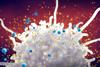
POLB 001: tackling cytokine storms before they start
Cytokine release syndrome (CRS) is a major barrier in cancer immunotherapy - but what if we could prevent it before it begins? Dr Liam Tremble, Principal Scientist at Poolbeg Pharma, discusses how POLB 001, an oral anti-inflammatory candidate, could offer a new way forward.
-
 News
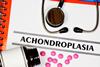
NewsNew investigational therapy shows promise for treating skeletal disorders
Tyra Biosciences has announced new data showing that its investigational therapy, TYRA-300, improves bone growth and corrects skeletal abnormalities in preclinical models of achondroplasia and hypochondroplasia.
-
 News
NewsTargeting PLA2G15 to treat neurometabolic disorders
Scenic Biotech and Stanford University have published a study identifying PLA2G15 as a new drug target in neurodegenerative and metabolic diseases, potentially enabling future treatments for conditions like Niemann-Pick type C.
-
 News
NewsK Navigator: an AI co-pilot transforming biomedical research
K Navigator, a new AI-powered research co-pilot, is set to transform biomedical science by helping researchers explore complex data and accelerate discoveries.
-
News
New data: Visugromab targets ADC resistance mechanism
CatalYm announces new preclinical data showing that its clinical-stage antibody, visugromab, can overcome resistance to antibody-drug conjugates (ADCs), showing potential to restore anti-tumour immune responses in solid tumours.
-
 Article
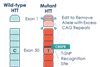
Allele-selective gene editing: a breakthrough in Huntington's disease treatment
Huntington's disease remains a major challenge, but allele-selective gene editing offers new hope. By targeting only the mutant gene, this approach could provide a one-time, durable treatment. Life Edit’s Dr Amy Pooler reveals how this innovative therapy could reshape HD treatment.