



All Analytical Techniques articles – Page 13
-
 News
NewsLiver organoids grow functional blood vessels in lab breakthrough
Scientists have successfully grown liver organoids with fully functional blood vessels- potentially allowing for the development of new treatments for haemophilia and liver disease.
-
 Article
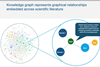
Future-proofing drug development with GenAI
Using GenAI and expert reasoning, drug developers can now explore an asset’s long-term potential as early as the preclinical stage. This shift is helping to reshape pipeline planning and refine therapeutic strategy.
-
 News
NewsMeet the hemifusome: a new organelle with big impact
Scientists have discovered a previously unknown organelle inside human cells - the hemifusome - that could change our understanding of rare genetic disorders.
-
 News
NewsProtein folding milestone achieved with quantum tech
Kipu Quantum and IonQ have set a new benchmark in quantum computing by solving the most complex protein folding problem ever tackled on quantum hardware – creating potential for real-world applications in drug discovery.
-
 Article
The AI model that is changing clinical trial design
AI is changing how clinical trials are run - quietly but significantly. Find out how digital twins are helping sponsors reduce control arms and accelerate development without changing trial endpoints.
-
News
Key to potential new Alzheimer’s drugs found in sugar enzyme
A new study reveals that blocking the enzyme ST6Gal-I reduces toxic plaque buildup in Alzheimer’s disease by suppressing BACE1 expression - highlighting a new target for future treatment strategies.
-
 News
NewsBird flu is changing - AI might help us keep up
Researchers at the University of North Carolina at Charlotte have used artificial intelligence to look at how the H5N1 bird flu virus is evolving to evade the immune system - insights that could make way for development of effective future therapies.
-
 News
NewsProgramming immunity from within: in-body generation of CAR T cells
Researchers have developed a new method to generate CAR T cells directly inside the body using targeted lipid nanoparticles that deliver mRNA to T cells - offering a safer, faster and more accessible alternative to traditional cell therapies for cancer and autoimmune diseases.
-
 Article
The biotech mapping thousands of hidden therapeutic clues
Think drug discovery is slow? This biotech is moving faster, smarter and deeper – by asking the question that no one else has.
-
 News
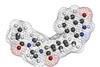
NewsWhy PARP inhibitors fail: key role of the CST complex in BRCA1-deficient cancers
Researchers from UT Health San Antonio have identified the CST protein complex as a key driver of resistance to PARP inhibitors in BRCA1-deficient cancers – which could lead to more personalised treatments for breast, ovarian and prostate cancer patients.
-
 News
NewsNew drug combo targets colorectal cancer mutation
Dr Justin Taylor of Sylvester Comprehensive Cancer Center has identified a promising drug combination that shrinks colorectal tumours in preclinical models.
-
News
New discovery shows how viral vectors release genes in therapy
Researchers at The University of Osaka have found how structural changes in the VP1 protein of AAV vectors trigger genome release - offering insights for improving the safety, efficiency and stability of gene therapy delivery systems.
-
 News
NewsExperimental drug targets gene driving severe seizures in children
Researchers at the Fralin Biomedical Research Institute are developing a targeted KCNT1 inhibitor that has shown early promise in reducing seizures in preclinical models.
-
 News
NewsNew nanoparticle enhances cancer drug penetration
Researchers at Southern Medical University have developed a self-propelled ferroptosis nanoinducer that penetrates deeper into tumour tissues - offering a new strategy for safer and more effective cancer treatment.
-
News
New polymer boosts mRNA vaccine safety
A new material developed at Cornell University offers a more effective way to deliver mRNA vaccines by replacing polyethylene glycol (PEG) with a water-loving polymer poly(carboxybetaine) (PCB).
-
News
Scientists discover enzymes that redefine glycan pathways
Researchers at Tokyo University of Science have identified three new enzyme families that degrade the complex bacterial carbohydrate β-1,2-glucan – offering new opportunities for enzyme engineering.
-
 Article
Rethinking antibody discovery in the age of automation
James Atwood, COO of Opentrons, shares how accessible lab automation is helping research teams tackle tighter budgets, faster timelines and complex discovery workflows.
-
 Article
Pain relief without the risk: why SRP-001 could change everything
A practicing surgeon turned biotech CEO is developing a novel pain medicine that could sidestep the failures of both opioids and paracetamol.
-
 News
News3D model reveals hidden drivers of smell regeneration
Scientists have developed a simple- 3D mouse tissue model to study how the nose regenerates smell-sensing neurons. The goal is to create an organoid system that can be used to screen potential therapies for smell loss.
-
 Article
The next phase of the multiomics evolution, powered by AI
Genomics laid the foundation for precision medicine, but on its own, it offers only part of the picture. This article explores how integrated multiomics can provide the deeper biological context needed to drive more effective therapies forwards.