

All Cancer articles – Page 13
-
 News
New drug combo targets PRMT5 to fight deadly cancers
Scientists at Virginia Tech’s Fralin Biomedical Research Institute have identified a promising drug target – PRMT5 – that could make treatment-resistant lung, brain and pancreatic cancers more vulnerable to therapy.
-
 Article
Antibodies come full circle: biopharma back at the bench
Recombinant antibody technology is redefining research standards - bringing biopharma-grade precision, consistency, and customisation to the lab. Discover how advances like Fc engineering and chimerisation are accelerating progress from basic discovery to clinical insight.
-
 News
Scientists discover neuron-like communication in gut cells
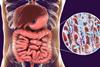
Scientists in Singapore have discovered that gut support cells – known as telocytes – use neuron-like extensions to deliver signals directly to intestinal stem cells. This could lead to new treatments for diseases such as inflammatory bowel disease and colon cancer.
-
 Article
From lab to clinic: the rise of Radio-DARPins in oncology
As radioligand therapy continues to show promise, its application in solid tumours remains limited by long-standing biological challenges. In this interview, Julien Torgue, CSO at Orano Med, discusses a new collaborative platform – Radio-DARPins – and how it could help overcome key barriers to clinical progress.
-
 News
Deep-sea sugar EPS3.9 sparks immune attack on tumours
Scientists have isolated a sugar molecule from deep-sea bacteria that triggers pyroptosis - a form of inflammatory cell death - to halt tumour growth - highlighting the potential of marine microbes in drug development.
-
 News
New sticky material mimics gecko feet to fight tumours
Inspired by the gecko lizard’s grip, scientists at CU Boulder have developed a sticky, biodegradable material that clings to tumours and delivers chemotherapy drugs over several days.
-
 News
Smart nanogels help CAR-T cells penetrate tumours
Researchers in China have developed a next-generation CAR-T cell therapy armed with nanogels that can penetrate the dense barriers of solid tumours. This addresses a major limitation in the treatment of solid cancers with immunotherapy.
-
 News
New AI model PROTsi identifies aggressive tumours using protein markers
Researchers in Brazil and Poland have developed an AI-powered tool that predicts cancer aggressiveness by analysing protein expression - offering new insights into tumour behaviour.
-
 Article
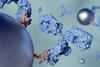
Designing antibodies to think before they bind
Standard antibody therapies bind their target and trigger a response. But what if the real breakthrough is designing antibodies that first recognise context before they act? This article looks at how bispecifics are becoming smarter, more selective and more precise.
-
 News
€15M-backed tech targets tumour complexity
Paris-based One Biosciences, a precision oncology biotech company, has raised €15 million in Series A financing to accelerate the development of its AI-powered single-cell tumour profiling platform.
-
 News
How a PRL3-targeting cancer drug could help millions see again
Singapore researchers have found that cancer drug PRL3-zumab shows strong potential for treating wet age-related macular degeneration and diabetic retinopathy - two leading causes of blindness worldwide.
-
 Article
Outsmarting immune suppression through GPCR innovation
Immune resistance is one of cancer’s toughest tricks. By rethinking how we target GPCRs, scientists may finally have a way to modulate it with precision.
-
 News
Targeting MAPK and PI3K/mTOR pathways halts ovarian cancer growth
A new preclinical study has combined two experimental drugs that effectively block ovarian tumour growth – a strategy that could lead to new treatments against this genetically complex cancer.
-
 News
Dual CAR-T cell therapy targets T-ALL with precision
A new dual CAR-T cell therapy targeting two tumour-specific proteins in T-cell Acute Lymphoblastic Leukaemia (T-ALL) has been developed – meaning effective treatment for this aggressive blood cancer could soon become a reality.
-
 Article
NGS is evolving: collaboration and tech lead the way
Next-generation sequencing (NGS) is advancing fast – and it’s not happening in isolation. Strategic partnerships and automation are streamlining workflows and reshaping what's possible in genomics research.
-
 News
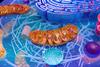
Mitochondria: melanoma’s hidden vulnerability
Scientists at Lund University have shown that aggressive melanoma tumours are driven by overactive mitochondrial processes – revealing a potential treatment strategy using drugs already approved for other conditions.
-
News
Gene therapy boosts CAR-T power against glioblastoma
Researchers at SR-TIGET in Milan have developed a novel gene therapy approach that supercharges CAR-T cell therapy against glioblastoma – strengthening treatment against one of the world’s deadliest brain cancers.
-
 News
Rapid cell reprogramming creates lung-like cells to combat COPD
Scientists from Nagoya University have developed a fast and safe method to create lung cells from skin-like fibroblasts - without using stem cells. This technique could allow for new regenerative therapies for diseases like chronic obstructive pulmonary disease (COPD).
-
 News
LINC01235 identified as driver of aggressive breast cancer
Researchers at Cold Spring Harbor Laboratory have demonstrated that an obscure RNA molecule, LINC01235, plays a crucial role in the progression of aggressive triple-negative breast cancer (TNBC) – potentially allowing for the development of targeted therapies against it.
-
 News
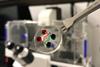
Leukaemia-on-a-chip mimics bone marrow for better CAR T testing
A new “leukaemia-on-a-chip” device replicates human bone marrow and immune interactions, enabling researchers to observe CAR T cell therapies in action - potentially allowing for more personalised treatment strategies for leukaemia patients.