



All Cancer articles – Page 10
-
 News
NewsFibroblast mapping reveals potential universal drug targets
Scientists have mapped the diversity of fibroblasts and discovered how ‘rogue’ fibroblasts drive multiple diseases, revealing drug targets that could transform treatments across the body.
-
 Article
PDX models are back – and they’re exposing what cell lines missed
As cancer drugs continue to fail in translation, researchers are turning back to patient-derived xenograft (PDX) models – this time with better science. Could they be the missing link between the lab and the clinic?
-
 News
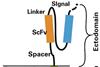
NewsAnti-linker antibodies: a universal key for CAR-T detection
Every new CAR-T needs a new detection tool – until now. Anti-linker antibodies could change how researchers develop and track these therapies.
-
 News
NewsMelanoma research: targeted drug duo reactivates immune response
Researchers at Sutter’s California Pacific Medical Center have discovered a potential new treatment strategy for melanoma patients who stop responding to immunotherapy.
-
 Article
Better assays: the key step in moving drugs from lab to clinic
From gene therapy to Long Covid, better assays are helping researchers move promising drug candidates from early studies into clinical trials. Dr Alexandre Lucas explains the technologies, challenges and innovations driving this progress.
-
 News
NewsHow circulating tumour cell organoids are transforming oncology
Circulating tumour cell (CTC)-derived organoids are changing cancer research, providing scientists with a powerful tool for studying drug resistance and informing the development of new personalised therapies.
-
 News
NewsTumour stress drives T cell exhaustion – antioxidants may reverse it
A new research study has discovered that targeted antioxidants could restore T cell function – offering a potential boost for cancer immunotherapies like CAR-T.
-
News
Single-cell technique tracks boron in live tumour cells
Researchers at the University of Birmingham have developed a single-cell technique to track boron inside live tumour cells – making Boron Neutron Capture Therapy more effective in treating head and neck cancers.
-
 News
NewsNew SMART tool maps RNA modifications to tackle cancer and infections
Researchers have developed the first high-throughput tool to rapidly profile RNA modifications – a breakthrough that could lead to more precise treatments for cancer and antibiotic-resistant infections.
-
 Article
CAR T’s biggest hurdle: solving the toxicity problem
CAR T therapies are saving lives, but toxicities such as CRS and ICANS remain a major barrier. What will it take to overcome them?
-
 Article
Making sense of AI: bias, trust and transparency in pharma R&D
AI is increasingly used in drug discovery, but hidden bias and ‘black box’ models threaten trust and transparency. This article explores how explainable AI can turn opaque predictions into clear, accountable insights.
-
 News
NewsBlocking GPNMB may halt triple-negative breast cancer progression
A new study has revealed that the protein GPNMB alters immune cells to aid cancer spread – pointing to the GPNMB-Siglec-9 pathway as a potential target for future treatments.
-
 Article
Lab of the future: four technologies to watch
From precision proteomics to AI-powered immune profiling, next-generation laboratory technologies are changing how new therapies are discovered and developed. Here are four innovations set to shape the lab of the future - and the future of drug discovery.
-
 News
NewsBreakthrough glioblastoma research wins £400k charity funding
King’s College London and Medicines Discovery Catapult have secured £400,000 from The Brain Tumour Charity to fast-track a new drug delivery approach for glioblastoma, the most aggressive brain cancer. The project will support preclinical studies to move potential treatments closer to patients.
-
 News
NewsFeline cancer breakthrough could help treat human tumours
Researchers have tested a new cancer drug in pet cats with head and neck squamous cell carcinoma – a disease notoriously hard to treat. The trial showed the therapy controlled cancer in 35 percent of cats with minimal side effects – and it could help to treat humans too.
-
 Article
Gene therapies that listen and respond: the power of RNA regulation
Most gene therapies rely on static DNA promoters to control gene activity, but nature uses far more sophisticated tools. Dr Matthew Dale explores how harnessing RNA-level control could enable treatments that sense and respond in real time, offering unprecedented precision and safety.
-
 News
NewsDNA organiser STAG3 could advance infertility and cancer research
Kyoto University researchers have discovered a new DNA-organising protein complex called STAG3-cohesin – a protein that appears in human B cells and blood cancers. This discovery could potentially lead to new approaches for treating infertility and certain cancers.
-
 News
NewsNew M13 virus method could change future genetic treatments
Researchers at the University of Waterloo have developed a modified bacterial virus that can deliver gene therapies cheaper and more efficiently – moving us closer toward personalised, affordable genetic medicine.
-
 Article
What if drug discovery took months, not decades?
Drug discovery is slow, costly and often unsuccessful. DTR hears how GATC Health is applying AI and multiomics to make the process faster, more precise and less reliant on trial and error.
-
 Article
How to select the optimal bispecific antibody format for therapeutic success
Choosing the right bispecific antibody format can make or break your therapy’s success. This article explores how format impacts function, manufacturability and development strategy - helping you make the best choice from the start.