



All Cancer articles – Page 15
-
 Article
Next-gen ADCs: Tubulis sets new standard in cancer treatment
Tubulis, led by CEO Dominik Schumacher, is advancing cancer treatment through next-generation antibody-drug conjugates (ADCs) designed to target solid tumours more effectively. Find out how the company is rapidly progressing its ADC pipeline to offer more precise and lasting treatment options for patients.
-
 Article
LB-102: Redefining schizophrenia treatment in drug discovery
Find out how LB Pharmaceuticals' LB-102 is advancing schizophrenia treatment. This first-in-class antipsychotic demonstrates strong efficacy, safety and tolerability, potentially addressing both acute and negative symptoms. Explore its potential impact on neuropsychiatric drug discovery.
-
 Article
Pioneering cellular therapies for age-related diseases
Discover how Immorta Bio's cellular therapies are addressing cancer and liver failure, with the potential to transform healthcare.
-
 News
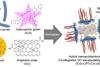
NewsBacteria-boosted nanoparticles offer a triple threat against cancer
A new cancer therapy combines multiple treatment strategies into a single graphene oxide-based nanocomposite. It uses bacterial components to enhance immune response and scalability, creating a powerful and cost-effective approach to tackling tumours.
-
 Webinar
Cancer drug discovery breakthroughs: research that’s changing lives
Watch this roundtable with cancer experts on breakthroughs in targets, models and therapies transforming early-stage oncology discovery.
-
 Article
Early evidence and emerging trends: How AI is shaping drug discovery and clinical development
Drug development is plagued by high costs, long timelines and low success rates, but what if AI could change that? Read on to discover real-world examples and explore the transformative potential of AI in drug development.
-
 Article
The rising impact of biomarkers in early clinical development
Dr Cyril Clarke at ICON Biotech reveals how biomarkers are transforming early-phase clinical trials by offering valuable insights into the safety and efficacy of novel therapies.
-
 Article
Advancements in hit identification for membrane protein drug discovery
GPCRs are crucial drug targets, but their complex structures present significant challenges in drug discovery. In this article, Domainex’s Philip Rawlins explores how fragment-based screening and innovative technologies like PoLiPa are helping to overcome these hurdles, with a focus on the Adenosine A2a receptor.
-
 News
NewsPSPC1 knockout slows AML in preclinical models
Scientists at UT Health San Antonio have identified PSPC1 in mouse models as a promising new drug target for acute myeloid leukaemia (AML), a deadly blood cancer with limited treatment options.
-
 News
NewsNew melanoma therapy prevents brain metastasis in preclinical studies
A government-funded research team has identified focal adhesion kinase (FAK) as a key driver of melanoma metastasis to the brain. This discovery could revolutionise treatment by not only addressing the condition but also preventing its spread to the brain.
-
 News
NewsTract Bio identifies drug targets for oesophageal cancer
Tract Bio’s new research reveals key insights into the evolution of oesophageal adenocarcinoma (EAC) and identifies promising drug combinations for more effective treatment.
-
 Article
Why DNA Damage Response deserves renewed focus in cancer therapy
As cancer therapies evolve, a critical opportunity is emerging in the form of DNA Damage Response (DDR) research. With breakthroughs in genomics, drug delivery and AI, DDR pathways are set to overcome resistance and alter treatment strategies. Find out why now is the perfect moment to refocus on DDR, and ...
-
 News
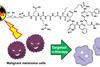
NewsNovel radioactive drug targets aggressive metastatic melanoma
Scientists in Japan have developed a new radioactive drug that emits alpha particles, showing promise for targeting metastatic melanoma - an aggressive skin cancer resistant to many conventional treatments.
-
 News
NewsNew research offers hope for high-grade glioma treatment
High-grade glioma, an aggressive brain cancer affecting both paediatric and adult patients, remains difficult to treat. A collaborative study from the University of Michigan, Dana-Farber Cancer Institute, and the Medical University of Vienna reveals a promising new treatment approach.
-
 News
NewsNanoparticle therapy shows potential to prevent spread of pancreatic cancer to liver
Pancreatic cancer is notoriously hard to treat, especially when it spreads to the liver in advanced stages. Researchers at UCLA’s California NanoSystems Institute (CNSI) have developed an innovative nanoparticle technology to tackle this challenge.
-
 Article
Abelacimab: the next frontier in safer anticoagulation therapy
Abelacimab represents a breakthrough in drug discovery, offering a novel approach to anticoagulation that could potentially prevent strokes with minimal bleeding risk. Learn how this innovative treatment could set new standards for both clinical practice and pharmaceutical research.
-
 News
NewsBeckman Coulter Life Sciences and Rarity Bioscience partner to advance oncology research
Beckman Coulter Life Sciences, a global leader in laboratory automation and innovation, has partnered with Rarity Bioscience to introduce a groundbreaking approach to oncology research.
-
 News
NewsDiabetes drug found to protect heart during cancer treatment
A commonly prescribed diabetes medication could significantly enhance long-term recovery prospects for cancer patients by reducing their risk of heart failure, a new study from the University of East Anglia (UEA) reveals.
-
 Article
Refining and targeting exatecan with ADC technology
DTR speaks with Dr Patrick van Berkel at ADC Therapeutics to discuss how the company is transforming exatecan delivery to achieve better health outcomes.
-
 Article
The future of cell therapy: scaling production for global reach
Scaling up cell therapy is no easy feat. PluriCDMO's Andy Lewin reveals the critical factors for success and how they are helping companies bring life-saving therapies to market.