



All Cancer articles – Page 19
-
 News
NewsGenetic variants influencing SR B-ALL relapse risk identified
Genome and transcriptome sequencing revealed that subtypes such as TCF3/4::HLF were associated with an increased risk of relapse.
-
 News
NewsMelanoma: predicting immunotherapy-induced side effects
Increased gene activity in the SYK pathway could be the basis of a blood test to identify melanoma patients most susceptible to severe side effects.
-
 Article
Out of the lab and into patients: targeting APE1/Ref-1
We had the privilege of speaking to Dr Mark R. Kelley, Associate Director of Basic Science at the Indiana University Melvin and Bren Simon Comprehensive Cancer Center, and Betty and Earl Herr Professor in Pediatric Oncology Research, prior to his talk at PharmSci 360 in 2024. He elucidates what makes ...
-
 News
NewsProstate cancer: delaying resistance to hormone therapy
Researchers have developed a new form of immunotherapy that could provide a longer life expectancy to men with prostate cancer.
-
News
Improving the effectiveness of immunotherapy for glioblastoma
Researchers utilised AI to identify genes that reprogramme GBM cancer cells into dendritic cells within the tumour.
-
 News
NewsElucidating MDLC’s molecular features
The study’s results indicate that spatial sequencing of mixed-type breast cancers could inform personalised treatment.
-
 News
NewsTreating HCC with genetically modified NK-cell therapy
Blocking the TGF-β signalling pathway produced effective antitumour activity against hepatocellular carcinoma.
-
 Article
Liquid biopsy helps advance oncology drug development
In this exclusive interview with Elicio Therapeutics, we explore the transformative potential of liquid biopsy in oncology drug development, particularly spotlighting its application in Elicio’s AMPLIFY-201 study of ELI-002, a promising therapeutic cancer vaccine candidate.
-
 News
NewsThe emergence of targeted alpha therapy for glioblastoma
Targeted alpha therapy shows promising preclinical results, increasing survival rate by 36.4 percent in recurrent tumours.
-
 News
NewsPredicting persistent taxane-induced peripheral neuropathy
Researchers have developed a prediction model to ascertain breast cancer survivors’ risk of persistent taxane-induced peripheral neuropathy.
-
 Article
Could illuminating the surfaceome help find new targeted cancer therapies?
At the heart of precision oncology is the need to increase our understanding and knowledge of surface proteins found on tumour cells. Here Roman Thomas, CEO of DISCO Pharmaceuticals, explains how it is using cutting-edge technology to explore the surfaceome – a map of the proteins on the cell’s surface ...
-
 News
NewsOvercoming chemotherapy resistance in pancreatic cancer
Researchers have discovered that pancreatic cancer’s resistance to chemotherapy is related to the physical stiffness of the extracellular matrix.
-
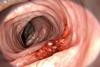 Article
How MMR-deficient colorectal cancers regulate their growth
Understanding how MMR-deficient colorectal cancers drive tumour growth and avoid immune detection could pave the way for personalised cancer medicine.
-
 News
NewsPredicting pancreatic cancer metastasis
Molecular, cellular and metabolic analyses of liver biopsies identified markers that may predict subsequent metastasis of pancreatic cancer.
-
 News
NewsAI tool identifies high-risk subtype of endometrial cancer
The tool identified patients with high-risk disease, which normally goes unrecognised by traditional diagnostics.
-
 News
NewsNovel inhibitor developed to combat HER2-positive breast cancer
The inhibitor, HVH-2930, effectively induced apoptosis in breast cancer cells without initiating the heat shock response.
-
 News
NewsAssessing the risk of HCC with machine learning
A novel screening tool may increase the five-year survival rate of hepatocellular carcinoma patients to 90 percent.
-
 News
NewsNew 3D genomic profiling technique details PanINs
Researchers have developed a 3D approach to improve the characterisation of pancreatic intraepithelial neoplasias.
-
 Article
New algorithm forms atlas of histomorphological phenotypes
The algorithm can accurately diagnose cases of lung adenocarcinoma, determining structural features that are statistically most significant for assessing disease severity and likelihood of tumour recurrence.
-
 Article
A T cell receptor immunotherapy against a novel target
In this Q&A, Associate Director, Research at Immunocore, Dr Ana Pereira Ribeiro, talks about IMC-R117C, a T cell receptor bispecific immunotherapy directed towards a novel target, PIWIL1, and about to enter Phase I testing in colorectal and gastrointestinal cancers.