



All Cancer articles – Page 21
-
 News
NewsTargeting RAS to overcome FLT3 AML drug resistance
It was discovered that targeting RAS proteins prevent cancer cells from using different signalling pathways to escape cell death.
-
 News
NewsDrug-loaded 3D printed films could revolutionise liver cancer treatment
The new films killed over 80 percent of cancer cells, reduced recurrence rates and minimised undesirable chemotherapy side effects.
-
 News
NewsExplaining uveal melanoma’s resistance to conventional immunotherapies
Researchers have developed a new tool called ‘Uveal Melanoma Immunogenic Score’ to predict which patients will respond to adoptive therapy.
-
 News
NewsNew screening method for HPV-positive head and neck cancer
A urine-based test that detects ctDNA from HPV-positive head and neck cancers could facilitate its early detection.
-
 Article
The immune system’s role in lung cancer risk
In this Q&A, Ichan Mount Siani researchers Dr Diego Chowell and Dr Robert Samstein share their new insights about the associations between human leukocyte antigen (HLA) class II loci and lung cancer risk.
-
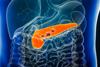 News
NewsElucidating the mechanism that initiates cancer cachexia
The new findings could lead to new therapeutics and a method to diagnose pancreatic cancer earlier, improving its prognosis.
-
 News
NewsMelanoma tumours produce altBRAFs by genomic deletions
The discovery that genomic deletions cause altBRAFs can help develop new therapies to overcome drug resistance in BRAF-mutant melanoma.
-
 News
NewsProteogenomic signatures: metastatic prostate cancer risk
Mutation signatures and recurrent copy number alterations correlated with a higher risk for disease progression.
-
 News
NewsLink identified between bacteria and cancer treatment efficacy
Researchers mapped the bacteria present in over 4000 metastatic tumour biopsies, which could enable the exploration of new treatments.
-
News
B-ALL: combination therapy effectively controls high-risk subtypes
The combination therapy worked faster and was lessened the number of leukaemia cells compared to asparaginase or venetoclax alone.
-
Article
HIF inhibition: a potential therapeutic approach for cancers
In this Q&A, Curve Therapeutic’s Chief Scientific Officer Professor Ali Tavassoli discusses how dual HIF inhibition could combat solid tumours.
-
 Article
Using AI to predict metastatic behaviour of NSCLC
Dr Richard Cote and Dr Ramaswamy Govindan of the Washington University School of Medicine elucidate how AI, particularly deep learning networks, could identify histopathologic features in non-small cell lung cancer, and impact the treatment approach for early-stage patients.
-
 News
NewsCombatting T-cell tumours with antibody drug conjugates
One treatment with the anti-TRBC1-SG3249 ADC combination saw cancer elimination within seven days in mouse models.
-
 News
NewsReversing malignant cancer cells to a normal state
A new proof-of-principle study demonstrates the DCAF5 protein is a promising target, which could avoid the need for toxic therapies.
-
News
MUTYH variants implicated in a broader range of cancers
The discovery that one missing copy of MUTYH could increase the risk of cancers may lead to therapeutics against solid tumours.
-
 Article
Breaking resistance – the future of immunotherapy in oncology
In this episode, we explore the current status and potential solutions to addressing major hurdles in oncology.
-
 News
NewsThe first core regulatory circuit identified for ALCL
New understanding of the CRC and its interaction with STAT3 could lead to novel therapeutics and combination strategies.
-
 News
NewsNew strategies to overcome CAR T-cell resistance in AML cells
Pharmacological concomitant therapies or further genetic improvement of CAR T-cells can increase their effectiveness against TP53-mutant AML cells.
-
 News
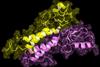
NewsThe mechanism of PARP inhibitor action is identified
New findings will enable the development of safer PARP inhibitors that inhibit PARP’s enzymatic activity without trapping it on DNA.
-
 News
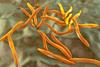
NewsExact bacterial lineage associated with colorectal cancer pinpointed
Researchers have discovered two distinct lineages of Fusobacterium nucleatum, which has great implications for colorectal cancer screening and therapeutics.