



All Cancer articles – Page 22
-
 News
NewsPotential for personalised, molecularly guided UTUC treatments
The findings from DNA and RNA sequencing in primary and metastatic UTUC tumours could lead to strategies to improve patient outcomes.
-
Article
The advancement of drug-free immunotherapy
Researchers have created a neutrophil therapy, involving micropatches that maintain the cells’ antitumour state, which could offer significant clinical and commercial value.
-
Article
Optimised antibody panels for CTC and rare cell enumeration
Despite significant strides in cancer research, metastasis remains the primary cause of cancer-related mortality globally. Joby Chesnick and Tracey Long, from the Digital Biology Group and Life Science Group, respectively, at BioRad Laboratories, reveal how investigation into circulating tumour cells (CTCs) and other rare cell types has led to the ...
-
 News
NewsNew link between FBXW7 mutations and EGFR signalling identified
The Organoid Group have discovered a link between FBXW7 mutations and the EGFR signalling pathway, which could improve colorectal cancer treatments.
-
 News
NewsTargeting cancer cells in early hypoxia
Inhibiting the LDHA and GOT1 enzymes could prevent cancer cells’ ability to produce energy, without affecting healthy cells.
-
 News
NewsTargeting Inc-HLX-2-7 shrinks group 3 medulloblastoma tumours
An intravenous treatment to block lnc-HLX-2-7 from binding to the HLX promoter shrunk medulloblastoma tumours, prolonging survival in mice.
-
 News
NewsP47 suppresses metastasis of HER2-positive breast cancer
Results from an in vivo CRISPR knockout screen, targeting genes involved in autophagy, could lead to new therapies.
-
News
How fusion proteins drive paediatric cancer
Researchers discover that fusion proteins and a gene regulatory protein complex interact through disordered domains.
-
 News
NewsNew algorithm identifies high-risk precancerous lesions
Researchers have developed an algorithm which could improve diagnostics of ovarian high-grade serous carcinoma.
-
 Article
Breakthrough for pancreatic cancer treatment
Researchers have designed the first small molecule drug targeting K-Ras GD12, which could improve pancreatic cancer outcomes.
-
 Article
Scalable precision design targeting complex product profiles
We had the privilege of speaking to Dr Víctor Sebastián Pérez, Associate Director of Computational Drug Design, following his presentation at ELRIG UK 2023. He shares his insights into how Exscientia is using AI to design drug candidates for cancer treatment.
-
 News
NewsPotential new treatment options for KSHV-associated cancers
Treatment with Palbociclib and a compound targeting CAD increased survival to 100 percent for selected lymphoma cell lines.
-
News
Defining the senescence profile of colon fibroblasts
Researchers have generated a SASP atlas of human colon fibroblasts and assessed the resulting transcriptome.
-
 Article
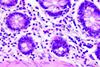
Colon cancer: distinct transcriptional programmes identified
Researchers elucidate the significant role of CDX2 in regulating stemness and differentiation, particularly in the proximal colon’s epithelial cells. This research encourages new combinations of existing drugs, that inhibit both the BRAF and KRAS genes, to be explored.
-
 News
NewsInsights into the toxicological effects of nanoparticles
Researchers have developed a system that enabled quantitative assessment of cytotoxicity of SiNPs in human hepatoma cells.
-
 News
NewsNovel tool to rapidly diagnose sarcoidosis
A highly specific blood test can differentiate between patients with sarcoidosis and other respiratory conditions, like TB or lung cancer.
-
 News
NewsPotential for targeted therapies based on the gigaxonin pathway
Researchers have discovered that higher expression of gigaxonin suppresses aggressive growth of human head and neck cancer cells.
-
 News
NewsNewly discovered role of AF1q in neuroblastoma
Researchers have identified that AF1q is highly expressed in neuroblastoma, and could be used to destabilise N-Myc.
-
 Article
Mediating BRAF-mutant melanoma resistance
In this Q&A, esteemed Dr Rhoda Alani discusses the epigenetic landscape of therapy resistant melanomas and elucidates how corin treatment impacts the reprogramming of melanoma cell phenotypes. The findings suggest a new treatment paradigm for melanoma which could also be relevant to targeted therapy resistance mechanisms for other cancer types.
-
 News
NewsA promising new treatment strategy for hepatoblastoma
A combination therapy of vincristine, irinotecan and panobinostat, tested in high-risk, relapsed or refractory HB spheroids, decreased tumour marker levels.