



All Cancer articles – Page 14
-
 News
NewsWhy ATP signalling might change melanoma for good
A new study from Central South University reveals how adenosine phosphate signalling shapes the tumour microenvironment in melanoma, offering a new biomarker for guiding personalised cancer treatment.
-
 Article
New fixed-duration therapy could reshape CLL care
Advancements in chronic lymphocytic leukaemia (CLL) treatment, like the AMPLIFY Phase III trial combining acalabrutinib and venetoclax, offer less toxic and more effective options. Learn from AstraZeneca’s Benjamin Moutier about how this breakthrough highlights the potential of targeted therapies to improve outcomes and reduce treatment burden, marking a key moment ...
-
 Article
Transforming cancer care through clinical excellence
Melika Davis at BeOne reflects on the inspiration and drive that has helped her forge a successful career in clinical operations.
-
 News
NewsNew biobank offers hope for sufferers of dry mouth
Mayo Clinic researchers have created the world’s first biobank of human salivary gland tissue-organoids, offering a resource for developing regenerative therapies to treat chronic dry mouth.
-
 Article
POLB 001: tackling cytokine storms before they start
Cytokine release syndrome (CRS) is a major barrier in cancer immunotherapy - but what if we could prevent it before it begins? Dr Liam Tremble, Principal Scientist at Poolbeg Pharma, discusses how POLB 001, an oral anti-inflammatory candidate, could offer a new way forward.
-
 News
NewsK Navigator: an AI co-pilot transforming biomedical research
K Navigator, a new AI-powered research co-pilot, is set to transform biomedical science by helping researchers explore complex data and accelerate discoveries.
-
 News
NewsTargeting the clock: new drug disrupts glioblastoma stem cells
Scientists have developed a new drug, SHP1705, that targets hijacked circadian clock proteins used by glioblastoma stem cells to grow and resist treatment.
-
News
New data: Visugromab targets ADC resistance mechanism
CatalYm announces new preclinical data showing that its clinical-stage antibody, visugromab, can overcome resistance to antibody-drug conjugates (ADCs), showing potential to restore anti-tumour immune responses in solid tumours.
-
 News
NewsEnedra secures funding to advance AI-driven cancer platform
Enedra Therapeutics has secured new funding to advance its AI-driven CASPAROV platform, aimed at developing therapies for difficult-to-treat cancers
-
 News
NewsNew plasma therapy fights aggressive soft tissue cancer
Researchers at Osaka Metropolitan University have found that plasma-activated medium (PAM) significantly reduces synovial sarcoma tumour growth in both lab and animal models, offering a promising new approach for treating this rare and aggressive cancer.
-
 Article
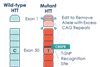
Allele-selective gene editing: a breakthrough in Huntington's disease treatment
Huntington's disease remains a major challenge, but allele-selective gene editing offers new hope. By targeting only the mutant gene, this approach could provide a one-time, durable treatment. Life Edit’s Dr Amy Pooler reveals how this innovative therapy could reshape HD treatment.
-
 Article
Optimising analytical strategies for ADC development
Antibody-drug conjugates (ADCs) are transforming cancer therapy by enabling targeted drug delivery with minimised side effects, but their complex structure presents unique challenges in bioanalysis.
-
 News
NewsScientists develop immunotherapy to disarm fat-fuelled tumours
A new study reveals how tumours hijack fat metabolism to suppress immune responses - and how a novel antibody, PLT012, may reverse this effect, offering new hope for treating immunotherapy-resistant cancers.
-
 Article
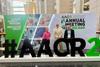
AACR 2025: translating research into real-world impact
From first-in-human trial results to emerging AI tools and patient-focused innovations, AACR 2025 offered a clear snapshot of where cancer research is heading. Drug Target Review was on the ground in Chicago to explore the clinical data, technologies, and conversations shaping cancer drug development.
-
 News
NewsNew dual-targeting strategy shows promise in treating pancreatic cancer
Researchers at the University of Michigan have discovered a powerful combination therapy that eradicates pancreatic tumours in preclinical models, offering hope for new treatments against one of the most treatment-resistant cancers.
-
 News
NewsBlocking nitrosylation boosts treatment for NRAS melanoma
Researchers at Moffitt Cancer Center have discovered that blocking a chemical process called nitrosylation can make aggressive NRAS-mutant melanoma more responsive to treatment.
-
 Article
AI in drug discovery: faster, smarter, better
Claudia Zylberberg, Chair of Kosten Digital, reveals how AI is revolutionising cell and gene therapy, making drug discovery faster and more cost-effective.
-
 Article
Synthetic promoters enhance gene therapy precision
Discover how Chromatin Bioscience’s synthetic promoters are transforming gene therapy by enhancing precision, boosting safety and improving manufacturing efficiency.
-
 News
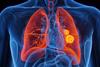
NewsAdvanced test predicts ALK inhibitor success in lung cancer
Researchers have developed a test that accurately predicts whether patients with ALK-positive lung cancer will respond to targeted treatments. This could significantly enhance personalised cancer therapies and overcome treatment resistance.
-
 News
NewsOutsmarting cancer by exploiting DNA repair flaws
Researchers at ETH Zurich in Switzerland have mapped the complex network cells use to repair their genetic material, revealing previously hidden vulnerabilities in cancer cells.