



All Cancer articles – Page 9
-
 Article
From war rooms to launch rooms: how AI is changing the game
Within3’s Jason Smith explores how artificial intelligence is breathing new life into next-generation launch situation rooms; delivering actionable insights for pharmaceutical companies.
-
 Article
How real-world data is accelerating drug discovery
Vish Srivastava considers the benefits of expanding the role of real-world data in drug discovery to provide improved therapies, faster and with greater success.
-
 News
NewsSPIRAL device offers safer, smarter drug delivery to the brain
Scientists have created a flexible brain implant, called SPIRAL, capable of delivering drugs to multiple regions with pinpoint accuracy.
-
 News
NewsHow nanocarriers and VLPs are uniting to fight cancer
Innovations in nanomedicine are merging to redefine precision oncology. From virus-like particles to magnetic nanoparticles, integrated delivery systems are showing powerful potential for new, targeted cancer treatments.
-
 News
NewsHow smoking and alcohol shape mutations in our DNA
Researchers have refined a cutting-edge DNA sequencing tool that reveals how mutations accumulate in healthy tissues as we age, offering insights into the earliest stages of cancer development.
-
 News
NewsTargeting EZH2 may prevent triple-negative breast cancer spread
A new study has revealed that the enzyme EZH2 triggers abnormal cell division that fuels metastasis, and blocking this enzyme with existing drugs could restore normal cell behaviour to stop cancer from spreading.
-
 News
NewsBlocking SLAMF6 enables T cells to kill leukaemia cells
Researchers have discovered a surface protein that helps acute myeloid leukaemia cells evade the immune system, offering potential insights to aid the development of new treatments.
-
 News
NewsCloneSeq-SV: new blood test tracks ovarian cancer recurrence
Researchers have developed a new blood test method, CloneSeq-SV, that tracks treatment-resistant ovarian cancer cells over time. The approach could help predict recurrence and guide targeted therapies.
-
 Article
Beyond templates: advancing protein–protein interaction structure prediction with AI
Dr Alan Nafiiev evaluates template-based, docking and template-free approaches to PPI prediction, highlighting how AI can enhance structural accuracy.
-
 News
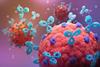
NewsNew CAR T therapy targets solid tumours safely and effectively
USC researchers have engineered CAR T cells to deliver a dual protein therapy that targets solid tumours – offering hope for cancers previously resistant to treatment.
-
 Article
Fast-tracking advanced therapies without compromising regulatory success
Early planning for potency CQAs, comparability and evolving global regulations can set advanced therapies on the fastest path to approval. Dr Christian Schneider shares how to prepare from the start to accelerate development without compromising the evidence regulators expect.
-
 News
NewsHypoxia and EUDAL: the hidden drivers of oral cancer survival
A newly discovered RNA molecule, EUDAL, helps oral cancers survive chemotherapy by keeping a key growth protein permanently active. Researchers say targeting EUDAL could predict resistance and improve treatment outcomes.
-
 News
NewsSenolytic drug combo boosts cancer immunotherapy and reduces side effects
Researchers have discovered that targeting immune cell ageing can overcome resistance to head and neck cancer treatment.
-
 Article
Mass spectrometry workflows powering the future of biologics
Analysing complex biologics is one of drug discovery’s biggest challenges. At Genentech, Rachel Shi is developing MS workflows that deliver clearer answers, faster.
-
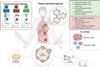 News
NewsTiny models, powerful insights: how organoids are driving precision oncology
A new review has highlighted how three-dimensional organoid models are transforming cancer research by replicating the complexity of human tumours – bringing precision oncology closer to the clinic.
-
 Article
From data to therapy: emerging tech driving cancer drug discovery
Multiomics, AI and liquid biopsies are giving researchers real-time insight into tumour biology and enabling more personalised cancer therapies. Find out how these technologies are advancing biomarker discovery, improving patient stratification, and guiding the design of new treatments.
-
 News
NewsProtecting bones from cancer damage: targeting the UPR pathway
New research highlights how cancer hijacks the unfolded protein response (UPR) in bone cells – potentially allowing for the development of therapies that target this pathway to prevent fractures.
-
 News
NewsGlioblastoma treatment boosted by new drug combination strategy
Researchers in China have discovered how glioblastoma adapts to low-oxygen conditions – revealing a new treatment strategy that combines an orphan drug with standard chemotherapy to overcome resistance.
-
 Article
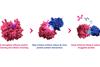
The science behind the systematic discovery of molecular glues
For decades, molecular glues have been stumbled upon rather than designed. A new scientific approach is now changing that – expanding what is considered druggable.
-
 Article
Overcoming barriers to oncology combination therapies in the UK and EU
Colleagues at IQVIA discuss ways to expedite positive HTA outcomes for innovative combination therapies, alleviating the bottlenecks inherent in the current system.