



All Cancer articles – Page 6
-
 News
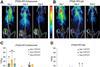
NewsClaudin 18.2-targeted therapy advances GI cancer treatment
A novel imaging-guided radiopharmaceutical targeting claudin 18.2 has shown that it can precisely detect and effectively treat gastric and pancreatic tumours, completely eradicating cancer in some preclinical models.
-
 News
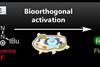
NewsNew fluorescent technology tracks drug responses in cells
Researchers have developed new innovative fluorescent labels that allow scientists to observe cellular processes with unprecedented clarity – offering a powerful tool for medicine, drug research and cell biology.
-
 News
NewsPitavastatin identified as potential treatment for triple-negative breast cancer
A commonly prescribed cholesterol-lowering drug, called pitavastatin, could be used to treat patients with triple-negative breast cancer, after researchers found that it has the ability to block a key cancer survival protein.
-
 News
NewsInsilico secures $888million Servier partnership for AI oncology
Insilico Medicine and Servier have announced a multi-year collaboration to accelerate the discovery of new cancer therapies, using artificial intelligence to tackle challenging oncology targets and shorten early-stage drug development timelines.
-
 News
NewsControlling cellular noise may stop cancer and bacterial relapse
Scientists have developed a new mathematical ‘Noise Controller’ that can stabilise random cellular fluctuations, offering a potential breakthrough in preventing cancer recurrence and antibiotic resistance.
-
 News
NewsPolysaccharide microneedles: the future of cancer immunotherapy
Polysaccharide-based microneedles are emerging as a dual-action platform for cancer immunotherapy, delivering anti-cancer drugs directly to the skin while actively modulating the immune system.
-
 News
NewsHow aggressive breast cancer evades the immune system
Researchers in China have discovered a previously unknown mechanism that allows aggressive breast cancers to avoid immune attack, while simultaneously exposing a weakness that could make these tumours especially responsive to existing immunotherapy treatments.
-
 Article
Peptides in practice: what it takes to advance these therapies to clinic
Peptide therapeutics are emerging as a powerful class of medicines capable of targeting diseases that challenge traditional modalities. This article reveals their rising clinical impact and the key development, safety and translational challenges that must be addressed to bring them successfully to patients.
-
 News
NewsNew research aims to make FDA-approved drugs safer for the brain
Life-saving HIV and cancer drugs can carry serious neurological risks, and new funding will help UMBC researchers discover how these medicines damage the brain – which could help to inform safer treatments.
-
 Article
Why patient-derived biology matters for ADC discovery
What can we learn from tumours after they stop responding to treatment? By studying patient tissue directly, researchers are finding new ADC targets that conventional screening often misses.
-
 News
NewsScientists discover potential therapy for pancreatic cancer-induced cachexia
University of Houston researchers have identified a key cellular pathway involved in muscle wasting caused by pancreatic cancer, offering new insights into potential therapies.
-
 Article
Building better biologics and a stronger future for women in STEM
Great biologics don’t happen by chance, and neither do great STEM careers. Dr Lidia Serina shares the lessons behind both.
-
 News
NewsHydrogel tech enables global shipping of organoid models
A partnership between Atelerix and Cherry Biotech is enabling the shipping of complex biological models worldwide, using hydrogel preservation technology to eliminate cold-chain logistics.
-
 News
NewsCBD and THC show anti-cancer effects against ovarian tumours
New research suggests cannabis compounds CBD and THC could offer a new approach to treating ovarian cancer.
-
 News
NewsFertility gene PRDM9 linked to relapse in glioblastoma
A study by University of Sydney scientists has discovered why patients with glioblastoma often relapse, identifying a hidden population of cancer cells that hijack a fertility gene to survive chemotherapy.
-
 News
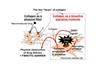
NewsInhibiting DDR1 pathway helps breach pancreatic cancer’s drug barrier
Scientists in Japan have identified a way to weaken the dense fibrotic barrier that prevents drugs from penetrating pancreatic tumours – a promising new strategy that could improve treatment for pancreatic cancer.
-
 News
NewsNew Spheromatrix platform speeds up cancer drug research
Researchers at NYU Abu Dhabi have developed a cheap, paper-based platform that allows tumour models to be grown, frozen and stored for future cancer drug testing – called Spheromatrix.
-
 Article
Protein folding interference: a new path to hard-to-drug targets
Protein folding interference offers access to targets long considered unreachable by traditional drug discovery. By acting on transient folding intermediates, this approach presents a new opportunity to eliminate disease-driving proteins.
-
 News
NewsLive-cell liquid biopsy study aims to transform cancer treatment
Vortex Liquid Biopsy Solutions has launched a new clinical study with The Doctors Laboratory to assess how its live-cell liquid biopsy technology could change cancer monitoring and treatment.
-
 News
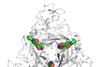
NewsBlocking the P2X4 receptor: a potential pathway to new therapies
Researchers have discovered how to inhibit the P2X4 receptor, a key protein linked to chronic pain, inflammation and certain cancers.