



All Cancer articles – Page 3
-
 News
NewsHidden vulnerability in persister cells could prevent KRAS cancer relapse
Scientists at Chiba University have identified a metabolic vulnerability in drug-tolerant cancer cells that survive KRAS-targeted therapy, opening a potential route to combination treatments designed to prevent disease recurrence in lung, pancreatic and colorectal cancers.
-
 News
NewsResearchers reveal how entinostat disrupts pancreatic cancer repair
Scientists at the Salk Institute have discovered how the investigational HDAC inhibitor entinostat disrupts DNA repair mechanisms in pancreatic cancer cells, potentially enabling more effective combination therapies with reduced toxicity through novel nanoparticle delivery systems.
-
 News
NewsmRNA vaccine shows promise against childhood neuroblastoma cancer
Preclinical study demonstrates effectiveness of experimental mRNA vaccine against neuroblastoma, reducing tumour size by 70 percent and delaying development. RCSI researchers used peptide nanoparticles targeting GPC2 protein to direct immune response against cancer cells, offering potential new treatment approach for aggressive childhood malignancy.
-
 News
NewsBlocking cathepsin B protein enhances CAR T-cell therapy effectiveness
University of Maryland researchers have discovered that blocking cathepsin B protein prevents CAR T-cells from losing effectiveness, potentially improving long-term outcomes for blood cancer patients. The preclinical findings reveal that engineered immune cells inadvertently weaken themselves by acquiring tumour fragments, a process that can be prevented through targeted protein inhibition.
-
 News
NewsMembrane lipid composition directly regulates EGFR activity in cells
MIT researchers have demonstrated that cell membrane composition directly influences EGFR activity, with elevated negatively charged lipids locking the receptor into a growth-promoting state.
-
 News
NewsLabGenius and LG Chem partner on AI-driven cancer antibodies
LabGenius Therapeutics has partnered with LG Chem to develop next-generation multispecific antibodies targeting solid tumours. The collaboration combines AI-driven drug discovery with oncology development expertise to identify therapeutics with improved selectivity and reduced toxicity.
-
 News
NewsResearchers develop automated DESI-MS platform for faster cancer drug discovery
Scientists at Purdue University have created an automated ultrahigh-throughput platform that integrates chemical synthesis, biological testing and mass spectrometry into a single workflow, potentially reducing the time needed to identify promising cancer drug candidates from weeks to hours.
-
 News
NewsNew framework standardises glioma organoid research for translational studies
A collaborative review published in Neuro-Oncology establishes a unified classification system for glioma organoid models, addressing inconsistent terminology and methodology across the rapidly expanding field.
-
 News
NewsCytokine-armoured CAR T cells target glioblastoma while reducing treatment toxicity
UCLA Health researchers have developed cytokine-armoured CAR T cells that directly attack glioblastoma tumours whilst recruiting the body’s wider immune system. The engineered cells showed improved tumour control in mouse models and could address antigen heterogeneity challenges that have limited CAR T therapy success in solid tumours.
-
 News
NewsNotch2 enables breast cancer dormancy in protective bone marrow niches
New research has demonstrated how breast cancer cells exploit protective bone marrow niches to remain dormant for years, identifying Notch2 signalling and stem cell-like markers as key regulators of cellular dormancy that could inform therapeutic strategies to prevent relapse.
-
 News
NewsFerroptosis emerges as strategy against treatment-resistant digestive cancers
Researchers are investigating ferroptosis, an iron-dependent cell death pathway, as a potential approach to overcome treatment resistance in digestive cancers.
-
 News
NewsNew study indentifies Golgi apparatus proteins as cancer growth drivers
Researchers at the Harrington Discovery Institute have identified cellular mechanisms involving Golgi apparatus proteins that drive cancer progression by trafficking growth factor receptors to cell surfaces.
-
 News
NewsRAGE receptor identified as key driver of age-related metastasis
Georgetown Lombardi researchers have identified RAGE, an inflammatory receptor, as a key mediator of age-related breast cancer metastasis.
-
 News
NewsCAR T cell therapy eliminates glioblastoma tumours in preclinical study
A next-generation CAR T cell immunotherapy targeting the urokinase receptor has eliminated treatment-resistant glioblastoma tumours in preclinical models.
-
 News
NewsYAP1 protein found to drive chemotherapy resistance in small cell lung cancer after treatment
University of Texas MD Anderson Cancer Center researchers have discovered that YAP1 protein expression emerges after chemotherapy treatment in small cell lung cancer, enabling resistant cancer cells to survive and proliferate.
-
 News
NewsNew framework evaluates AI reliability in immune system prediction
Researchers at the University of South Florida have developed a comprehensive framework to test how accurately AI systems can predict immune responses, addressing critical questions about the reliability of computational tools in drug discovery.
-
 News
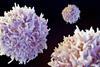
NewsNew imaging reveals how immune cells destroy cancer
Cryo-expansion microscopy has enabled researchers to visualise the three-dimensional organisation of cytotoxic T lymphocytes destroying cancer cells in their near-native state, revealing nanoscale structural details of the immune synapse and cytotoxic granules that could refine immuno-oncology therapeutic strategies.
-
 News
NewsCircio and Acuitas partner on circular RNA CAR T therapy
Norway-based biotechnology company Circio Holding ASA has partnered with Acuitas Therapeutics to evaluate its circVec circular RNA platform for in vivo CAR T cell therapy. The collaboration will combine Circio’s technology, which reportedly delivers gene expression lasting up to six months in lymphocytes, with Acuitas’ lipid nanoparticle delivery system targeting specific T cell populations for potential applications in oncology and autoimmune diseases.
-
 News
NewsChampions Oncology to present eight studies at AACR 2026
Champions Oncology will present eight studies at AACR 2026 spanning KRAS-mutant tumours, ovarian cancer, glioblastoma and emerging therapies including radiopharmaceuticals and CAR-T, using patient-derived models to improve early-stage decision-making in oncology drug development.
-
 News
NewsMassey Cancer Center funds drug discovery projects targeting Hsp27-CerS1 and ferroptosis pathways
The VCU Massey Comprehensive Cancer Center has awarded $50,000 each to two innovative drug discovery projects through its collaborative programme with Sanford Burnham Prebys Medical Discovery Institute.