



All Cell & Gene Therapy articles – Page 4
-
 News
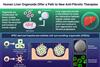
NewsLab-grown liver offers new platform to test fibrosis drugs
Japanese scientists have developed a lab-grown liver organoid that mimics human liver regeneration, offering a new platform to study fibrosis and test therapies.
-
 News
NewsCRISPR epigenetic ‘switch’ provides new way to control memory
For the first time, researchers have demonstrated that flipping an epigenetic ‘switch’ in memory cells can directly control whether a memory is expressed or silenced, offering new insights into how memories are stored and potentially altered.
-
 News
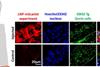
NewsNew mRNA therapy could inform future male infertility treatments
Scientists have restored sperm production in mice with a genetic form of male infertility using mRNA delivered via lipid nanoparticles, with the hope of informing future treatments for non-obstructive azoospermia.
-
 Article
SPNS1 mutations reveal new lysosomal lipid recycling pathway
Scientists have linked rare mutations in SPNS1 to a previously unknown lipid recycling pathway in lysosomes, revealing how faulty fat processing can trigger muscle and liver disease.
-
 News
NewsSPIRAL device offers safer, smarter drug delivery to the brain
Scientists have created a flexible brain implant, called SPIRAL, capable of delivering drugs to multiple regions with pinpoint accuracy.
-
 News
NewsHow nanocarriers and VLPs are uniting to fight cancer
Innovations in nanomedicine are merging to redefine precision oncology. From virus-like particles to magnetic nanoparticles, integrated delivery systems are showing powerful potential for new, targeted cancer treatments.
-
 Article
Streamlining Biomanufacturing of Personalised Cancer Immunotherapies with Synthetic DNA
A Synthetic DNA Approach for Speed, Scale & Flexibility
-
 News
NewsNew gene therapy restores brain function in SYNGAP1 disorder
Scientists have developed a new gene therapy that reversed symptoms of SYNGAP1-related brain disorders in mice, which could lead to new treatments for this group of neurological conditions.
-
 Article
Advancing gene editing: the role of lipid nanoparticles in CRISPR delivery
CRISPR therapies depend on delivery and lipid nanoparticles are emerging as a more flexible and scalable option than viral vectors.
-
 Article
An ethical shift in NHP research: iPSC-derived cardiomyocytes for safer pharmacology
As regulators move to phase out primate testing, NHP-derived iPSC cardiomyocytes are emerging as a scalable, ethical and scientifically robust alternative - offering drug developers a clear path to faster, more predictive, and more responsible innovation.
-
 News
NewsKidney organoids show APOL1 gene’s role in chronic kidney disease
New research using stem cell-derived kidney organoids reveals how APOL1 gene mutations disrupt mitochondrial function in kidney cells – potentially leading to new targeted treatments.
-
 News
NewsNew CAR T therapy targets solid tumours safely and effectively
USC researchers have engineered CAR T cells to deliver a dual protein therapy that targets solid tumours – offering hope for cancers previously resistant to treatment.
-
 Article
Fast-tracking advanced therapies without compromising regulatory success
Early planning for potency CQAs, comparability and evolving global regulations can set advanced therapies on the fastest path to approval. Dr Christian Schneider shares how to prepare from the start to accelerate development without compromising the evidence regulators expect.
-
 News
NewsLab-grown kidneys show real function in new stem cell study
USC Stem Cell scientists have created the most advanced lab-grown kidney structures to date, combining key components into ‘assembloids’ that mature and function like real kidneys, which could open up new possibilities for modelling complex kidney diseases.
-
 News
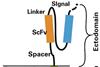
NewsAnti-linker antibodies: a universal key for CAR-T detection
Every new CAR-T needs a new detection tool – until now. Anti-linker antibodies could change how researchers develop and track these therapies.
-
 News
NewsNew stem cell approach could repair stroke-damaged brains
A new experimental stem cell therapy shows promise in repairing brain damage after ischemic strokes – potentially allowing for the development of future treatments that extend the recovery window.
-
 Article
Better assays: the key step in moving drugs from lab to clinic
From gene therapy to Long Covid, better assays are helping researchers move promising drug candidates from early studies into clinical trials. Dr Alexandre Lucas explains the technologies, challenges and innovations driving this progress.
-
 News
NewsTumour stress drives T cell exhaustion – antioxidants may reverse it
A new research study has discovered that targeted antioxidants could restore T cell function – offering a potential boost for cancer immunotherapies like CAR-T.
-
 Article
CAR T’s biggest hurdle: solving the toxicity problem
CAR T therapies are saving lives, but toxicities such as CRS and ICANS remain a major barrier. What will it take to overcome them?
-
 News
NewsScientists spotlight lung disease as fast-track model for ageing drugs
Researchers have identified idiopathic pulmonary fibrosis (IPF) as a powerful model for exploring treatments that target the biology of ageing.