



All Cell & Gene Therapy articles
-
 News
NewsIn vivo CAR T review charts path to off-the-shelf cellular therapy
A review from researchers at Naval Medical University and Shanghai Jiao Tong University examines how engineering CAR T cells directly inside the body could cut manufacturing complexity and expand patient access to cellular immunotherapy.
-
 News
NewsMayo Clinic strategy restores CAR T targets on aggressive thyroid tumours
Mayo Clinic researchers have shown that approved thyroid cancer drugs can restore a key antigen on aggressive tumour cells, making them visible once more to CAR T cells and improving treatment outcomes in preclinical models.
-
 News
News‘Plug-and-play’ CAR T platform enables post-infusion immune cell reprogramming
City of Hope researchers have developed a modular ‘plug-and-play’ CAR T-cell platform that enables post-infusion reprogramming of engineered immune cells, offering a potential solution to treatment resistance driven by tumour evolution.
-
 News
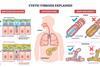
NewsEngineered tRNAs and lipid nanoparticles target nonsense mutation cystic fibrosis
A preclinical study combining chemically modified suppressor tRNAs with inhaled lipid nanoparticles has restored functional CFTR protein production across bronchial epithelial cells, mouse models and patient-derived organoids, offering a potential new therapeutic strategy for nonsense mutation-driven cystic fibrosis.
-
 News
NewsRegnase-1 deletion boosts CAR T-cell efficacy against paediatric osteosarcoma
St Jude researchers have demonstrated that deleting the Regnase-1 gene from CAR T cells significantly improves tumour control and prevents metastasis in preclinical models of relapsed osteosarcoma, paving the way for an early-phase clinical trial.
-
 Article
Gene therapy’s biggest challenge is the cell’s own defence mechanisms
What if one of gene therapy’s biggest obstacles isn’t delivery, but the body’s own cells? Discover why DNA silencing is emerging as a major challenge for long-lasting genetic medicines.
-
 News
NewsWhat Oblenio’s Phase I trial means for autoimmune drug discovery
Oblenio Bio has dosed the first patients in a Phase 1a trial of LBL-051, a tri-specific T cell engager designed to simultaneously target CD19, BCMA and CD3 and eliminate both B cells and plasma cells in a bid to achieve durable immune reset in refractory autoimmune diseases.
-
 News
NewsVY1706 Alzheimer’s gene therapy achieves 75 percent tau reduction in preclinical study
Voyager Therapeutics has presented six-month GLP toxicology data for VY1706, its investigational tau-targeting gene therapy, showing durable tau reductions of up to 75 percent and a clean safety profile in non-human primates, as the company prepares to begin first-in-human dosing in the second half of 2026.
-
 News
NewsGlymphatic gene therapy platform targets brain’s glial cells precisely
A new gene therapy platform exploiting the brain’s glymphatic transport system and engineered AAV5 vectors could offer a targeted treatment route for multiple sclerosis, Huntington’s disease and rare white matter disorders.
-
 News
NewsNon-endocytic delivery bypasses endosomal barriers for gene therapy
A new review examines how physical, bioengineered and biomimetic delivery platforms that bypass conventional endocytic uptake pathways could transform the clinical development of gene therapies, mRNA treatments and protein-based medicines.
-
 News
NewsGene therapy restores key features in fragile X syndrome mouse model
Researchers at Cincinnati Children’s have demonstrated that AAV-mediated delivery of the human FMR1 gene can restore FMRP expression and reverse multiple disease-related features in a fragile X syndrome mouse model, offering a promising preclinical foundation for future clinical trials.
-
 Article
Synthetic iMSCs: reprogramming ovarian cancer from the inside out
Ovarian cancer has long proved difficult to treat. Could the answer lie within the disease itself? Discover how synthetic iMSCs could reprogramme the tumour microenvironment and restore anti-tumour immunity.
-
 News
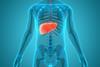
NewsGene therapy shows durable correction of methylmalonic acidemia in preclinical study
Preclinical findings from Genespire and SR-TIGET suggest a single administration of a liver-directed lentiviral gene therapy could provide lifelong correction of methylmalonic acidemia, a rare inherited metabolic disorder with no approved disease-targeted treatments.
-
 News
NewsStem cell organoids repair heart microvessels in coronary artery disease models
Stanford University researchers have demonstrated that stem cell-derived vascular organoids can regenerate damaged microvessels in the heart, improving cardiac function in a porcine model of ischaemic heart disease and addressing a significant unmet need in coronary artery disease treatment.
-
 Article
From R&D to QC: building a single analytical strategy for cell and gene therapies
From early research to quality control, maintaining analytical continuity is no easy task. Could a single sequencing workflow help simplify analytical assessment?
-
 News
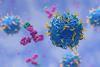
NewsCytokine-armoured CAR T cells target glioblastoma while reducing treatment toxicity
UCLA Health researchers have developed cytokine-armoured CAR T cells that directly attack glioblastoma tumours whilst recruiting the body’s wider immune system. The engineered cells showed improved tumour control in mouse models and could address antigen heterogeneity challenges that have limited CAR T therapy success in solid tumours.
-
 News
NewsCardiac organoids repair heart attack damage in preclinical study
Researchers have developed a scalable bioreactor-based system to produce cardiac organoids that successfully integrated into damaged heart tissue in porcine models of myocardial infarction, improving cardiac function and reducing scar formation without triggering arrhythmias.
-
 News
NewsCircio’s circular RNA platform shows 40-fold gene expression boost
Circio Holding has presented preclinical data at ASGCT demonstrating that its circVec circular RNA platform achieved up to 40-fold greater gene expression in cardiac tissue and 50-fold in ocular tissue compared with conventional AAV gene therapy approaches, potentially enabling significant dose reductions and improved safety profiles.
-
 News
NewsASGCT 2026 Annual Meeting opens in Boston this week
The American Society of Gene & Cell Therapy’s 2026 Annual Meeting opens in Boston on 11 May, bringing together thousands of researchers, clinicians and industry leaders for five days of scientific programming.
-
 News
NewsCircio and Acuitas partner on circular RNA CAR T therapy
Norway-based biotechnology company Circio Holding ASA has partnered with Acuitas Therapeutics to evaluate its circVec circular RNA platform for in vivo CAR T cell therapy. The collaboration will combine Circio’s technology, which reportedly delivers gene expression lasting up to six months in lymphocytes, with Acuitas’ lipid nanoparticle delivery system targeting specific T cell populations for potential applications in oncology and autoimmune diseases.