



All Drug Development articles – Page 15
-
 Article
Inside Zasocitinib: a new model for TYK2 inhibition in immune-mediated diseases
Zasocitinib is a highly selective, investigational TYK2 inhibitor developed to target immune-mediated diseases with fewer off-target effects than traditional JAK inhibitors. This article explores its mechanism, selectivity data and clinical progress.
-
 News
NewsThe road to safer painkillers: the role of the EP2 receptor
NYU researchers have identified a receptor in prostaglandins that triggers pain without affecting inflammation – which could lead to safer, more targeted pain treatments.
-
 News
NewsMarine sponges could hold the key to new Leishmaniasis treatments
Japanese researchers have discovered potent new compounds from marine sponges that could transform the treatment of leishmaniasis – a neglected tropical disease affecting millions worldwide.
-
 Article
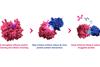
The science behind the systematic discovery of molecular glues
For decades, molecular glues have been stumbled upon rather than designed. A new scientific approach is now changing that – expanding what is considered druggable.
-
 Article
Overcoming barriers to oncology combination therapies in the UK and EU
Colleagues at IQVIA discuss ways to expedite positive HTA outcomes for innovative combination therapies, alleviating the bottlenecks inherent in the current system.
-
 News
NewsGut probiotics could offer relief for sickle cell disease pain
A new study from UT Dallas and the Medical College of Wisconsin links chronic sickle cell disease pain to gut bacteria – identifying Akkermansia muciniphila as a potential target for new probiotic or microbiome-based therapies.
-
 Article
Why scientists are targeting the gut to treat peanut allergy
A new oral immunotherapy could change how peanut allergy is treated, targeting the gut to retrain the immune system and reduce the risk of life-threatening reactions. INP20’s nanoparticle technology promises a safer, more precise approach that could replace lifelong avoidance with lasting tolerance.
-
 News
NewsRegistration for ELRIG’s Drug Discovery 2025 closes on 30 September
Registration for ELRIG’s Drug Discovery 2025 will close on 30 September. The free to attend conference, held on 21–22 October in Liverpool, will bring together thousands of scientists, exhibitors and expert speakers.
-
 News
NewsNovltex: new antibiotic targets antimicrobial resistance
Scientists at the University of Liverpool have discovered Novltex, a new class of antibiotics that shows potent activity against deadly multidrug-resistant bacteria such as MRSA.
-
 Article
PDX models are back – and they’re exposing what cell lines missed
As cancer drugs continue to fail in translation, researchers are turning back to patient-derived xenograft (PDX) models – this time with better science. Could they be the missing link between the lab and the clinic?
-
 News
NewsNew obesity drug RES-010 targets metabolism to prevent weight regain
A first-in-class obesity drug, presented at the European Association for the Study of Diabetes meeting in Vienna, aims to reprogramme metabolism rather than suppress appetite – offering the potential for long-lasting weight loss without regain.
-
 News
NewsNew therapies boost deep brain stimulation accuracy in epilepsy
In a new study, researchers have discovered that deep brain stimulation targeting the centromedian nucleus could help patients with drug-resistant epilepsy improve seizure control.
-
 News
NewsRare disease drugs get boost from new NICE guidelines
NICE has raised the cost-effectiveness thresholds for ultra-rare disease drugs under its Highly Specialised Technology programme – a move welcomed by patient advocates and biotech leaders.
-
 Article
Better assays: the key step in moving drugs from lab to clinic
From gene therapy to Long Covid, better assays are helping researchers move promising drug candidates from early studies into clinical trials. Dr Alexandre Lucas explains the technologies, challenges and innovations driving this progress.
-
 Article
Advancing antiviral therapeutics for immunocompromised populations
With few antiviral options available to immunocompromised patients, a new generation of therapies - like AIC468 - is aiming to change that.
-
News
Single-cell technique tracks boron in live tumour cells
Researchers at the University of Birmingham have developed a single-cell technique to track boron inside live tumour cells – making Boron Neutron Capture Therapy more effective in treating head and neck cancers.
-
 Article
CAR T’s biggest hurdle: solving the toxicity problem
CAR T therapies are saving lives, but toxicities such as CRS and ICANS remain a major barrier. What will it take to overcome them?
-
 Article
Making sense of AI: bias, trust and transparency in pharma R&D
AI is increasingly used in drug discovery, but hidden bias and ‘black box’ models threaten trust and transparency. This article explores how explainable AI can turn opaque predictions into clear, accountable insights.
-
 News
NewsBlocking GPNMB may halt triple-negative breast cancer progression
A new study has revealed that the protein GPNMB alters immune cells to aid cancer spread – pointing to the GPNMB-Siglec-9 pathway as a potential target for future treatments.
-
 News
NewsScientists spotlight lung disease as fast-track model for ageing drugs
Researchers have identified idiopathic pulmonary fibrosis (IPF) as a powerful model for exploring treatments that target the biology of ageing.