



All Drug Development articles – Page 16
-
 Article
AI meets human tissue to fast-track precision medicine development
By combining human tissue models with explainable AI, researchers can analyse complex patient data to identify which treatments work best for which patients. First applied to inflammatory bowel disease, this approach could improve clinical trial success rates across many diseases.
-
 News
NewsBreakthrough glioblastoma research wins £400k charity funding
King’s College London and Medicines Discovery Catapult have secured £400,000 from The Brain Tumour Charity to fast-track a new drug delivery approach for glioblastoma, the most aggressive brain cancer. The project will support preclinical studies to move potential treatments closer to patients.
-
 Article
Animal-free drug discovery is closer with QSP
Quantitative Systems Pharmacology (QSP) is fast becoming a standard tool in drug development, offering a human-relevant way to predict drug effects before the clinic. Dr Josh Apgar of Certara explains how it is helping to cut reliance on animal testing and speed discovery.
-
 Webinar
Can One Peptide Change Pain Research? Meet the Tool Transforming Drug Discovery
Discover how a new peptide tool, WRPRFa, is helping researchers better understand pain pathways and accelerate the search for next-generation analgesics.
-
 Article
Inside the search-and-develop model tackling 1,000 untreated skin diseases
With over 1,000 skin diseases lacking approved treatments, a search-and-develop model is changing how new therapies are sourced and developed. Chief Scientific Officer, Jacob Pontoppidan Thyssen, outlines the strategy behind it.
-
 News
NewsFeline cancer breakthrough could help treat human tumours
Researchers have tested a new cancer drug in pet cats with head and neck squamous cell carcinoma – a disease notoriously hard to treat. The trial showed the therapy controlled cancer in 35 percent of cats with minimal side effects – and it could help to treat humans too.
-
 News
NewsChronic neuron overactivation drives Parkinson’s cell death
New research from Gladstone Institutes shows that chronic overactivation of dopamine-producing neurons can directly trigger their death, offering new insights into why these cells deteriorate in Parkinson’s disease which could lead to potential therapies to slow its progression.
-
 News
NewsNew AI method maps how tuberculosis drugs destroy bacteria
Scientists at Tufts University have developed an AI tool that demonstrates how tuberculosis drugs kill bacteria – an advancement that could speed-up the discovery of shorter, more effective treatments.
-
 Article
Beyond the hype: a veteran’s honest assessment of AI in drug discovery – Part 3
AI is starting to transform drug discovery, but progress is still slow and big challenges remain. Thibault Géoui explores the gaps, hurdles and breakthroughs needed before it can truly change pharma R&D.
-
 Article
Inside the Alzheimer’s study backing stem cells, not drugs
In this first-in-human Alzheimer’s study, Wnt-activated autologous stem cells are delivered intracerebroventricularly (directly into the brain) to address neuronal loss, while also reducing amyloid and tau biomarkers and improving cognition. Early data from this regenerative approach could help early drug discovery teams shape target selection, biomarker development and trial design.
-
 News
NewsNew Zika vaccine prevents infection and organ damage
Brazilian researchers have developed a new Zika virus vaccine that is safe and effective in mice – protecting against both brain inflammation and testicular damage while avoiding cross-reactions with dengue.
-
 Article
Consumables engineered for speed and reproducibility in drug discovery
What if familiar lab formats could be redesigned to remove the weak points in permeability and absorbance testing? This article explores how design choices in common consumables can improve both speed and reproducibility in early-stage research.
-
 News
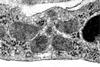
NewsCholesterol drug restores brain barrier function in 22q11.2 syndrome models
Researchers have found that mitochondrial dysfunction in the blood-brain barrier may drive neuropsychiatric disease in 22q11.2 deletion syndrome – and that a cholesterol drug could restore barrier function and ease symptoms.
-
 Article
Beyond the hype: a veteran's honest assessment of AI in drug discovery - Part 2
Thibault Géoui explains why AI could finally help pharma overcome its productivity crisis and why the payoff won’t come as quickly as the optimists claim.
-
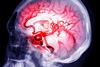 News
NewsNew therapy targets triglycerides to prevent aneurysms
A new study shows high triglyceride levels directly cause abdominal aortic aneurysms – highlighting triglyceride-lowering therapies as a potential new treatment.
-
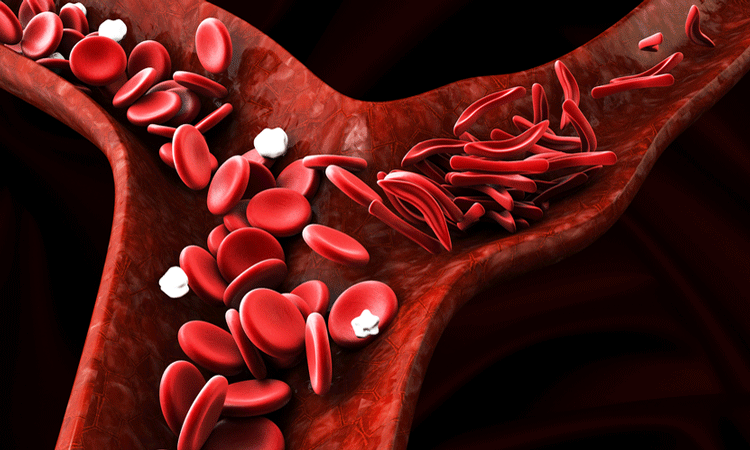 News
NewsNew CRISPR breakthrough could transform sickle cell treatment
Researchers at UNSW Sydney have unveiled a next-generation CRISPR tool that could lead to safer treatments for genetic disorders, including Sickle Cell.
-
 Article
How to select the optimal bispecific antibody format for therapeutic success
Choosing the right bispecific antibody format can make or break your therapy’s success. This article explores how format impacts function, manufacturability and development strategy - helping you make the best choice from the start.
-
 News
NewsHow to select the optimal bispecific antibody format for therapeutic success
Discover the key scientific, strategic and manufacturing factors that could decide whether your bsAb succeeds in the clinic or stalls in development.
-
 Article
Challenges in developing robust potency assays for ADCs
Developing robust potency assays for Antibody-Drug Conjugates (ADCs) is crucial for ensuring their clinical success, but designing assays that meet both technical and regulatory standards is challenging. Here, Abzena’s CSO Campbell Bunce explores the complexities of assay development and the importance of ensuring accuracy, consistency and regulatory alignment for ADCs ...
-
 News
NewsFDA-approved asthma drug may protect against food allergy reactions
An existing asthma drug has been shown to almost completely prevent life-threatening allergic reactions to food in mice, after researchers found a previously unknown genetic pathway linked to anaphylaxis.