



All Drug Development articles – Page 11
-
 News
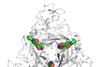
NewsBlocking the P2X4 receptor: a potential pathway to new therapies
Researchers have discovered how to inhibit the P2X4 receptor, a key protein linked to chronic pain, inflammation and certain cancers.
-
 Article
Logic-gated DARPins show targeted T-cell activation in tumours
What if a T-cell therapy could activate only inside a tumour? New preclinical data on Molecular Partners’ Switch-DARPin suggest it may do just that.
-
 News
NewsNew organ-on-a-chip captures ageing immune responses to cancer vaccines
Scientists have developed an organ-on-a-chip platform that replicates age-related immune decline, offering a long-missing tool for testing cancer vaccines in older adults.
-
 News
NewsMYC inhibitor Omomyc boosts PARP drug response in breast cancer
A preclinical study led by VHIO reveals that the MYC inhibitor Omomyc enhances the effectiveness of PARP inhibitors, offering a potential new treatment strategy for patients with drug-resistant triple-negative breast cancer.
-
 Article
RNA that knows where to go: the rise of targeted delivery
What if RNA medicines could be guided directly to tumours, sparing healthy tissue and reducing side effects? Advances in targeted delivery are bringing that vision closer to reality.
-
 News
NewsEstrone hormone linked to deadly breast cancer in obese women
A new analysis has identified the hormone estrone as a major driver of aggressive breast cancer in post-menopausal women with obesity, meaning that weight-loss drugs could help improve treatment outcomes.
-
 News
NewsBits2Bonds: AI system accelerates discovery of RNA delivery polymers
Researchers at LMU Munich have developed Bits2Bonds, the first platform to fuse molecular simulations with machine learning – accelerating the discovery of polymer carriers for therapeutic RNA.
-
 News
NewsAutomated lung organoids to speed up new drug development
Scientists have developed an automated method to grow lung organoids, with the hope of speeding up drug testing, reducing reliance on animal models and helping to develop new personalised treatments.
-
 Article
The partnership changing the pace of radiopharmaceutical development
A new collaboration between Crown Bioscience and Medicines Discovery Catapult is bringing advanced tumour models together with world-class imaging and radiochemistry to accelerate the development of next-generation radiopharmaceuticals.
-
 News
NewsResearchers identify new drug site on epilepsy target SV2A
A team led by St. Jude Children’s Research Hospital and UT Southwestern has mapped how key anti-epilepsy drugs latch onto their neural target, SV2A.
-
 News
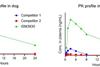
NewsAI powers discovery of new CBLB inhibitor ISM3830
Insilico Medicine has announced ISM3830, an AI-designed CBLB inhibitor that has demonstrated promising preclinical results.
-
 News
NewsRomidepsin drug combo proves effective against resistant childhood cancer
Australian researchers have identified a promising drug combination that can bypass treatment resistance in relapsed neuroblastoma, offering hope in the fight against one of the deadliest childhood cancers.
-
 News
NewsNew CAR-NKT treatment destroys metastatic pancreatic tumours
A novel CAR-NKT immunotherapy developed at UCLA has shown striking success in preclinical models of metastatic pancreatic cancer, which could hopefully lead to more accessible treatments.
-
 Article
Redesigning paclitaxel: expanding the therapeutic window through oral delivery
The potent chemotherapy drug paclitaxel is widely employed for various cancers despite toxicity and efficacy challenges. Maite Agüeros reveals how novel nanoparticle technology has enabled oral delivery of the drug – showing promising signs of improved tolerability and treatment success.
-
 News
NewsKidney fibrosis linked to overactive Hippo signalling pathway
Scientists have used human stem cell–derived kidney organoids to uncover how abnormal Hippo signalling drives scarring in nephronophthisis, a rare genetic kidney disease.
-
 News
NewsPre-transplant treg therapy reduces GVHD risk for blood cancer patients
Priming the immune system ahead of a stem cell transplant may be key to safer, more effective care for blood cancer patients, according to new research showing major reductions in transplant complications.
-
 Article
The mother of invention: from steam engines to AI-designed drugs
Every great leap in history started with a single, urgent need. Now AI is emerging as the next great engine of invention, transforming the future of medicine faster than ever imagined.
-
 News
NewsWhy TIGIT cancer therapies work in monkeys but not humans
A new study reveals that TIGIT, a key immune checkpoint targeted by cancer drugs, behaves differently in rhesus macaques and humans, suggesting current animal tests may be misleading drug development.
-
 News
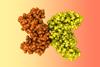
NewsKinase inhibitors shown to accelerate protein breakdown
A new study has revealed that many kinase inhibitors – key drugs used in cancer and other diseases – also trigger the accelerated degradation of their target proteins, which could inform future therapies.
-
 News
NewsNew mRNA therapy targets drug-resistant pneumonia
A new mRNA therapy that prompts the body to produce bacteria-killing ‘peptibodies’ has shown early success in preclinical models, offering a potential new tool in the fight against antibiotic-resistant pneumonia.