



All Drug Development articles – Page 14
-
 Article
How real-world data is accelerating drug discovery
Vish Srivastava considers the benefits of expanding the role of real-world data in drug discovery to provide improved therapies, faster and with greater success.
-
 News
NewsStem cell liver model reproduces rare immune drug reactions
A new human liver organoid platform could help predict which drugs trigger dangerous immune reactions in susceptible patients.
-
 News
NewsImproving brain resilience: Rab proteins and future treatments
New research has discovered how Rab proteins control the delivery of critical supplies to strengthen neural connections, providing researchers with important insights into memory formation and potential strategies for Alzheimer’s resilience.
-
 News
NewsMeta-Flux expands AI platform to speed up drug development
Dublin-based biotech Meta-Flux has raised €1.8M ($2M) in seed funding to expand its AI-driven platform for preclinical drug development, helping researchers predict drug success and accelerate the pathway from lab to clinic.
-
 News
NewsHow nanocarriers and VLPs are uniting to fight cancer
Innovations in nanomedicine are merging to redefine precision oncology. From virus-like particles to magnetic nanoparticles, integrated delivery systems are showing powerful potential for new, targeted cancer treatments.
-
 News
NewsSperm ‘switch’ discovery could lead to new fertility therapies
Scientists have discovered the molecular ‘switch’ that powers sperm for fertilisation, which could potentially lead to new infertility treatments.
-
 News
NewsNew gene therapy restores brain function in SYNGAP1 disorder
Scientists have developed a new gene therapy that reversed symptoms of SYNGAP1-related brain disorders in mice, which could lead to new treatments for this group of neurological conditions.
-
 Article
Eye movements as objective biomarkers: accelerating CNS drug development
Measuring disease progression remains one of the biggest hurdles in CNS drug development. Eye movements, now trackable with just a laptop and webcam, are emerging as a sensitive and scalable biomarker that could transform how trials are designed and therapies reach patients.
-
 News
NewsNew UCLA drug could restore heart and organ function
UCLA researchers have developed a monoclonal antibody, AD-NP1, that blocks ENPP1 to enhance heart repair and reduce scar tissue.
-
 News
NewsDDHD2 enables neurons to synthesise and burn fat for energy
Scientists have discovered that neurons can burn and make their own fats for energy – a finding that could lead to new treatments for rare and currently untreatable brain diseases.
-
 Article
Advancing gene editing: the role of lipid nanoparticles in CRISPR delivery
CRISPR therapies depend on delivery and lipid nanoparticles are emerging as a more flexible and scalable option than viral vectors.
-
 News
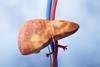
NewsPemafibrate and telmisartan combo may reverse fatty liver
A new study shows that approved drugs, pemafibrate and telmisartan, when combined, can reduce liver fat and may lower cardiovascular risk in metabolic dysfunction-associated steatotic liver disease.
-
 News
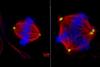
NewsTargeting EZH2 may prevent triple-negative breast cancer spread
A new study has revealed that the enzyme EZH2 triggers abnormal cell division that fuels metastasis, and blocking this enzyme with existing drugs could restore normal cell behaviour to stop cancer from spreading.
-
 Article
An ethical shift in NHP research: iPSC-derived cardiomyocytes for safer pharmacology
As regulators move to phase out primate testing, NHP-derived iPSC cardiomyocytes are emerging as a scalable, ethical and scientifically robust alternative - offering drug developers a clear path to faster, more predictive, and more responsible innovation.
-
 News
NewsCloneSeq-SV: new blood test tracks ovarian cancer recurrence
Researchers have developed a new blood test method, CloneSeq-SV, that tracks treatment-resistant ovarian cancer cells over time. The approach could help predict recurrence and guide targeted therapies.
-
 News
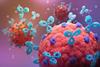
NewsNew CAR T therapy targets solid tumours safely and effectively
USC researchers have engineered CAR T cells to deliver a dual protein therapy that targets solid tumours – offering hope for cancers previously resistant to treatment.
-
 Article
Fast-tracking advanced therapies without compromising regulatory success
Early planning for potency CQAs, comparability and evolving global regulations can set advanced therapies on the fastest path to approval. Dr Christian Schneider shares how to prepare from the start to accelerate development without compromising the evidence regulators expect.
-
 News
NewsSenolytic drug combo boosts cancer immunotherapy and reduces side effects
Researchers have discovered that targeting immune cell ageing can overcome resistance to head and neck cancer treatment.
-
 Article
From data to therapy: emerging tech driving cancer drug discovery
Multiomics, AI and liquid biopsies are giving researchers real-time insight into tumour biology and enabling more personalised cancer therapies. Find out how these technologies are advancing biomarker discovery, improving patient stratification, and guiding the design of new treatments.
-
 News
NewsProtecting bones from cancer damage: targeting the UPR pathway
New research highlights how cancer hijacks the unfolded protein response (UPR) in bone cells – potentially allowing for the development of therapies that target this pathway to prevent fractures.