



All Drug Development articles – Page 9
-
 News
NewsNew study links prenatal DNA screening to better CMV treatment decisions
A new study suggests that a low-cost form of non-invasive prenatal screening could help clinicians identify pregnant women at highest risk of transmitting cytomegalovirus to their babies.
-
 News
NewsNew AI genomics platform targets kidney and cardiorenal disease
Seattle-based biotech company, Variant Bio, have launched Inference, an AI-powered genomics platform designed to accelerate drug discovery and identify genetically supported targets.
-
 Article
Fertility beyond IVF: therapeutic advances in reproductive biotech
Procedural advances in IVF are reaching their biological limits. Reproductive biotech is now moving upstream, developing first in class therapeutics that target meiosis, gamete quality and implantation biology as druggable mechanisms in early discovery.
-
 News
NewsNew Lumos AI platform targets precision in mental health drugs
Headlamp Health has launched Lumos AI®, a new decision-support platform designed to bring greater precision to neuroscience drug development.
-
 News
NewsPitavastatin identified as potential treatment for triple-negative breast cancer
A commonly prescribed cholesterol-lowering drug, called pitavastatin, could be used to treat patients with triple-negative breast cancer, after researchers found that it has the ability to block a key cancer survival protein.
-
 News
NewsPropofol and insulin may reduce cognitive decline in older age
New research from the University of Illinois suggests that widely used drugs, including propofol and intranasal insulin, could help protect ageing brains from memory decline and postoperative cognitive impairment.
-
 News
NewsTRPM5 protein switch discovery could lead to new diabetes drugs
Northwestern University scientists have discovered a hidden ‘control switch’ in the TRPM5 protein, which helps regulate taste, blood sugar and gut health and could lead to new therapies for targeting diabetes and obesity.
-
 News
NewsInsilico secures $888million Servier partnership for AI oncology
Insilico Medicine and Servier have announced a multi-year collaboration to accelerate the discovery of new cancer therapies, using artificial intelligence to tackle challenging oncology targets and shorten early-stage drug development timelines.
-
 News
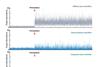
NewsControlling cellular noise may stop cancer and bacterial relapse
Scientists have developed a new mathematical ‘Noise Controller’ that can stabilise random cellular fluctuations, offering a potential breakthrough in preventing cancer recurrence and antibiotic resistance.
-
 News
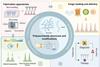
NewsPolysaccharide microneedles: the future of cancer immunotherapy
Polysaccharide-based microneedles are emerging as a dual-action platform for cancer immunotherapy, delivering anti-cancer drugs directly to the skin while actively modulating the immune system.
-
 News
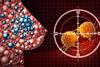
NewsHow aggressive breast cancer evades the immune system
Researchers in China have discovered a previously unknown mechanism that allows aggressive breast cancers to avoid immune attack, while simultaneously exposing a weakness that could make these tumours especially responsive to existing immunotherapy treatments.
-
 Article
The data fragmentation problem holding drug discovery back
The DMTA cycle depends on clear data flow, yet most labs still work across disconnected systems. Sean McGee, Director of Product at Certara, explains how better infrastructure and AI can help teams work faster and make decisions with more confidence.
-
 News
NewsBrain ‘master switch’ discovery could lead to new neurodegenerative therapies
Scientists have captured, for the first time, dynamic changes in a crucial neuronal ‘master switch’ inside the living brain, potentially informing new future treatments for neurodegenerative diseases.
-
 News
NewsBlocking PAF receptor could offer new liver cirrhosis treatment
Spanish researchers have discovered a key inflammatory mechanism that could lead to new innovative treatments to reduce liver damage and improve vascular function in cirrhosis.
-
 News
NewsHomer1 gene discovery could lead to new ADHD therapies
A new study published has demonstrated that reducing background brain activity can sharpen attention, identifying the Homer1 gene as key to developing new targeted treatments for ADHD and related disorders.
-
 News
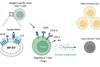
NewsEngineered extracellular vesicles control immune responses
Researchers have engineered new extracellular vesicles that can selectively induce antigen-specific regulatory T cells, possibly leading towards safer, more precise treatments for autoimmune and allergic diseases.
-
 Article
Peptides in practice: what it takes to advance these therapies to clinic
Peptide therapeutics are emerging as a powerful class of medicines capable of targeting diseases that challenge traditional modalities. This article reveals their rising clinical impact and the key development, safety and translational challenges that must be addressed to bring them successfully to patients.
-
 News
NewsNew research aims to make FDA-approved drugs safer for the brain
Life-saving HIV and cancer drugs can carry serious neurological risks, and new funding will help UMBC researchers discover how these medicines damage the brain – which could help to inform safer treatments.
-
 News
NewsNew study identifies genetic weakness in deadly Candida auris fungus
Scientists at the University of Exeter have discovered a genetic process in the deadly hospital fungus Candida auris, which could help to develop new treatments.
-
 News
NewsExperimental drug NU-9 reduces toxic amyloid in early Alzheimer’s
A recently developed experimental drug, called NU-9, has shown promise in targeting a toxic form of amyloid beta – halting Alzheimer’s disease before symptoms appear.