

All Drug Discovery Processes articles
-
 News
NewsMirrored molecules target disordered proteins in Alzheimer’s disease
Researchers at Kobe University have developed a novel approach to Alzheimer’s disease treatment by engineering right-handed amino acid chains that bind to amyloid-beta proteins. The method, inspired by materials science principles of chirality, demonstrated effective inhibition of toxic protein aggregation in mouse brain cell cultures, maintaining cell viability where amyloid-beta alone reduced it by 50 percent.
-
 News
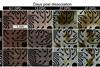
NewsScientists scale up neural organoid studies for drug testing
Researchers at King’s College London have developed a hybrid neural organoid approach that addresses longstanding limitations in scalability, reproducibility and longitudinal analysis. By dissociating 3D organoids and culturing pooled cells on microelectrode arrays, the team created 2D networks that retain cellular diversity whilst enabling consistent, long-term tracking of neural activity across parallel cultures.
-
 News
NewsScientists link IVNS1ABP gene to new ageing disorder
An international research team has identified a previously unknown genetic disease characterised by premature ageing and progressive neurological decline. Using genome sequencing combined with induced pluripotent stem cell technology, scientists traced the condition to a mutation in the IVNS1ABP gene and uncovered disrupted actin dynamics during cell division as the underlying pathological mechanism.
-
 News
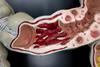
NewsAI discovers peptide that eases ulcerative colitis symptoms
Researchers at First Hospital of Jilin University have used machine learning to identify antimicrobial peptides with therapeutic potential for ulcerative colitis. The AI-driven approach screened over 6,000 candidates, identifying a lead peptide that demonstrated superior efficacy to standard treatments in preclinical models by reducing inflammation, restoring gut barrier integrity and selectively modulating the microbiome.
-
 News
NewsBlocking protein pathway may slow Huntington’s disease
Researchers have identified a previously unknown cellular mechanism involving tunnelling nanotubes and the protein SLC4A7 that enables toxic huntingtin to spread directly between neurons, offering new therapeutic targets for Huntington’s disease.