



All Genomics & Sequencing articles – Page 4
-
 Article
AI steps into drug safety: predicting liver injury earlier than ever before
Drug-induced liver injury remains one of drug development’s most costly pitfalls. Now, AI and transcriptomics may offer a way to spot risks long before they reach patients.
-
 Article
Why tau still lacks treatments and how funders are responding
Tau drives PSP, CBD and other neurodegenerative diseases, yet there are still no disease-modifying treatments. Here, Dr Glenn Harris from the Rainwater Charitable Foundation shares how a coordinated funding effort is supporting basic research to understand tau mechanisms, improve detection and progress therapeutic development.
-
 News
NewsMaternal stress may alter foetal brain development via immune pathways
Stress during pregnancy may disrupt the maternal gut-immune system, altering foetal brain development and revealing sex-specific vulnerabilities linked to neurodevelopmental risk
-
 News
NewsNew study links prenatal DNA screening to better CMV treatment decisions
A new study suggests that a low-cost form of non-invasive prenatal screening could help clinicians identify pregnant women at highest risk of transmitting cytomegalovirus to their babies.
-
 News
NewsNew AI genomics platform targets kidney and cardiorenal disease
Seattle-based biotech company, Variant Bio, have launched Inference, an AI-powered genomics platform designed to accelerate drug discovery and identify genetically supported targets.
-
 News
NewsHomer1 gene discovery could lead to new ADHD therapies
A new study published has demonstrated that reducing background brain activity can sharpen attention, identifying the Homer1 gene as key to developing new targeted treatments for ADHD and related disorders.
-
 News
NewsNew research aims to make FDA-approved drugs safer for the brain
Life-saving HIV and cancer drugs can carry serious neurological risks, and new funding will help UMBC researchers discover how these medicines damage the brain – which could help to inform safer treatments.
-
 News
NewsNew study identifies genetic weakness in deadly Candida auris fungus
Scientists at the University of Exeter have discovered a genetic process in the deadly hospital fungus Candida auris, which could help to develop new treatments.
-
 Article
Why patient-derived biology matters for ADC discovery
What can we learn from tumours after they stop responding to treatment? By studying patient tissue directly, researchers are finding new ADC targets that conventional screening often misses.
-
 Article
Building better biologics and a stronger future for women in STEM
Great biologics don’t happen by chance, and neither do great STEM careers. Dr Lidia Serina shares the lessons behind both.
-
 News
NewsNew AI model links genetic mutations to specific diseases
Scientists have developed a new artificial intelligence tool that can identify harmful genetic mutations and predict the types of diseases they are likely to cause, offering faster diagnosis and new opportunities for drug discovery.
-
 Article
The future of obesity drugs starts in preclinical discovery
Progress in preclinical models and biomarker science is improving early-stage obesity drug development. This article outlines the emerging targets and technologies behind this shift.
-
 News
NewsAutomated lung organoids to speed up new drug development
Scientists have developed an automated method to grow lung organoids, with the hope of speeding up drug testing, reducing reliance on animal models and helping to develop new personalised treatments.
-
 News
NewsNew mRNA therapy targets drug-resistant pneumonia
A new mRNA therapy that prompts the body to produce bacteria-killing ‘peptibodies’ has shown early success in preclinical models, offering a potential new tool in the fight against antibiotic-resistant pneumonia.
-
 Article
Mapping the genome in 3D to reveal new drug targets
Find out how a three-dimensional view of the genome is giving scientists a clearer picture of disease biology and revealing new opportunities for targeted therapies.
-
 News
NewsOTULIN enzyme found to control tau production in Alzheimer’s
New research has shown that the enzyme OTULIN regulates tau at the gene-expression level rather than through protein degradation.
-
 Article
Mapping lipid pockets to drug the undruggable proteome
Tasca Therapeutics is using chemical proteomics to map lipid-binding pockets on proteins. By targeting auto-palmitoylation, the company aims to turn previously undruggable cancer drivers into viable therapeutic targets.
-
 News
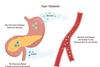
NewsBlood stem cell and islet cell transplant combo reverses Type 1 diabetes
Stanford researchers have cured Type 1 diabetes in mice using a combination of blood stem cell and pancreatic islet cell transplants.
-
 Article
Advancing disease biomarker research with EV multiplex profiling
Vanitha Margan, Global Product Manager for Bio-Plex Multiplex Immunoassays at Bio-Rad Laboratories, reveals how multiplexing is being used to realise the full potential of extracellular vesicles in disease monitoring.
-
 News
NewsBacterial traces discovered within gliomas and brain metastases
Scientists have discovered active bacterial traces inside brain tumours, overturning assumptions about the brain’s sterility and opening up new possibilities for understanding – and potentially treating – gliomas and brain metastases.