



All Genomics & Sequencing articles – Page 3
-
 News
NewsNew immune mapping reveals lung tumour microenvironment dynamics
VIB-VUB researchers have developed a patient-relevant lung adenocarcinoma model combined with SEPARATE-Seq technology to create detailed immune maps distinguishing tissue-infiltrating cells from circulating populations.
-
 Article
Variant or viable target? How resolving complex genomic regions is reshaping rare disease therapeutics
Dr Aaron Wenger reveals how improvements in long-read sequencing technology is enabling the elucidation of complex disease mechanisms for targeted and effective treatments for rare diseases.
-
 News
News10x Genomics launches Atera whole-transcriptome spatial biology platform
The new platform enables researchers to analyse gene expression and cellular organisation within intact tissue at single-cell resolution, supporting large-scale studies across fresh-frozen and FFPE samples. Early adopters include leading research institutions and global service providers, with cloud-based analysis tools and direct sample processing services now available.
-
 News
NewsNew platform reveals shared drug targets across genetic mutations in cancer and neurodegeneration
Researchers have developed PerturbFate, a platform that simultaneously tracks gene expression, RNA dynamics and chromatin accessibility across thousands of genetic perturbations in single cells. Applied to melanoma drug resistance, the technology revealed that diverse mutations converge on shared regulatory nodes, offering a route to therapies targeting common mechanisms rather than individual genetic alterations.
-
 Article
Beyond serendipity: rational design and AI’s expansion of the undruggable target landscape
For decades, drugging the ‘undruggable’ was thought to require luck rather than logic. Today, AI is transforming serendipity into strategy by enabling rational, data-driven approaches to previously inaccessible targets.
-
 News
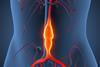
NewsOsteoporosis drugs may slow progression of aortic aneurysms
Researchers at Nagoya University have identified clonal haematopoiesis as a driver of aortic aneurysm progression and demonstrated that FDA-approved osteoporosis therapies targeting the RANK/RANKL pathway can significantly slow disease progression in preclinical models.
-
 Report
CRISPR & Genomics: Turning Data into Confident Drug Discovery Decisions
Early drug discovery has no shortage of genomic data, but confidence remains scarce. This report examines how CRISPR, functional genomics and human-relevant models are being applied to determine which signals matter, how they influence disease biology and which targets and strategies are worth pursuing.
-
 Article
Computational design drives new generation of synthetic promoters
Designing gene control from scratch is becoming possible. SynGenSys is using computational design to create synthetic promoters for advanced therapies.
-
 News
NewsScientists link IVNS1ABP gene to new ageing disorder
An international research team has identified a previously unknown genetic disease characterised by premature ageing and progressive neurological decline. Using genome sequencing combined with induced pluripotent stem cell technology, scientists traced the condition to a mutation in the IVNS1ABP gene and uncovered disrupted actin dynamics during cell division as the underlying pathological mechanism.
-
 Interview
From scientist to bioinformatician: how AI coding tools dissolved the activation energy barrier
A biotech CEO with decades of scientific experience but sporadic coding practice gained practical bioinformatics capabilities in six weeks using AI coding assistants.
-
 News
NewsLab-made lncRNA could lead to new anti-inflammatory drugs
Scientists at the University of Toronto have created long noncoding RNA outside living cells for the first time, a breakthrough that has already produced experimental anti-inflammatory molecules.
-
 Article
How brain donation is driving autism research
To study the biological underpinnings of autism, researchers must examine the human brain itself. This article explores how Autism BrainNet supports this work through coordinated tissue donation and preservation.
-
 News
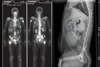
NewsCat cancer study reveals targets for human drugs
A major international study has discovered genetic similarities between cancers in cats and humans, potentially helping to inform future drugs that could benefit both species.
-
 News
NewsInsilico and MSK partner on AI research for gastroesophageal cancer
A new research collaboration between Insilico Medicine and Memorial Sloan Kettering Cancer Center aims to harness generative AI technology to identify novel therapeutic targets for gastroesophageal cancers.
-
 News
NewsCC023 mice reveal how ALS can develop after viral infections
Researchers have discovered a mouse strain that mirrors ALS in humans following a viral infection, offering new insights into how the disease develops, potentially opening new pathways for early diagnosis and drug development.
-
 Article
Drug development in 2026: NAMs, safety and regulatory changes
2026 is set to be a pivotal year for drug discovery, with advances in NAMs and evolving regulatory approaches promising faster, safer early drug development and accelerated delivery of therapies for patients with rare or unmet medical needs.
-
 News
NewsHow ageing cells affect brain development and neurodegeneration
New research has revealed how cellular senescence – the process in which ageing cells change function – shapes human brain structure from development to old age, improving our understanding of brain ageing and neurodegenerative diseases.
-
 News
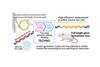
NewsNew TECHNO platform enables large-scale human gene integration in mice
Japanese researchers have developed a new gene-editing platform, TECHNO, that allows entire human genes – including regulatory regions – to be inserted into mice, allowing for better disease modelling and drug testing.
-
 Article
Rethinking drug discovery through transcription factor biology
Complex diseases rarely have single targets. By focusing on transcription factor activity and disease signatures, Scripta Therapeutics is taking a different approach to identifying the drivers of pathology.
-
 Article
2026: the year AI stops being optional in drug discovery
AI is moving from a supporting role into the core of drug discovery. By 2026, it is expected to shape how targets are chosen, how biology is analysed and how development decisions are made.