



All Genomics & Sequencing articles – Page 2
-
 News
NewsFullscope-seq maps transcript isoforms with spatial single-cell resolution
Researchers have developed Fullscope-seq, a long-read spatial transcriptomics platform that maps alternative transcript isoforms within intact tissues at single-cell resolution – opening new possibilities for target identification and precision biomarker discovery.
-
 News
NewsLandmark fibromyalgia study highlights neurological targets for new therapies
A landmark genome-wide study of more than 2.5 million adults has identified 26 genomic regions linked to fibromyalgia, confirming a neurological basis for the condition and opening new avenues for targeted drug discovery.
-
 News
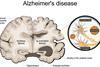
News3D genome reorganisation identified as Alzheimer’s disease molecular hallmark
An international study combining single-cell genomics, spatial transcriptomics and artificial intelligence has identified large-scale changes in three-dimensional genome organisation in Alzheimer’s-affected brain cells, establishing chromatin architecture as a previously overlooked component of the disease’s molecular pathology and a potential framework for future therapeutic targeting.
-
 Webinar
Meeting ethical & regulatory requirements when using human biological specimens
Whether you source, purchase or work with human biospecimens, understanding today’s ethical and regulatory expectations is essential. Join this webinar to explore informed consent, privacy and the principles that support responsible research.
-
 News
NewsSpatial map reveals hidden complexity of bladder cancer tumours
Researchers at MD Anderson Cancer Center have used spatial transcriptomics to chart the internal architecture of muscle-invasive bladder cancer, revealing that luminal and basal cancer cell programmes coexist within single tumours – a finding with significant implications for treatment stratification.
-
 Article
From R&D to QC: building a single analytical strategy for cell and gene therapies
From early research to quality control, maintaining analytical continuity is no easy task. Could a single sequencing workflow help simplify analytical assessment?
-
 News
NewsCerebral organoids identify Ebola virus persistence in neural tissue
Researchers have used human brain organoids to demonstrate that Ebola virus can replicate in neural tissue for up to 120 days, offering new insights into viral persistence mechanisms in immune-privileged sites and late-stage inflammatory complications in survivors.
-
 Article
Small tags, big advances: studying endogenous proteins in their native context
By combining CRISPR knock-in with small peptide tags, researchers can study proteins in their native cellular context, generating more predictive data for translational drug discovery.
-
 Report
Context is everything: how spatial biology is changing our understanding of disease
Discover how spatial biology is revealing disease mechanisms with implications for biomarkers, immunotherapy and drug development.
-
 News
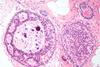
NewsGene-based CIN score predicts breast cancer survival and immunotherapy response
A 13-gene chromosomal instability scoring system developed by Shanghai researchers correlates with survival outcomes and immunotherapy response in breast cancer patients.
-
 News
NewsParse Biosciences and bit.bio map transcription factor-driven cell identity
Parse Biosciences and bit.bio have formed an alliance to map transcription factor-driven cell identity using single cell sequencing and causal transcriptomics.
-
 Article
Machine learning identifies biological signals linked to emotional hunger
Researchers at Phenomix Sciences are using machine learning and genetic risk scoring to investigate emotional hunger, an obesity phenotype linked to emotional and reward-driven eating behaviours. Dr Timothy O’Connor discusses how the approach could improve patient stratification, obesity research and treatment selection.
-
 Article
Turning GWAS signals into drug targets with scalable CRISPR
Genome-wide association studies have linked thousands of genetic variants to disease, yet most remain disconnected from drug-relevant biology. Neville Sanjana, Professor at New York University and Core Faculty Member at the New York Genome Center, explains how scalable CRISPR screens systematically link noncoding variants to causal genes and therapeutic targets.
-
 News
NewsOutSee wins Longitude Prize award for ALS target discovery
OutSee has secured a Discovery Award from the Longitude Prize on ALS, providing £100,000 in funding and access to genomic data from 9,000 patients. The company will deploy its AI-driven Nomaly platform to identify novel therapeutic targets for amyotrophic lateral sclerosis over a nine-month research programme.
-
 News
NewsAI-designed viral vectors achieve 50-fold brain enrichment over AAV9
WhiteLab Genomics has presented preclinical data showing that viral vectors designed using artificial intelligence achieved approximately 50-fold higher DNA enrichment in the brain compared to AAV9, with no detectable liver signal following intravenous administration in mice.
-
 News
NewsNew RNA sequencing method reveals molecular structures at single-molecule resolution
A*STAR scientists have developed sm-PORE-cupine, a nanopore-based sequencing method that maps individual RNA structures at single-molecule resolution.
-
 News
NewsASGCT 2026 Annual Meeting opens in Boston this week
The American Society of Gene & Cell Therapy’s 2026 Annual Meeting opens in Boston on 11 May, bringing together thousands of researchers, clinicians and industry leaders for five days of scientific programming.
-
 Article
Turning CRISPR hits into confident drug discovery decisions
Functional genomics is central to modern drug discovery, yet high attrition rates persist. In this article, Dr Salman Tamaddon-Jahromi, a postdoctoral research associate at the University of Cambridge, discusses how end-to-end CRISPR screening strategies, iPSC-derived neuronal models and layered quality control can convert functional genomics signals into actionable therapeutic hypotheses.
-
 Article
The scale divide: competing strategies in AI drug discovery
Two approaches to AI in preclinical drug discovery are diverging, from multi-thousand GPU systems to models with only a handful of parameters, with early results raising questions about which will deliver.
-
 News
NewsAI tool reveals DNA exists in partially open states
Researchers have discovered that DNA wrapped around nucleosomes exists in multiple partially open states rather than simply locked or accessible configurations.