

A decade-long study from The University of Queensland’s Institute for Molecular Bioscience reveals that activating mitochondrial fission through HDAC6 inhibition can restore immune cell function against bacterial infections.
Researchers at The University of Queensland have identified a new approach to tackling antibiotic-resistant infections by helping the body’s own immune system fight harmful bacteria.
The study found that activating a natural cellular process known as mitochondrial fission can strengthen the body’s antibacterial defences without directly targeting bacteria in the way antibiotics do.
The findings could support the development of alternative therapies aimed at addressing the growing global threat of antimicrobial resistance.
New approach to fighting infections
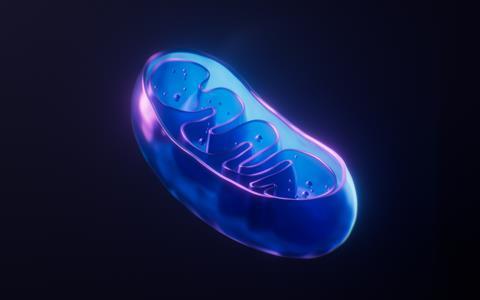
Mitochondrial fission is a process whereby mitochondria divide into smaller units in response to stress, including infection.
Some bacteria have developed ways to block the mitochondrial fission process, enabling the invading pathogens to survive and allowing the infection to continue.
“Our research found an experimental treatment called an HDAC6 inhibitor can re-activate the mitochondrial fission process in immune cells to fight invading bacteria,” said Dr Matt Curson, Research Officer at the University of Queensland’s Institute for Molecular Bioscience. “This treatment works by modifying the body’s immune response to support mitochondrial fission, enabling it to fight bacteria without targeting bacteria directly, like antibiotics.”
The treatment belongs to a class of medicines known as host-directed therapies, or HDTs, which aim to strengthen the body’s immune response rather than attack bacteria directly.
Decade-long research effort
The research, which took more than 10 years to complete, demonstrated that mitochondrial fission improves the body’s antibacterial response in mammalian cells and animal models.
The team found that infection with Escherichia coli infection triggered mitochondrial fission, activating the body’s intracellular energy reserves.
“The triggering of this cellular process then activates the body’s intracellular energy reserves to accumulate antimicrobial lipid droplets – defence mechanisms that help fight off infections.” Dr Curson said. ”Antimicrobial resistance, including resistance to antibiotics, has been identified by the World Health Organization as one of the leading global public health threats and is expected to worsen in the coming years.”
Hope against ‘superbugs’
Professor Matt Sweet, Group Leader at the Institute for Molecular Bioscience at The University of Queensland, said infections caused by bacteria resistant to multiple antibiotics, commonly referred to as ’superbugs’, were becoming increasingly difficult to treat.
“Antibiotic resistance leaves us vulnerable, but our research shows HDTs could achieve positive outcomes,” Professor Sweet said. “These findings could lead to the development of new HDTs to fight antibiotic-resistant bacterial infections, including for life-threatening conditions like sepsis.”





No comments yet