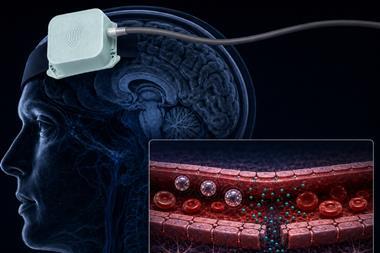
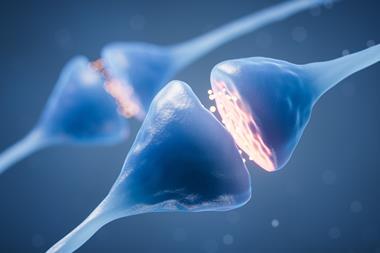
Scientists have identified an overactive brain cell type linked to schizophrenia-like symptoms in mice – a discovery that could lead to new, targeted treatments to prevent cognitive impairments.
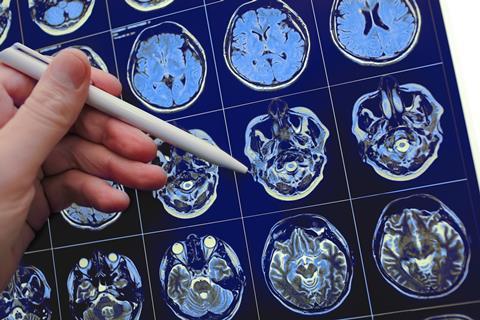
Difficulty carrying out everyday tasks, failing memory and poor concentration are among the cognitive challenges that many people living with schizophrenia face. In addition to well-known symptoms such as hallucinations and delusions, these difficulties can make life hard for people living with the condition.
Now, researchers at the University of Copenhagen believe they may be one step closer to preventing these symptoms.
Brain cell overactivity linked to schizophrenia-like behaviour
In a new study, scientists discovered that a specific type of brain cell is unusually active in mice displaying schizophrenia-like behaviour. When the researchers reduced the activity of these cells, the animals’ behaviour changed significantly.
“Current treatments for cognitive symptoms in patients with diagnoses such as schizophrenia are inadequate. We need to understand more about what causes these cognitive symptoms that are derived from impairments during brain development. Our study may be the first step toward a new, targeted treatment that can prevent cognitive symptoms,” says Professor Konstantin Khodosevich from the Biotech Research and Innovation Centre at the University of Copenhagen.
Early turning point may hold key to prevention
Schizophrenia occurs due to abnormal brain development, which can begin even before birth, though symptoms typically do not appear until adolescence or even adulthood.
“For a long time, the brain is able to compensate for developmental errors and maintain relatively normal function. But at some point, it’s like a chain snapping – the brain can no longer compensate, and that’s when symptoms emerge. Until that point, however, prevention should be possible,” says Katarina Dragicevic, one of the study’s first authors.
For a long time, the brain is able to compensate for developmental errors and maintain relatively normal function. But at some point, it’s like a chain snapping – the brain can no longer compensate.
By studying brain development from the foetal stage through to adulthood, the team found that the most dramatic changes occur later in development. Up until the transition from childhood to adolescence, changes were relatively minor – possibly explaining the absence of symptoms in earlier years.
“Our study shows that until a specific point, brain development is largely unaffected by changes. The period leading up to that point may represent a treatment window where we can prevent functional impairment,” she adds.
Sleep disturbances offer clues to brain function
The research focused on mice with a genetic mutation known as 15q13.3 microdeletion syndrome – a condition in humans associated with epilepsy, schizophrenia, autism and other neurodevelopmental disorders.
“We know that sleep is often disrupted in people with psychiatric disorders, so we chose to use sleep as a behavioural marker – something we could observe,” said Dragicevic. “We examined both the mice’s behaviour and the activity of a specific type of brain cell. Our findings show that one particular cell type is significantly affected in the test animals compared to healthy mice.”
Though these brain cells make up only small portion of the brain’s total population, they play an critical role in regulating many functions.
A new target for future therapies
The study not only links this rare brain cell type to sleep regulation but also reveals that reducing their activity caused the mice’s sleep patterns to resemble those of healthy mice.
“This means that this type of brain cell plays a critical role in sleep in mice with this syndrome. Using a technique called chemogenetics, we can reduce the activity of these cells and restore normal sleep patterns – potentially alleviating other psychiatric symptoms as well,” says Assistant Professor Navneet A. Vasistha from the Biotech Research and Innovation Centre, and one of the study’s lead authors.
The study not only links this rare brain cell type to sleep regulation but also reveals that reducing their activity caused the mice’s sleep patterns to resemble those of healthy mice.
While human applications remain a long way off, researchers view this discovery as an important moment in their mission to develop new treatments.
“This cell type could potentially become a treatment target. We hope that in the future, patients will benefit from a therapy for cognitive disorders that doesn’t broadly affect brain cells but is so precisely targeted that side effects can be minimised,” adds Vasistha.



Topics
- Analytical Techniques
- Disease Research
- Diseases
- Drug Discovery
- Drug Discovery Processes
- In Vivo Testing
- Katarina Dragicevic (Researcher at the University of Copenhagen)
- Molecular Biology
- Molecular Targets
- Neurological disorders
- Neuroprotection
- Neurosciences
- Professor Konstantin Khodosevich (Biotech Research and Innovation Centre at the University of Copenhagen)
- the University of Copenhagen
- Tools and techniques
- Translational Science