


All Ion Channels articles
-
 News
New TRPV1 study could change how painkillers are designed
Researchers have found that the TRPV1 pain receptor responds differently to individual stimuli, revealing functional differences that could help inform the development of more selective pain medicines.
-
 News
Brain circuit linking cold exposure to metabolism identified in hypothalamus
Researchers at USF Health have identified a previously unknown brain circuit in the hypothalamus that coordinates eating behaviour, heat production and energy expenditure in response to cold, with implications for obesity and metabolic disease drug discovery.
-
 News
Why researchers are targeting Nav1.7 in the search for longer-lasting pain relief
Humanised antibodies targeting the voltage-gated sodium channel Nav1.7 have demonstrated prolonged suppression of neuropathic pain in a rat model.
-
 News
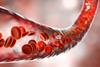
MIT engineers control blood vessel growth using mechanical stretching
Engineers at MIT have developed a technique to direct blood vessel growth using mechanical forces, offering a potential solution to one of tissue engineering’s most persistent obstacles: vascularisation.
-
 Article
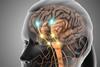
Why NMDA receptor modulation remains central to next-generation depression therapies
A key player in brain communication and mood regulation, the pharmaceutical industry views the NMDAR as the central pillar for next-generation therapies for depression. Dirk Beher from FundaMental Pharma reveals new strategies for targeting this important receptor.
-
 News
Lario raises $2.4m for neurological drug development
Lario Therapeutics has secured $2.4 million in funding from The Michael J. Fox Foundation for Parkinson’s Research and Wellcome to accelerate development of its neuronal calcium channel platform.
-
 News
Siglec-15 identified as key target in paediatric brain cancer
Scientists have identified a previously unknown lysosomal signalling pathway that drives growth in drug-resistant SHH medulloblastoma, which could lead to more precise and less harmful treatments for children with aggressive brain tumours.
-
 News
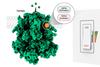
TRPM5 protein switch discovery could lead to new diabetes drugs
Northwestern University scientists have discovered a hidden ‘control switch’ in the TRPM5 protein, which helps regulate taste, blood sugar and gut health and could lead to new therapies for targeting diabetes and obesity.
-
 News
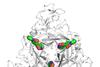
Blocking the P2X4 receptor: a potential pathway to new therapies
Researchers have discovered how to inhibit the P2X4 receptor, a key protein linked to chronic pain, inflammation and certain cancers.
-
 Article
Meet WRPRFa: the precision peptide changing how we study pain
A newly developed peptide, WRPRFa, is giving scientists a clearer view of how the acid-sensing ion channel (ASIC3) drives pain signalling.
-
 Webinar
Can One Peptide Change Pain Research? Meet the Tool Transforming Drug Discovery
Discover how a new peptide tool, WRPRFa, is helping researchers better understand pain pathways and accelerate the search for next-generation analgesics.
-
 News
Experimental drug targets gene driving severe seizures in children
Researchers at the Fralin Biomedical Research Institute are developing a targeted KCNT1 inhibitor that has shown early promise in reducing seizures in preclinical models.
-
 News
Reelin identified as key marker of cocaine-activated brain cells
Researchers at the University of Alabama have identified reelin, a glycoprotein known for its role in brain development, as a key regulator of neurons in the brain's reward centre, potentially making way for targeted therapies against cocaine use.
-
 News
High-throughput NaV1.9 assay to advance pain therapies
Metrion Biosciences has introduced a breakthrough NaV1.9 screening assay, aimed at overcoming historical challenges in pain research and advancing the development of non-opioid treatments.
-
 News
Metrion Biosciences appoints Lee Patterson as CEO
Metrion Biosciences is set to accelerate its global expansion and enhance its leadership in ion channel drug discovery services.
-
 Article
Advanced techniques in toxicity testing
Tune in to this episode where we explore how innovative assays and human-relevant cell models are transforming toxicity screening in drug development.
-
 News
Finding the fundamental pathway in ALD pathogenesis
Liver-specific knockdown of TRPC3 enhanced alcohol's inhibitory effect on AMPK through a mechanism of Ca2+-dependent CaMKK2 activation.
-
 News
Potential target found for CDKL5 deficiency disorder
Using phosphoproteomics, the calcium channel Cav2.3 was found as a target to treat a type of genetic epilepsy, CDKL5 deficiency disorder.