



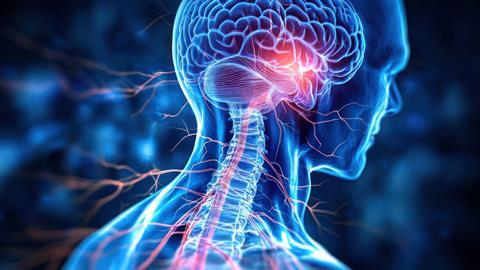
A preclinical study reports that using highly selective humanised antibodies against Nav1.7 reduces pathological pain signalling in nerve-injured rats without significantly disrupting physiological nociception or motor performance.
Pain is normally a useful warning system. When tissue is damaged or threatened, sensory nerves generate signals that alert the brain to potential harm. Neuropathic pain is different as damage or dysfunction in the nervous system can cause nerves to generate abnormal signals that persist even when there is no new injury.
Existing treatments can provide incomplete relief and may produce unwanted effects. This has encouraged researchers to look for targets that are more closely linked to pathological pain signalling.
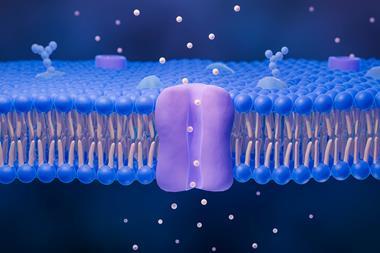
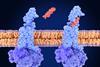
The new study, led by Associate Professor Daisuke Uta of the University of Toyama and Dr Sosuke Yoneda of Shionogi & Co., Ltd., focuses on Nav1.7, a voltage-gated sodium channel found in sensory neurons.
NaV1.7 is a specialised sodium ion channel in nerve cells that plays an important role in sensing and transmitting pain signals.”
Dr Daisuke Uta, Researcher and Associate Professor at the Department of Applied Pharmacology at the Faculty of Pharmaceutical Sciences, University of Toyama
Why Nav1.7 matters
Sodium channels help nerve cells generate and transmit electrical signals. Nav1.7 is particularly important in sensory neurons involved in pain.
Human genetics has made Nav1.7 an attractive target: people with loss-of-function changes affecting the channel can experience profound insensitivity to pain. Yet translating this biological insight into effective medicines has proved difficult. Previous small-molecule Nav1.7 inhibitors have not consistently produced the degree of pain relief anticipated from the genetics.
The new study takes a different approach by using antibodies rather than a conventional small-molecule inhibitor.
A highly selective antibody
The researchers developed humanised antibodies designed to recognise Nav1.7. In cell-based experiments, the antibodies bound selectively to the channel and reduced electrical activity in neurons involved in pain signalling.
Two candidates, Clone1 and S-151128, showed particularly strong binding. Their selectivity for Nav1.7 was at least 650-fold and 1,300-fold respectively compared with the other Nav channel subtypes tested.
That selectivity matters for drug discovery because sodium channels belong to a closely related family. Interfering with other family members can potentially produce unwanted effects, making it difficult to develop drugs that affect the desired pathway without disturbing other neuronal functions.
The researchers then moved from cells to a rat model of neuropathic pain caused by partial sciatic nerve ligation.
Both antibodies were given intravenously and reduced sensitivity to mechanical stimulation in a dose-dependent manner. At some doses, their effects were comparable with pregabalin, an established medicine used for neuropathic pain. Most notably, the antibody effects remained stronger than those of pregabalin 96 hours after treatment.
Looking beyond behaviour
An important part of the study was determining whether the behavioural changes were accompanied by alterations in pain-related neural activity.
Following nerve injury, neurons in the spinal dorsal horn became more spontaneously active and responded more strongly to mechanical stimulation. Antibody treatment reduced both forms of activity.
The researchers also examined phosphorylation of extracellular signal-regulated kinase, or pERK, in dorsal root ganglion neurons. This provides a marker of neuronal activation following mechanical stimulation. Fewer neurons showed mechanically induced pERK after antibody treatment, providing additional evidence that the antibodies were suppressing abnormal pain signalling.
Can abnormal pain be separated from normal pain?
For pain drug discovery, this distinction is needs to be understood. Completely suppressing pain would remove an important protective response. The researchers therefore tested the antibodies in animals without nerve injury.
The antibodies did not significantly change responses to mechanical stimulation in these animals. Motor performance was also assessed using a rotating-rod test. Unlike pregabalin at the tested dose, the antibodies did not significantly impair motor performance.
Targeting Nav1.7 could help silence abnormal pain signals while preserving normal protective pain sensation.”
Dr Daisuke Uta, Researcher and Associate Professor at the Department of Applied Pharmacology at the Faculty of Pharmaceutical Sciences, University of Toyama
This result is particularly relevant to the development of treatments for chronic pain because it suggests that the antibody approach may distinguish between pathological signalling following nerve damage and physiological nociception.
What happens next?
The findings remain preclinical and as the researchers could not accurately determine how much antibody reached the injured nerve and the work used a single neuropathic pain model, testing in additional models will therefore be important.
The clinical picture around S-151128 also illustrates why translation requires caution. Shionogi has taken the antibody into human studies, including a Phase I study in healthy adults. A subsequent Phase Ib study in people with knee osteoarthritis enrolled 76 participants and examined safety and tolerability. Shionogi reported that the study did not confirm an analgesic effect in that patient population.
That does not directly test the antibody’s potential in neuropathic pain, which is the setting addressed by the new preclinical work. It does, however, underline an important issue for the field in that biologically compelling targets still need to demonstrate safety, appropriate drug exposure and meaningful clinical benefit in the specific pain condition being treated.
Meanwhile, Nav1.7 remains an active area of drug discovery, with approaches ranging from antibodies to gene-based strategies designed to reduce Nav1.7-related signalling.
For researchers, the study provides further evidence that highly selective manipulation of Nav1.7 can alter pathological pain signalling while leaving measured protective pain and motor function relatively intact – a hypothesis that now needs to be tested much more rigorously in other models and ultimately in appropriately selected patient populations.
Key facts
- Humanised antibodies selectively targeted Nav1.7.
- Clone1 and S-151128 showed at least 650-fold and 1,300-fold selectivity respectively over tested Nav subtypes.
- Systemic administration reduced pain-related sensitivity in nerve-injured rats.
- Analgesic effects lasted at least 96 hours in the model.
- The antibodies did not significantly alter normal mechanical pain responses or motor function under the conditions tested.






No comments yet