



All Analytical Techniques articles – Page 3
-
 News
NewsTangible Scientific launches platform to streamline compound logistics
A new US-based company has launched with the aim of tackling one of the most persistent operational challenges in modern drug discovery – the slow and fragmented handling of physical compounds.
-
 News
NewsMini-stomach organoids grown to improve disease research
Scientists have grown the first multi-regional “mini-stomach” in the lab, creating a new way to study rare genetic stomach diseases and help to develop new treatments for digestive conditions.
-
 News
NewsHow ageing cells affect brain development and neurodegeneration
New research has revealed how cellular senescence – the process in which ageing cells change function – shapes human brain structure from development to old age, improving our understanding of brain ageing and neurodegenerative diseases.
-
 News
NewsNew fluorescent technology tracks drug responses in cells
Researchers have developed new innovative fluorescent labels that allow scientists to observe cellular processes with unprecedented clarity – offering a powerful tool for medicine, drug research and cell biology.
-
 Article
AI steps into drug safety: predicting liver injury earlier than ever before
Drug-induced liver injury remains one of drug development’s most costly pitfalls. Now, AI and transcriptomics may offer a way to spot risks long before they reach patients.
-
 Article
Quality over quantity: drug discovery automation in 2026
Automation in 2026 is no longer judged by the volume of experiments, but by the reliability of the evidence they produce. As complex biology and tighter budgets collide, industry leaders are pivoting toward automated workflows to secure the data integrity required for confident, early-stage decision-making.
-
 News
NewsNew AI genomics platform targets kidney and cardiorenal disease
Seattle-based biotech company, Variant Bio, have launched Inference, an AI-powered genomics platform designed to accelerate drug discovery and identify genetically supported targets.
-
 News
NewsPitavastatin identified as potential treatment for triple-negative breast cancer
A commonly prescribed cholesterol-lowering drug, called pitavastatin, could be used to treat patients with triple-negative breast cancer, after researchers found that it has the ability to block a key cancer survival protein.
-
 News
NewsPropofol and insulin may reduce cognitive decline in older age
New research from the University of Illinois suggests that widely used drugs, including propofol and intranasal insulin, could help protect ageing brains from memory decline and postoperative cognitive impairment.
-
 News
NewsTRPM5 protein switch discovery could lead to new diabetes drugs
Northwestern University scientists have discovered a hidden ‘control switch’ in the TRPM5 protein, which helps regulate taste, blood sugar and gut health and could lead to new therapies for targeting diabetes and obesity.
-
 News
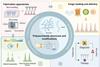
NewsPolysaccharide microneedles: the future of cancer immunotherapy
Polysaccharide-based microneedles are emerging as a dual-action platform for cancer immunotherapy, delivering anti-cancer drugs directly to the skin while actively modulating the immune system.
-
 News
NewsHow aggressive breast cancer evades the immune system
Researchers in China have discovered a previously unknown mechanism that allows aggressive breast cancers to avoid immune attack, while simultaneously exposing a weakness that could make these tumours especially responsive to existing immunotherapy treatments.
-
 Article
The data fragmentation problem holding drug discovery back
The DMTA cycle depends on clear data flow, yet most labs still work across disconnected systems. Sean McGee, Director of Product at Certara, explains how better infrastructure and AI can help teams work faster and make decisions with more confidence.
-
 News
NewsBlocking PAF receptor could offer new liver cirrhosis treatment
Spanish researchers have discovered a key inflammatory mechanism that could lead to new innovative treatments to reduce liver damage and improve vascular function in cirrhosis.
-
 News
NewsHomer1 gene discovery could lead to new ADHD therapies
A new study published has demonstrated that reducing background brain activity can sharpen attention, identifying the Homer1 gene as key to developing new targeted treatments for ADHD and related disorders.
-
 News
NewsNew study identifies genetic weakness in deadly Candida auris fungus
Scientists at the University of Exeter have discovered a genetic process in the deadly hospital fungus Candida auris, which could help to develop new treatments.
-
 News
NewsTiny RNA molecule helps viruses hijack bacterial cells
Scientists have discovered a hidden RNA ‘switch’ used by bacteriophages to hijack bacterial cells, revealing a new layer of viral control that could help advance phage therapy and efforts to combat antibiotic-resistant infections.
-
 News
NewsParkinson’s: new study rethinks dopamine’s role in movement
A new study is challenging long-held beliefs about dopamine’s role in movement, revealing new insights into how Parkinson’s disease treatments work and pointing towards more targeted future therapies.
-
 Article
Building better biologics and a stronger future for women in STEM
Great biologics don’t happen by chance, and neither do great STEM careers. Dr Lidia Serina shares the lessons behind both.
-
 Article
The future of obesity drugs starts in preclinical discovery
Progress in preclinical models and biomarker science is improving early-stage obesity drug development. This article outlines the emerging targets and technologies behind this shift.