



All Disease Research articles – Page 10
-
 News
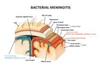
NewsMast cells: new target for preventing meningitis and brain disease
Scientists at Washington University School of Medicine have discovered that mast cells – immune cells best known for triggering allergic reactions – also help protect the brain from bacterial and viral infections. This could have important implications for treating brain infections in the future.
-
 News
NewsScientists discover neuron-like communication in gut cells
Scientists in Singapore have discovered that gut support cells – known as telocytes – use neuron-like extensions to deliver signals directly to intestinal stem cells. This could lead to new treatments for diseases such as inflammatory bowel disease and colon cancer.
-
 News
NewsNew 3D bioprinted lung tissue could transform respiratory research
UBC Okanagan researchers have developed a new 3D bio-printed lung model that closely mimics the complexity of human tissue – providing scientists with a powerful new tool for studying respiratory diseases.
-
 News
NewsDiscovery of hidden survival mechanism in MRSA points to new drug targets
In the fight against antibiotic-resistant bacteria, researchers at Michigan State University (MSU) have made a discovery that could change how we target deadly pathogens like Staphylococcus aureus and its drug-resistant strain - MRSA.
-
 News
NewsHow a PRL3-targeting cancer drug could help millions see again
Singapore researchers have found that cancer drug PRL3-zumab shows strong potential for treating wet age-related macular degeneration and diabetic retinopathy - two leading causes of blindness worldwide.
-
 News
NewsMicroglia replacement halts ALSP progression in landmark trials
Scientists from Fudan University have halted the progression of ALSP, a rare and fatal brain disease, using a pioneering microglia replacement therapy - marking the first effective clinical approach to tackling the disease.
-
 News
NewsThe unexpected role of FDA-approved drugs in making nanoparticles safer
Repurposing existing FDA-approved drugs could make nanomedicines safer by reducing harmful immune reactions, according to new research.
-
 News
NewsMicroglia discovery offers clues to Alzheimer’s progression
Immune cells in the brain called microglia may hold the key to improving blood flow and tackling diseases like Alzheimer’s, new research from the University of Virginia suggests.
-
 Article
What single cells are revealing about brain disorders
Single-cell and spatial technologies are giving researchers an unprecedented view of how brain diseases like Alzheimer’s really work. The result? Faster discovery, clearer targets and a new path towards more effective treatments.
-
 News
NewsNew mouse model mimics rare GRIN2D disorder
Researchers at Tel Aviv University have developed a new mouse model that accurately mimics a rare and severe genetic disorder caused by mutations in the GRIN2D gene – allowing for study of the disease’s progression and the testing of potential drug therapies.
-
 News
NewsNew data backs Myo4 for obesity treatment
MitoRx Therapeutics has announced new preclinical data for its small molecule Myo4, showing restored insulin sensitivity and enhanced fat loss with muscle preservation in an obesity model - offering a potential alternative to GLP-1-based therapies.
-
 News
NewsLiver organoids grow functional blood vessels in lab breakthrough
Scientists have successfully grown liver organoids with fully functional blood vessels- potentially allowing for the development of new treatments for haemophilia and liver disease.
-
 News
NewsMeet the hemifusome: a new organelle with big impact
Scientists have discovered a previously unknown organelle inside human cells - the hemifusome - that could change our understanding of rare genetic disorders.
-
News
Key to potential new Alzheimer’s drugs found in sugar enzyme
A new study reveals that blocking the enzyme ST6Gal-I reduces toxic plaque buildup in Alzheimer’s disease by suppressing BACE1 expression - highlighting a new target for future treatment strategies.
-
 News
NewsScientists grow 3D brain that mimics the real thing
Researchers at POSTECH have developed a new 3D brain model that closely mimics the structure and function of human brain tissue – marking a major advance in early disease detection.
-
 Article
Pain relief without the risk: why SRP-001 could change everything
A practicing surgeon turned biotech CEO is developing a novel pain medicine that could sidestep the failures of both opioids and paracetamol.
-
 News
News3D model reveals hidden drivers of smell regeneration
Scientists have developed a simple- 3D mouse tissue model to study how the nose regenerates smell-sensing neurons. The goal is to create an organoid system that can be used to screen potential therapies for smell loss.
-
News
Stanford grows vascularised mini-organs
Stanford scientists have successfully grown heart and liver organoids that include functioning blood vessels. This breakthrough overcomes a major size and maturity barrier, which could advance disease modelling and regenerative therapies in the future.
-
 News
NewsSB000: a safer path to anti-aging therapies
Shift Bioscience has announced new aging research, highlighting the discovery of SB000. This novel single-gene target reverses cellular aging without activating dangerous pluripotency pathways.
-
 News
NewsBCG alters bone marrow to strengthen anti-cancer response
A new study reveals that BCG, a decades-old bladder cancer treatment, reprograms the immune system at the bone marrow level, offering a new perspective into how this immunotherapy boosts the body’s defence against cancer.