



All Disease Research articles – Page 5
-
 News
NewsTargeting cPLA2 enzyme may reduce brain inflammation in Alzheimer’s
Researchers have identified new drug candidates that selectively target the cPLA2 enzyme, a key driver of brain inflammation linked to Alzheimer’s disease, offering a potential new approach to reducing risk in people with the APOE4 gene.
-
 News
NewsHIV drug Maraviroc could be used to slow glioblastoma growth
Researchers have discovered how seemingly supportive brain cells help glioblastoma thrive, whilst identifying an existing HIV drug, Maraviroc, that could be repurposed to slow tumour growth.
-
 News
NewsHow ageing cells affect brain development and neurodegeneration
New research has revealed how cellular senescence – the process in which ageing cells change function – shapes human brain structure from development to old age, improving our understanding of brain ageing and neurodegenerative diseases.
-
 News
NewsBeige fat identified as potential target for blood pressure drugs
New research shows beige fat around blood vessels helps regulate blood pressure, offering potential pathways for future therapies to reduce cardiovascular risk.
-
 News
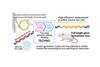
NewsNew TECHNO platform enables large-scale human gene integration in mice
Japanese researchers have developed a new gene-editing platform, TECHNO, that allows entire human genes – including regulatory regions – to be inserted into mice, allowing for better disease modelling and drug testing.
-
 News
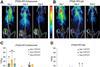
NewsClaudin 18.2-targeted therapy advances GI cancer treatment
A novel imaging-guided radiopharmaceutical targeting claudin 18.2 has shown that it can precisely detect and effectively treat gastric and pancreatic tumours, completely eradicating cancer in some preclinical models.
-
 Article
Rethinking drug discovery through transcription factor biology
Complex diseases rarely have single targets. By focusing on transcription factor activity and disease signatures, Scripta Therapeutics is taking a different approach to identifying the drivers of pathology.
-
 News
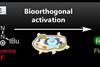
NewsNew fluorescent technology tracks drug responses in cells
Researchers have developed new innovative fluorescent labels that allow scientists to observe cellular processes with unprecedented clarity – offering a powerful tool for medicine, drug research and cell biology.
-
 News
NewsFunctional retinal organoids improve drug testing for eye disease
Researchers have developed vascularised human retinal organoids featuring the first fully functional light-signal pathways in lab-grown human retina models, opening new possibilities for studying eye disease and testing therapies.
-
 News
NewsRare sugars point to future therapies for alcohol dependence
Researchers have identified a biological pathway linking sugar and appetite for alcohol, suggesting that rare sugars could one day form the basis of new therapies and approaches for reducing alcohol consumption and treating dependence.
-
 News
NewsMagnetic stimulation advances heart organoids for future therapies
Researchers have shown that applying magnetic forces to lab-grown human heart organoids enhances their maturation and vascular development, offering a more realistic model of early heart formation and the possibility of future cardiac therapies.
-
 News
NewsOTULIN enzyme found to drive tau and brain ageing
Researchers have discovered that the enzyme OTULIN, known for regulating the immune system, also drives the formation of tau – a protein linked to Alzheimer’s and other neurodegenerative diseases.
-
 Article
Why tau still lacks treatments and how funders are responding
Tau drives PSP, CBD and other neurodegenerative diseases, yet there are still no disease-modifying treatments. Here, Dr Glenn Harris from the Rainwater Charitable Foundation shares how a coordinated funding effort is supporting basic research to understand tau mechanisms, improve detection and progress therapeutic development.
-
 News
NewsMaternal stress may alter foetal brain development via immune pathways
Stress during pregnancy may disrupt the maternal gut-immune system, altering foetal brain development and revealing sex-specific vulnerabilities linked to neurodevelopmental risk
-
 News
NewsNew study links prenatal DNA screening to better CMV treatment decisions
A new study suggests that a low-cost form of non-invasive prenatal screening could help clinicians identify pregnant women at highest risk of transmitting cytomegalovirus to their babies.
-
 News
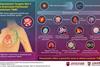
NewsPitavastatin identified as potential treatment for triple-negative breast cancer
A commonly prescribed cholesterol-lowering drug, called pitavastatin, could be used to treat patients with triple-negative breast cancer, after researchers found that it has the ability to block a key cancer survival protein.
-
 News
NewsControlling cellular noise may stop cancer and bacterial relapse
Scientists have developed a new mathematical ‘Noise Controller’ that can stabilise random cellular fluctuations, offering a potential breakthrough in preventing cancer recurrence and antibiotic resistance.
-
 News
NewsHow aggressive breast cancer evades the immune system
Researchers in China have discovered a previously unknown mechanism that allows aggressive breast cancers to avoid immune attack, while simultaneously exposing a weakness that could make these tumours especially responsive to existing immunotherapy treatments.
-
 News
NewsBrain ‘master switch’ discovery could lead to new neurodegenerative therapies
Scientists have captured, for the first time, dynamic changes in a crucial neuronal ‘master switch’ inside the living brain, potentially informing new future treatments for neurodegenerative diseases.
-
 News
NewsBlocking PAF receptor could offer new liver cirrhosis treatment
Spanish researchers have discovered a key inflammatory mechanism that could lead to new innovative treatments to reduce liver damage and improve vascular function in cirrhosis.