



All Disease Research articles – Page 7
-
 News
NewsOral arginine reduces harmful amyloid in Alzheimer’s models
A naturally occurring amino acid commonly found in supplements has reduced harmful amyloid build-up and eased symptoms in animal models of Alzheimer’s disease.
-
 News
NewsBlood stem cell and islet cell transplant combo reverses type 1 diabetes
Stanford researchers have cured Type 1 diabetes in mice using a combination of blood stem cell and pancreatic islet cell transplants.
-
 Article
Advancing disease biomarker research with EV multiplex profiling
Vanitha Margan, Global Product Manager for Bio-Plex Multiplex Immunoassays at Bio-Rad Laboratories, reveals how multiplexing is being used to realise the full potential of extracellular vesicles in disease monitoring.
-
 News
NewsPDX models: a new tool for colorectal cancer research
Patient-derived xenograft models are reshaping colorectal cancer research by preserving the complexity of real tumours, potentially helping scientists to develop new therapies in the future.
-
 News
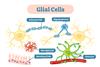
NewsBacterial traces discovered within gliomas and brain metastases
Scientists have discovered active bacterial traces inside brain tumours, overturning assumptions about the brain’s sterility and opening up new possibilities for understanding – and potentially treating – gliomas and brain metastases.
-
 Article
RVX-001: a universal vaccine to tackle antimicrobial resistance
Drug-resistant infections are on the rise, endangering global health. Neil Murray from ReNewVax explains how the company’s universal pneumococcal vaccine, RVX-001, could reduce antibiotic use and help curb antimicrobial resistance.
-
 Article
Resetting retinal networks with a gene-agnostic approach
What if treating blindness did not mean fixing a single faulty gene? Find out how modifier gene therapy is designed to protect vision by targeting broader retinal pathways.
-
 Article
Beyond weight loss: the gap in current drug development for obesity
Current obesity drug development remains overly focused on short-term weight reduction, despite obesity being a chronic, multifactorial disease. Broader, mechanism-driven approaches are needed to ensure durable efficacy, safety and accessibility.
-
 News
NewsAlzheimer’s may disrupt fat tissue and raise metabolic disease risk
Researchers have discovered that Alzheimer’s may disrupt communication between nerves and blood vessels in fat tissue which could explain why people with Alzheimer’s are often diagnosed with heart disease and metabolic problems.
-
 Article
IL-2 and GLP-1 receptor agonist combination tackles neuroinflammation
Can targeting both regulatory and inflammatory pathways change how we treat neurodegenerative disease? Coya Therapeutics is testing that idea with its IL-2 and GLP-1 receptor agonist combination.
-
 News
NewsBVRA enzyme may slow down Alzheimer’s progression
New research from Johns Hopkins Medicine reveals that the enzyme BVRA protects brain cells from oxidative stress, allowing for potential new methods for treating neurodegenerative diseases like Alzheimer’s.
-
 Article
Meet WRPRFa: the precision peptide changing how we study pain
A newly developed peptide, WRPRFa, is giving scientists a clearer view of how the acid-sensing ion channel (ASIC3) drives pain signalling.
-
 News
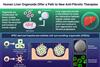
NewsLab-grown liver offers new platform to test fibrosis drugs
Japanese scientists have developed a lab-grown liver organoid that mimics human liver regeneration, offering a new platform to study fibrosis and test therapies.
-
 News
NewsNew blood test detects Alzheimer’s years before symptoms
Scientists have developed two rapid and affordable blood tests that can detect early markers of Alzheimer’s disease – potentially decades before symptoms appear.
-
 News
NewsAlzheimer’s brain structure investigated through fruit flies
Scientists have used fruit flies to study 100 genes linked to Alzheimer’s disease and how these genes affect brain structure, function and stress resilience. The research could help guide new treatments in the future.
-
 News
NewsTargeting fibroblasts could lead to new heart failure therapies
Long considered structural support cells, a new research study has discovered how fibroblasts actively worsen heart failure by disrupting heart muscle function, which could lead to new therapeutic strategies for heart failure.
-
 News
NewsOveractive neurons linked to schizophrenia-like behaviour
Scientists have identified an overactive brain cell type linked to schizophrenia-like symptoms in mice – a discovery that could lead to new, targeted treatments to prevent cognitive impairments.
-
 News
NewsSwallowable bioluminescent pill detects early signs of gut ischaemia
Scientists have developed an ingestible, light-emitting capsule that can detect life-threatening intestinal blood flow problems in their earliest stages. The device could offer doctors a faster and less invasive way to diagnose acute mesenteric ischaemia.
-
 News
NewsNew PET tracer could lead to better ALS and Alzheimer’s diagnosis
New preclinical data on ACI-19626, a first-in-class PET tracer for imaging TDP-43 pathology, shows potential to greatly improve early diagnosis and treatment of multiple neurodegenerative diseases.
-
 News
NewsHow AI and cell data combine to make drug discovery faster
Cellarity has published a new paper in detailing an AI-powered framework that integrates single-cell transcriptomics to make drug discovery faster and more successful.