


All Disease Research articles – Page 3
-
 Article
Making historical toxicology data work harder in safety assessment
Historical toxicology data is often underused. Find out how Virtual Control Groups and AI could help researchers strengthen safety assessment while making better use of existing data.
-
 News
New drug target identified to protect hearts in DMD patients
Researchers at the University of South Florida have identified NOX4 as a potential therapeutic target for DMD-related cardiomyopathy, with experimental drug Setanaxib demonstrating cardioprotective effects in preclinical models.
-
 News
New drug SB-0110 targets levodopa’s two biggest clinical limitations for Parkinson’s
A computational biology-derived compound has shown promise in preclinical models by simultaneously improving levodopa response and reducing dyskinesia — two of the most significant challenges in long-term Parkinson’s disease management.
-
 News
Vitronectin protein identified as key driver of lung scarring
Researchers from UTS and Monash University have identified vitronectin as a key protein driving abnormal lung scarring in idiopathic pulmonary fibrosis, opening a potential new avenue for therapeutic intervention in a disease with very few treatment options.
-
 News
Stem cell organoids repair heart microvessels in coronary artery disease models
Stanford University researchers have demonstrated that stem cell-derived vascular organoids can regenerate damaged microvessels in the heart, improving cardiac function in a porcine model of ischaemic heart disease and addressing a significant unmet need in coronary artery disease treatment.
-
 News
Synthetic organiser cells enhance kidney organoid reproducibility and accuracy
Scientists at the University of Southern California have engineered synthetic organiser cells that produce localised Wnt signals to guide kidney organoid development, yielding more reproducible, physiologically accurate structures and revealing a previously unrecognised developmental axis in the human kidney.
-
 News
15-PGDH enzyme inhibition protects brain cells in Parkinson’s disease models
Researchers have identified 15-PGDH enzyme inhibition as a neuroprotective strategy in Parkinson’s disease, with repurposable compounds already in clinical development offering a potential shortcut to disease-modifying therapies.
-
 News
bit.bio launches iPSC-derived cell culture media kits to democratise human cell research
Cambridge-based cell programming company bit.bio has introduced two new media kits for its iPSC-derived ioGlutamatergic Neurons and ioMicroglia, reducing media preparation costs by around 18-fold and simplifying workflows to widen access to human-relevant research models.
-
 News
METTL3 protein finds new mechanism driving breast cancer metastasis
Scientists at Umeå University have uncovered a previously unknown function for the RNA-modifying protein METTL3, revealing it plays a distinct role in enabling breast cancer cells to invade surrounding tissue and form metastases – findings that could open new avenues for therapeutic targeting.
-
 News
Accessible multiplex imaging workflow advances spatial liver disease research
A new multiplex immunofluorescence workflow using standard laboratory equipment and open-source software enables detailed spatial analysis of liver tissue, organoids and organ-on-a-chip models, lowering barriers to advanced spatial biology in hepatology research.
-
 News
Blocking cathepsin B protein enhances CAR T-cell therapy effectiveness
University of Maryland researchers have discovered that blocking cathepsin B protein prevents CAR T-cells from losing effectiveness, potentially improving long-term outcomes for blood cancer patients. The preclinical findings reveal that engineered immune cells inadvertently weaken themselves by acquiring tumour fragments, a process that can be prevented through targeted protein inhibition.
-
 News
Cerebral organoids identify Ebola virus persistence in neural tissue
Researchers have used human brain organoids to demonstrate that Ebola virus can replicate in neural tissue for up to 120 days, offering new insights into viral persistence mechanisms in immune-privileged sites and late-stage inflammatory complications in survivors.
-
 News
Thalidomide shows potential for treating rare brain vascular malformations
Researchers in China have reported encouraging preclinical and early clinical evidence that thalidomide may help stabilise and reduce rare vascular malformations affecting the brain and spinal cord, potentially offering the first medical treatment option for patients with central nervous system arteriovenous malformations who are unsuitable for invasive procedures.
-
 Article
Cerebral organoids reveal how Ebola virus persists in neural tissue
How does Ebola virus survive long after recovery? A new study using human cerebral organoids explores viral persistence in neural tissue and the growing role of organoid models in drug discovery research.
-
 News
New framework standardises glioma organoid research for translational studies
A collaborative review published in Neuro-Oncology establishes a unified classification system for glioma organoid models, addressing inconsistent terminology and methodology across the rapidly expanding field.
-
 News
New kidney water regulation mechanism could improve polycystic kidney disease treatment
Scientists at Mayo Clinic have discovered a previously unknown mechanism by which kidneys regulate water balance, offering new therapeutic possibilities for polycystic kidney disease patients experiencing severe side effects from current treatments.
-
 News
Copper drug Cu(ATSM) reduces Alzheimer’s proteins by 42 percent in preclinical study
A copper-delivering compound has demonstrated the ability to restore blood-brain barrier clearance mechanisms, reducing amyloid-beta accumulation by 42 percent and improving spatial learning by 44 percent in Alzheimer’s disease models, according to research published in ACS Chemical Neuroscience.
-
 Report
Context is everything: how spatial biology is changing our understanding of disease
Discover how spatial biology is revealing disease mechanisms with implications for biomarkers, immunotherapy and drug development.
-
 News
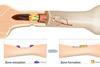
Notch2 enables breast cancer dormancy in protective bone marrow niches
New research has demonstrated how breast cancer cells exploit protective bone marrow niches to remain dormant for years, identifying Notch2 signalling and stem cell-like markers as key regulators of cellular dormancy that could inform therapeutic strategies to prevent relapse.
-
 News
Ferroptosis emerges as strategy against treatment-resistant digestive cancers
Researchers are investigating ferroptosis, an iron-dependent cell death pathway, as a potential approach to overcome treatment resistance in digestive cancers.