



Monash University researchers report that Cu(ATSM), a copper-based therapeutic, significantly enhanced P-glycoprotein clearance pump function at the blood-brain barrier, leading to large reductions in toxic amyloid-beta proteins and cognitive improvements in preclinical Alzheimer’s models.
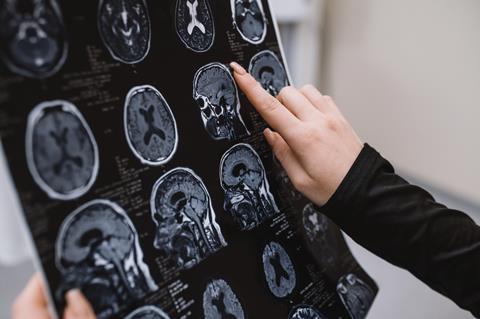
A copper-delivering drug has shown significant potential in reducing toxic proteins linked to Alzheimer’s disease and improving memory, according to new research from Monash University.
The study found that the compound Cu(ATSM) repaired a key waste-clearing mechanism in the brain, leading to a substantial reduction in harmful amyloid-beta proteins and measurable improvements in cognitive performance in laboratory models.
Researchers say the findings could open a new avenue for treating Alzheimer’s by targeting neurovascular dysfunction, a process increasingly recognised as a major contributor to the disease.
Repairing the brain’s waste disposal system
Alzheimer’s disease is caused by a build-up of amyloid-beta proteins in the brain. Under normal circumstances, these proteins are removed through the blood-brain barrier and transported into the bloodstream.
However, in people with Alzheimer’s, the transport system responsible for clearing the proteins becomes impaired. Central to this process are clearance pumps known as P-glycoprotein (P-gp), which gradually lose effectiveness, allowing toxic proteins to build up within the brain.
In people with Alzheimer’s, the transport system responsible for clearing the proteins becomes impaired
The research team investigated whether Cu(ATSM), a compound designed to deliver copper to the brain, could restore the function of these pumps and improve the brain’s ability to remove harmful waste.
“This is the first study to show that Cu(ATSM) can increase the abundance of P-gp clearance pumps in an Alzheimer’s model, by 24.1 percent, effectively linking the repair of the blood-brain barrier to a reduction in toxic proteins and improved cognitive function,” said lead author Dr Jae Pyun, from the Drug Delivery, Disposition and Dynamics theme at the Monash Institute of Pharmaceutical Sciences (MIPS). “By improving the pumps, the brain can finally clear out the trapped waste. Over 56 days, the treatment reduced toxic amyloid-beta by 42 percent and improved spatial learning by nearly 44 percent.”
Potential for rapid clinical development
The researchers believe the compound could progress relatively quickly towards human clinical trials because it has already been through safety testing in other neurological conditions.
Senior author Professor Joseph Nicolazzo, Director of the Centre for Drug Candidate Optimisation at MIPS, said Cu(ATSM) had already shown promise beyond Alzheimer’s disease.
“Cu(ATSM) is a copper compound with anti-inflammatory and neuroprotective properties that has already progressed to clinical testing for conditions like Parkinson’s and ALS. Because reducing amyloid burden is clinically proven to improve functional outcomes, these preclinical results strongly support the rationale for testing this drug in early symptomatic Alzheimer’s disease.”
Understanding how the treatment works
While the study demonstrated a significant reduction in amyloid-beta levels, researchers are continuing to investigate the precise biological pathways involved in removing the proteins from the brain.
In addition to restoring blood-brain barrier function, the team believes the copper treatment may enhance the activity of microglia, the brain’s immune cells, enabling them to consume and break down toxic plaques more effectively.
While the study demonstrated a significant reduction in amyloid-beta levels, researchers are continuing to investigate the precise biological pathways involved in removing the proteins from the brain.
The findings provide a strong platform for further exploration of biometal-based therapies such as Cu(ATSM) as potential treatments for Alzheimer’s disease, with future research to focus on tracking exactly how amyloid-beta proteins leave the brain and enter the bloodstream.






No comments yet