



All Disease Research articles – Page 4
-
 News
NewsNew immune mapping reveals lung tumour microenvironment dynamics
VIB-VUB researchers have developed a patient-relevant lung adenocarcinoma model combined with SEPARATE-Seq technology to create detailed immune maps distinguishing tissue-infiltrating cells from circulating populations.
-
 Article
Why lower organisms matter for neurodegeneration drug discovery
In the wake of recent government policy aimed at actively replacing animal models in drug discovery, we consider a possible solution to the translational shortfalls of current cellular methodologies for neurodegenerative disease.
-
 News
News10x Genomics launches Atera whole-transcriptome spatial biology platform
The new platform enables researchers to analyse gene expression and cellular organisation within intact tissue at single-cell resolution, supporting large-scale studies across fresh-frozen and FFPE samples. Early adopters include leading research institutions and global service providers, with cloud-based analysis tools and direct sample processing services now available.
-
 News
NewsOsteoporosis drugs may slow progression of aortic aneurysms
Researchers at Nagoya University have identified clonal haematopoiesis as a driver of aortic aneurysm progression and demonstrated that FDA-approved osteoporosis therapies targeting the RANK/RANKL pathway can significantly slow disease progression in preclinical models.
-
 News
NewsChampions Oncology to present eight studies at AACR 2026
Champions Oncology will present eight studies at AACR 2026 spanning KRAS-mutant tumours, ovarian cancer, glioblastoma and emerging therapies including radiopharmaceuticals and CAR-T, using patient-derived models to improve early-stage decision-making in oncology drug development.
-
 News
NewsLactylation emerges as key driver of lung cancer resistance
New research from Shanghai Pulmonary Hospital outlines how lactate-driven lactylation acts as a metabolic switch controlling epigenetic regulation in lung cancer. The findings reveal self-reinforcing feedback loops that sustain drug resistance and suggest novel therapeutic strategies targeting the enzymes and pathways that maintain this process.
-
 News
NewsFGF21 hormone targets hindbrain pathways to reverse obesity
New research reveals that FGF21, a hormone under investigation for obesity and metabolic dysfunction-associated steatohepatitis (MASH), works by signalling to the hindbrain rather than the hypothalamus. The discovery of this distinct neural circuit—which increases metabolic rate rather than simply suppressing appetite—could enable development of more precise therapies with fewer adverse effects than current FGF21 analogues.
-
 News
NewsCOPD drug roflumilast may help fight breast cancer lung metastasis
University of Colorado Anschutz Cancer Center scientists have uncovered how metastatic breast cancer cells exploit pulmonary repair pathways to establish tumours in the lungs.
-
 News
NewsBlocking protein pathway may slow Huntington’s disease
Researchers have identified a previously unknown cellular mechanism involving tunnelling nanotubes and the protein SLC4A7 that enables toxic huntingtin to spread directly between neurons, offering new therapeutic targets for Huntington’s disease.
-
 News
NewsNew precision GLP-1 agonist could reduce side effects in patients
Researchers have developed a novel GLP-1 receptor agonist that preserves blood sugar control while reducing nausea and vomiting, offering a potential safer approach to treating diabetes and obesity.
-
 News
NewsARK1 identified as target for future malaria drugs
Scientists have identified Aurora-related kinase 1 (ARK1) as a vital protein in malaria parasite development, a breakthrough that could enable future drugs designed to block transmission.
-
 News
NewsAMD3100 drug could boost immunotherapy in rare liver cancer
A rare liver cancer that primarily affects young people may soon have a new treatment option, after researchers found that an existing FDA-approved drug could enable immunotherapy to work effectively against tumours.
-
 News
NewsNew SerpinB2 immune cell discovery could reverse type 2 diabetes
Researchers at the University of Pittsburgh School of Medicine have developed a new approach for tackling insulin resistance and type 2 diabetes by protecting beneficial immune cells in fat tissue.
-
 News
NewsWhy ageing must become central to Parkinson’s research
An international team of scientists is urging researchers to put ageing at the centre of Parkinson’s studies, arguing that it has been overlooked for too long.
-
 News
NewsLaunaea herb could provide new treatments for peptic ulcers
A herb called Launaea nudicaulis could be used to treat peptic ulcers, with early research suggesting both gastroprotective benefits and potential applications in natural product drug discovery.
-
 News
NewsNew SHANK3 conditional knockout mouse model launched for PMS research
A new SHANK3 conditional knockout mouse model from InnoSer, CureSHANK and Ozgene has been launched to advance research into Phelan-McDermid syndrome, other neurodevelopmental disorders and the development of new therapies.
-
 News
NewsHDAC11 protein identified as potential target for Duchenne muscular dystrophy
A new preclinical study has shown that reducing the protein HDAC11 could slow muscle degeneration in Duchenne muscular dystrophy, providing a potential target for future therapies.
-
 News
NewsCC023 mice reveal how ALS can develop after viral infections
Researchers have discovered a mouse strain that mirrors ALS in humans following a viral infection, offering new insights into how the disease develops, potentially opening new pathways for early diagnosis and drug development.
-
 News
NewsMini-stomach organoids grown to improve disease research
Scientists have grown the first multi-regional “mini-stomach” in the lab, creating a new way to study rare genetic stomach diseases and help to develop new treatments for digestive conditions.
-
 News
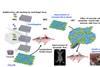
NewsCentrifuge technique creates functional bioengineered lymph nodes
Using a straightforward cell stacking method, researchers have regenerated functional lymph nodes, offering a potential long-lasting therapy for secondary lymphedema and creating new opportunities for immunology and oncology drug discovery.