



All Disease Research articles – Page 2
-
 News
NewsBMP3 protein identified as therapeutic target for pulmonary arterial hypertension
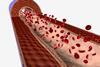
Scientists at the Fralin Biomedical Research Institute have identified bone morphogenetic protein 3 as a protective factor in lung blood vessels, with preclinical data showing that restoring its levels can reverse hallmark features of pulmonary arterial hypertension.
-
 News
NewsBlood test for protein misfolding identifies Alzheimer’s risk years before symptoms
A blood-based biomarker measuring amyloid beta protein misfolding has demonstrated superior predictive accuracy for pre-symptomatic Alzheimer’s disease compared with p-tau 217, achieving an AUC of 0.87 when combined with genetic and demographic data.
-
 News
NewsLandmark fibromyalgia study highlights neurological targets for new therapies
A landmark genome-wide study of more than 2.5 million adults has identified 26 genomic regions linked to fibromyalgia, confirming a neurological basis for the condition and opening new avenues for targeted drug discovery.
-
 Webinar
Oligonucleotide therapeutics safety considerations across drug development
As oligonucleotide therapeutics continue to advance, their safety assessment presents challenges that differ from traditional drug modalities. Discover how nonclinical safety studies, evolving regulatory expectations and real-world case examples can help you navigate these challenges with greater confidence.
-
 News
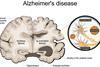
News3D genome reorganisation identified as Alzheimer’s disease molecular hallmark
An international study combining single-cell genomics, spatial transcriptomics and artificial intelligence has identified large-scale changes in three-dimensional genome organisation in Alzheimer’s-affected brain cells, establishing chromatin architecture as a previously overlooked component of the disease’s molecular pathology and a potential framework for future therapeutic targeting.
-
 Article
Making historical toxicology data work harder in safety assessment
Historical toxicology data is often underused. Find out how Virtual Control Groups and AI could help researchers strengthen safety assessment while making better use of existing data.
-
 News
NewsNew drug target identified to protect hearts in DMD patients
Researchers at the University of South Florida have identified NOX4 as a potential therapeutic target for DMD-related cardiomyopathy, with experimental drug Setanaxib demonstrating cardioprotective effects in preclinical models.
-
 News
NewsNew drug SB-0110 targets levodopa’s two biggest clinical limitations for Parkinson’s
A computational biology-derived compound has shown promise in preclinical models by simultaneously improving levodopa response and reducing dyskinesia — two of the most significant challenges in long-term Parkinson’s disease management.
-
 News
NewsVitronectin protein identified as key driver of lung scarring
Researchers from UTS and Monash University have identified vitronectin as a key protein driving abnormal lung scarring in idiopathic pulmonary fibrosis, opening a potential new avenue for therapeutic intervention in a disease with very few treatment options.
-
 News
NewsStem cell organoids repair heart microvessels in coronary artery disease models
Stanford University researchers have demonstrated that stem cell-derived vascular organoids can regenerate damaged microvessels in the heart, improving cardiac function in a porcine model of ischaemic heart disease and addressing a significant unmet need in coronary artery disease treatment.
-
 News
NewsSynthetic organiser cells enhance kidney organoid reproducibility and accuracy
Scientists at the University of Southern California have engineered synthetic organiser cells that produce localised Wnt signals to guide kidney organoid development, yielding more reproducible, physiologically accurate structures and revealing a previously unrecognised developmental axis in the human kidney.
-
 News
News15-PGDH enzyme inhibition protects brain cells in Parkinson’s disease models
Researchers have identified 15-PGDH enzyme inhibition as a neuroprotective strategy in Parkinson’s disease, with repurposable compounds already in clinical development offering a potential shortcut to disease-modifying therapies.
-
 News
Newsbit.bio launches iPSC-derived cell culture media kits to democratise human cell research
Cambridge-based cell programming company bit.bio has introduced two new media kits for its iPSC-derived ioGlutamatergic Neurons and ioMicroglia, reducing media preparation costs by around 18-fold and simplifying workflows to widen access to human-relevant research models.
-
 News
NewsMETTL3 protein finds new mechanism driving breast cancer metastasis
Scientists at Umeå University have uncovered a previously unknown function for the RNA-modifying protein METTL3, revealing it plays a distinct role in enabling breast cancer cells to invade surrounding tissue and form metastases – findings that could open new avenues for therapeutic targeting.
-
 News
NewsAccessible multiplex imaging workflow advances spatial liver disease research
A new multiplex immunofluorescence workflow using standard laboratory equipment and open-source software enables detailed spatial analysis of liver tissue, organoids and organ-on-a-chip models, lowering barriers to advanced spatial biology in hepatology research.
-
 News
NewsBlocking cathepsin B protein enhances CAR T-cell therapy effectiveness
University of Maryland researchers have discovered that blocking cathepsin B protein prevents CAR T-cells from losing effectiveness, potentially improving long-term outcomes for blood cancer patients. The preclinical findings reveal that engineered immune cells inadvertently weaken themselves by acquiring tumour fragments, a process that can be prevented through targeted protein inhibition.
-
 News
NewsCerebral organoids identify Ebola virus persistence in neural tissue
Researchers have used human brain organoids to demonstrate that Ebola virus can replicate in neural tissue for up to 120 days, offering new insights into viral persistence mechanisms in immune-privileged sites and late-stage inflammatory complications in survivors.
-
 News
NewsThalidomide shows potential for treating rare brain vascular malformations
Researchers in China have reported encouraging preclinical and early clinical evidence that thalidomide may help stabilise and reduce rare vascular malformations affecting the brain and spinal cord, potentially offering the first medical treatment option for patients with central nervous system arteriovenous malformations who are unsuitable for invasive procedures.
-
 Article
Cerebral organoids reveal how Ebola virus persists in neural tissue
How does Ebola virus survive long after recovery? A new study using human cerebral organoids explores viral persistence in neural tissue and the growing role of organoid models in drug discovery research.
-
 News
NewsNew framework standardises glioma organoid research for translational studies
A collaborative review published in Neuro-Oncology establishes a unified classification system for glioma organoid models, addressing inconsistent terminology and methodology across the rapidly expanding field.