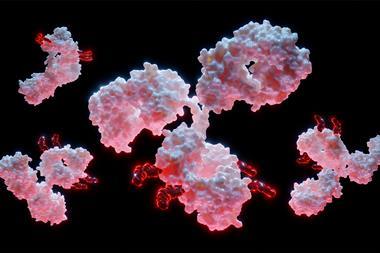
Scientists have identified Aurora-related kinase 1 (ARK1) as a vital protein in malaria parasite development, a breakthrough that could enable future drugs designed to block transmission.
An international team of researchers has discovered a central weakness in the malaria parasite, identifying a unique protein essential for its survival and transmission. The breakthrough offers a promising new target for the development of next-generation antimalarial drugs.
The discovery centres on a molecule known as Aurora-related kinase 1 (ARK1). In a the study, scientists from the University of Nottingham, the National Institute of Immunology, the University of Groningen, the Francis Crick Institute and international collaborators discovered that ARK1 acts as a ‘traffic controller’ during the parasite’s unusual process of cell division and growth.
A deadly parasite
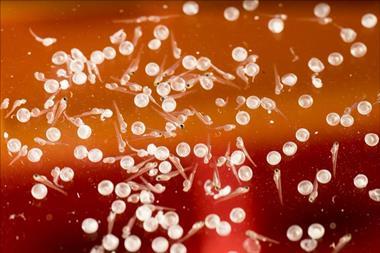
Malaria is one of the world’s deadliest infectious diseases. It is caused by Plasmodium parasites, which replicate rapidly in both humans and mosquitoes. Despite decades of research, the disease continues to pose a major global health challenge, particularly in tropical and subtropical regions.
Understanding how the parasite divides and multiplies inside its two hosts is vital to interrupting its life cycle and stopping transmission. Unlike human cells, which divide in a tightly regulated and predictable manner, the malaria parasite follows an atypical and highly specialised process.
The role of ARK1
The research team discovered that ARK1 plays a central role in organising the parasite’s ‘spindle’ – the molecular machinery responsible for pulling genetic material apart so that new parasites can form. Without a functional spindle, accurate cell division cannot happen.
When scientists switched off ARK1 in laboratory experiments, the parasite failed to form proper spindles, stopping replication.
When scientists switched off ARK1 in laboratory experiments, the parasite failed to form proper spindles, stopping replication. The parasites lacking ARK1 were then unable to complete their development in either the human host or the mosquito, effectively blocking onward transmission of the disease.
“The name 'Aurora' refers to the Roman goddess of dawn, and we believe this protein truly heralds a new beginning in our understanding of malaria cell biology," said Dr Ryuji Yanase, first author of the study from the School of Life Sciences at the University of Nottingham.
A team effort across continents
The scale of the project reflects the complexity of the parasite’s biology. Researchers examined ARK1’s function across both stages of infection, in humans and in mosquitoes, allowing them to build a comprehensive picture of its importance.
"Plasmodium divides via distinct processes in the human and mosquito host, it was well and truly a team effort, which allowed us to appreciate the role of ARK1 almost simultaneously in the two hosts and shed light on novel aspects of parasite biology," said Annu Nagar and Dr Pushkar Sharma from the Biotechnology Research and Innovation Council (BRIC)-NII, New Delhi.
A blueprint for new treatments
One of the most significant aspects of the discovery is how different the parasite’s version of the Aurora complex is from that found in human cells. This distinction could allow scientists to design highly targeted drugs.
What makes this discovery so exciting is that the malaria parasite's 'Aurora' complex is very different from the version found in human cells.
"What makes this discovery so exciting is that the malaria parasite's 'Aurora' complex is very different from the version found in human cells. This divergence is a huge advantage,” said Professor Rita Tewari from the School of Life Sciences at the University of Nottingham. “It means we can potentially design drugs that target the parasite's ARK1 specifically, turning the lights out on malaria without harming the patient."
By mapping this unconventional molecular machinery, the study provides what researchers describe as a ‘blueprint’ for future drug discovery efforts aimed at breaking the cycle of malaria transmission.